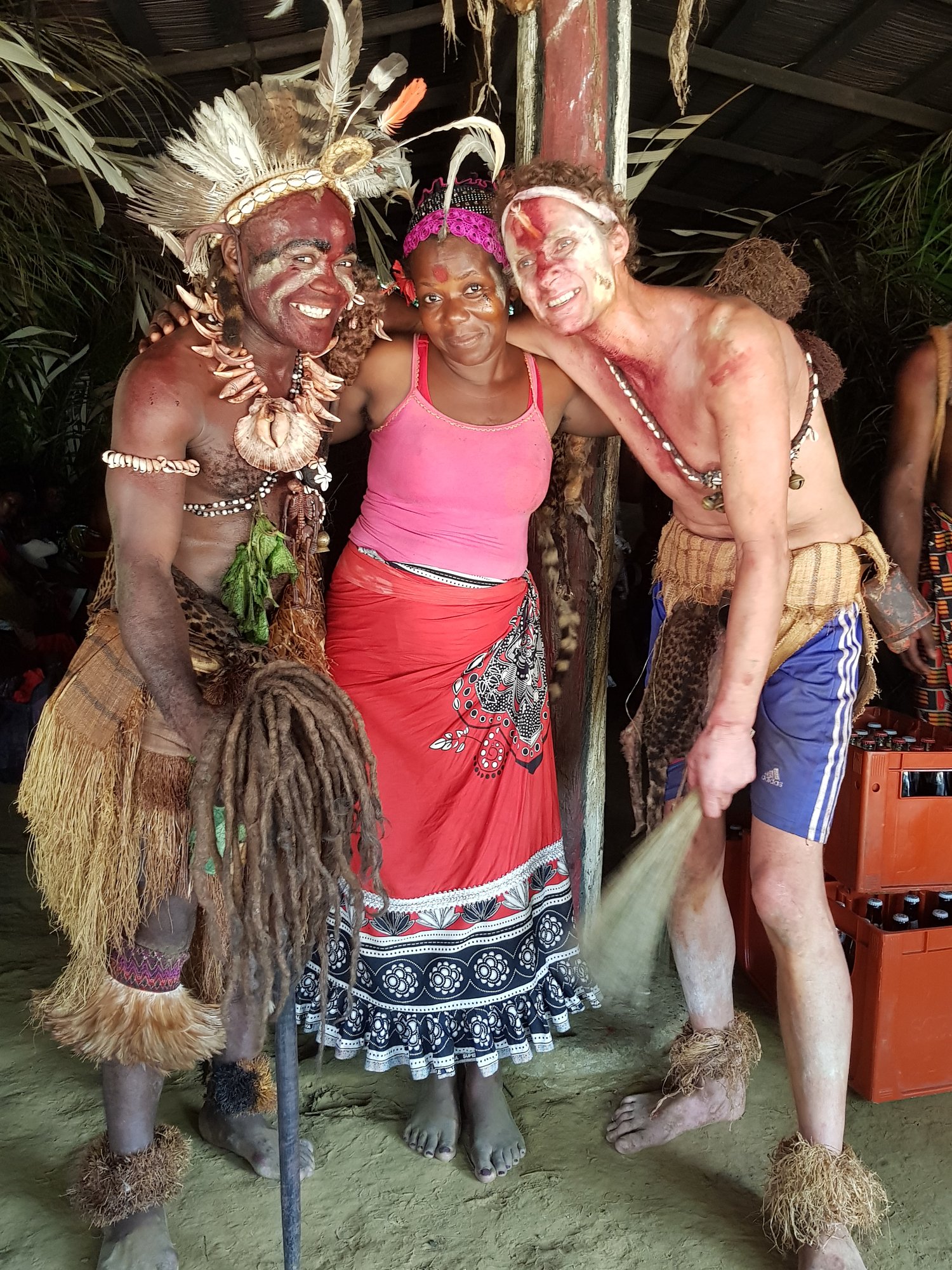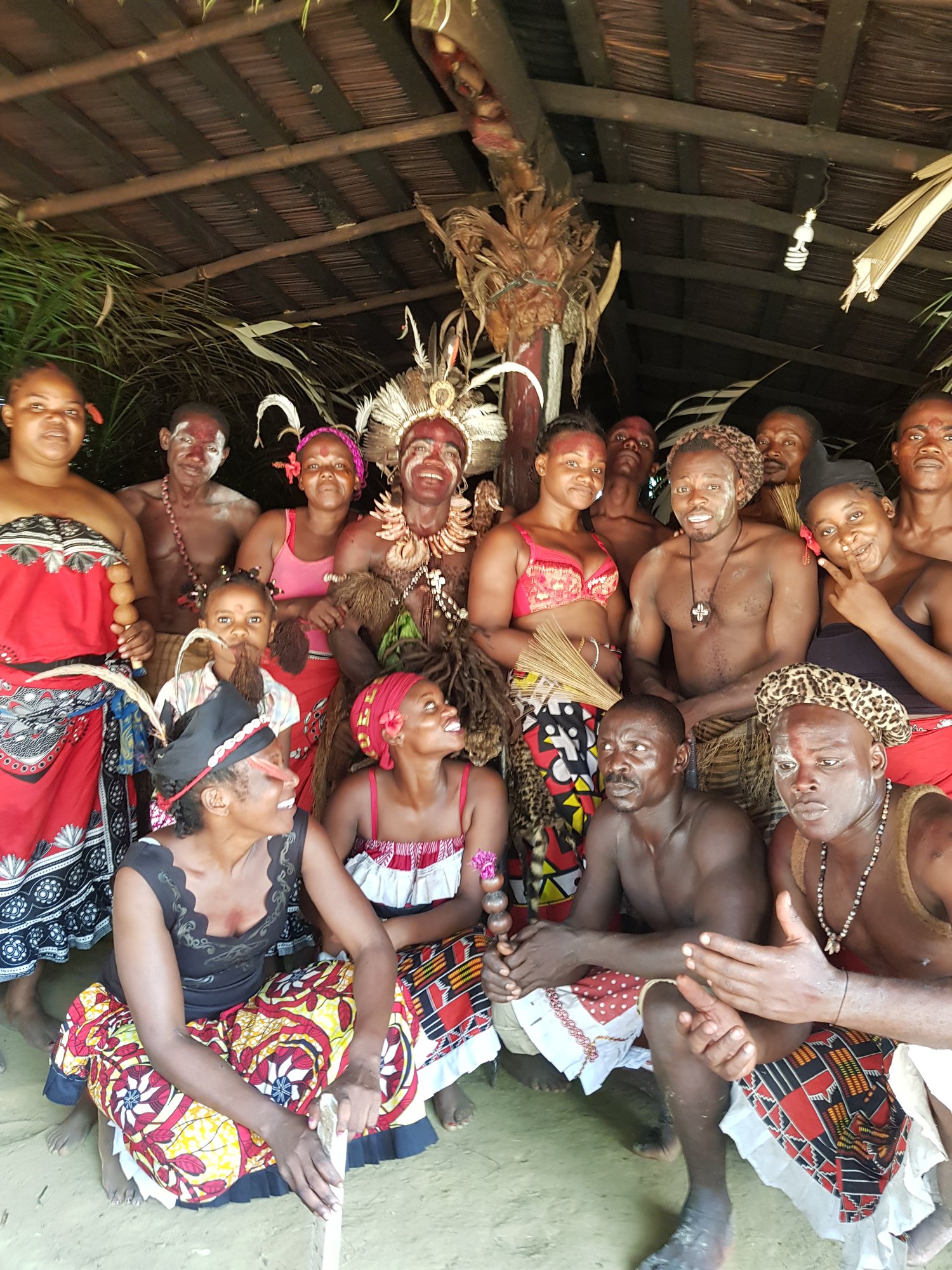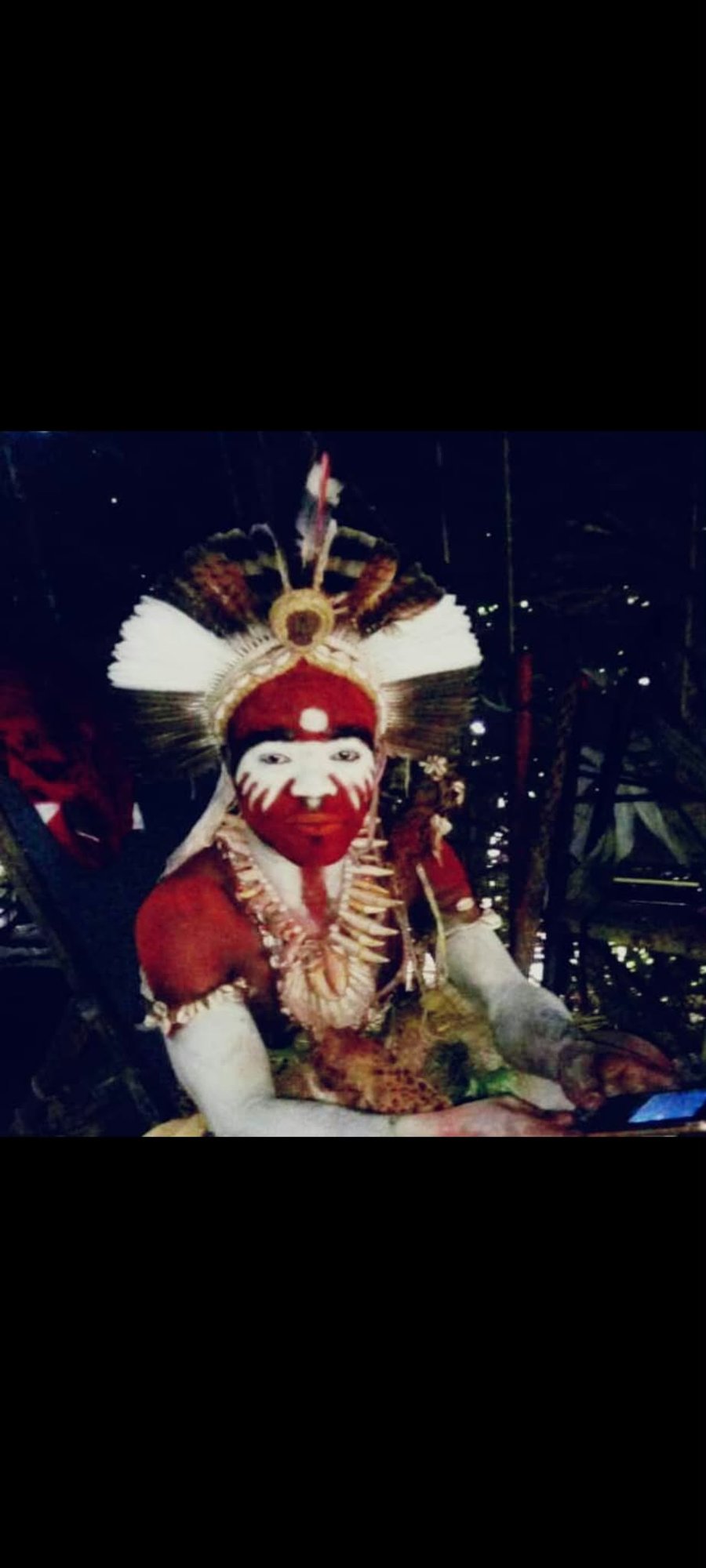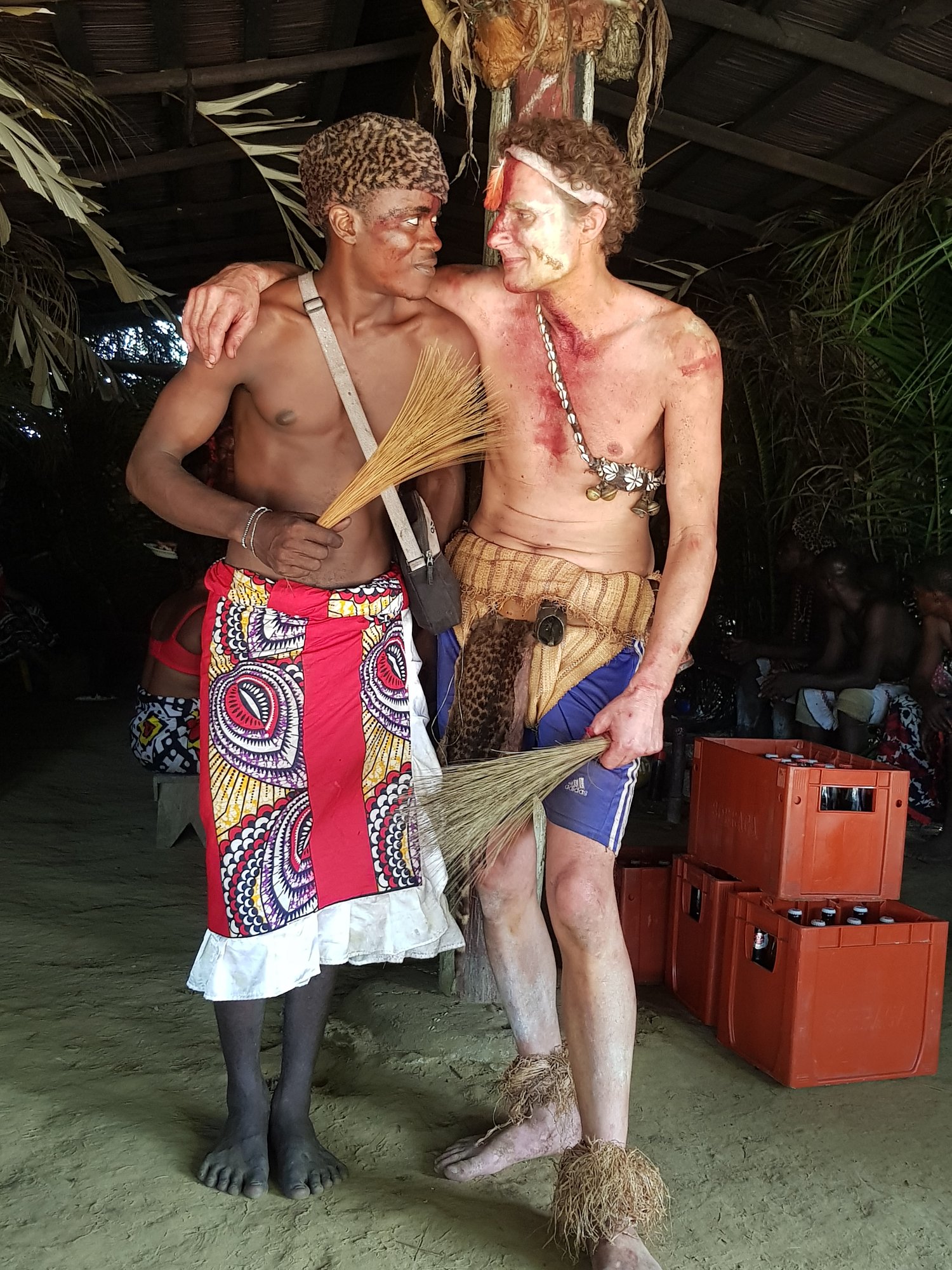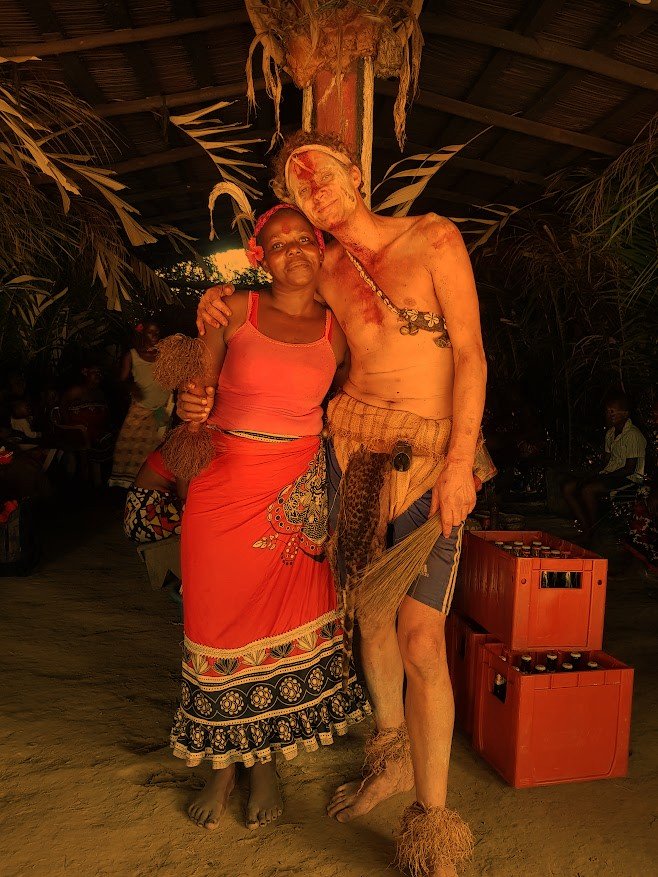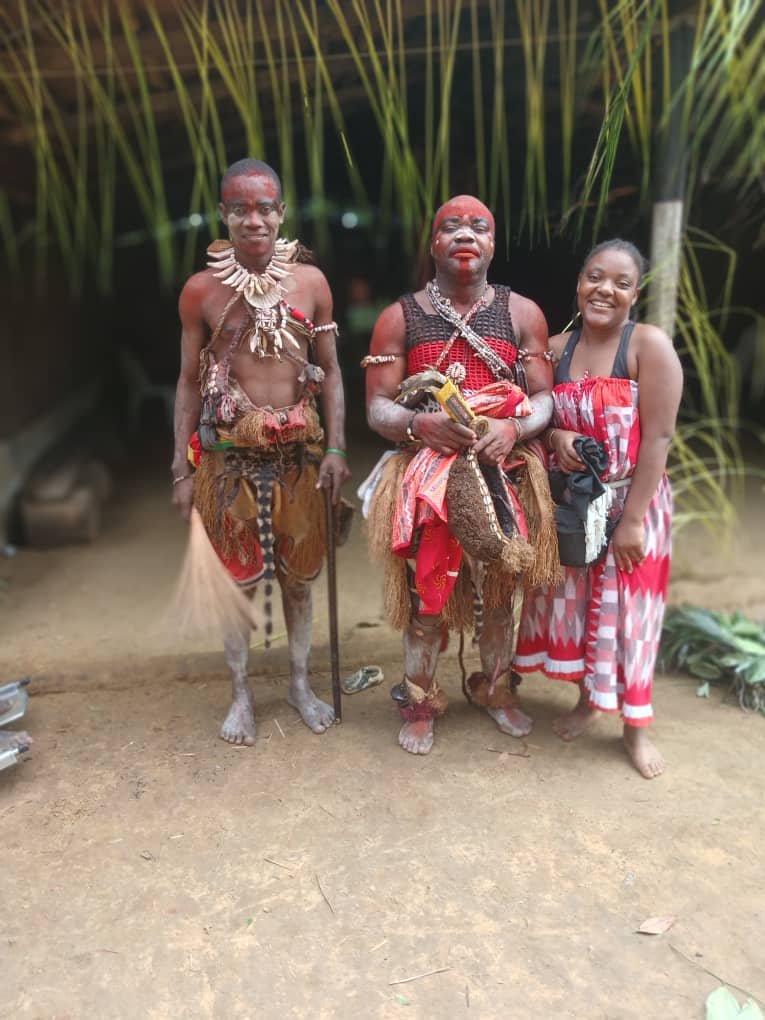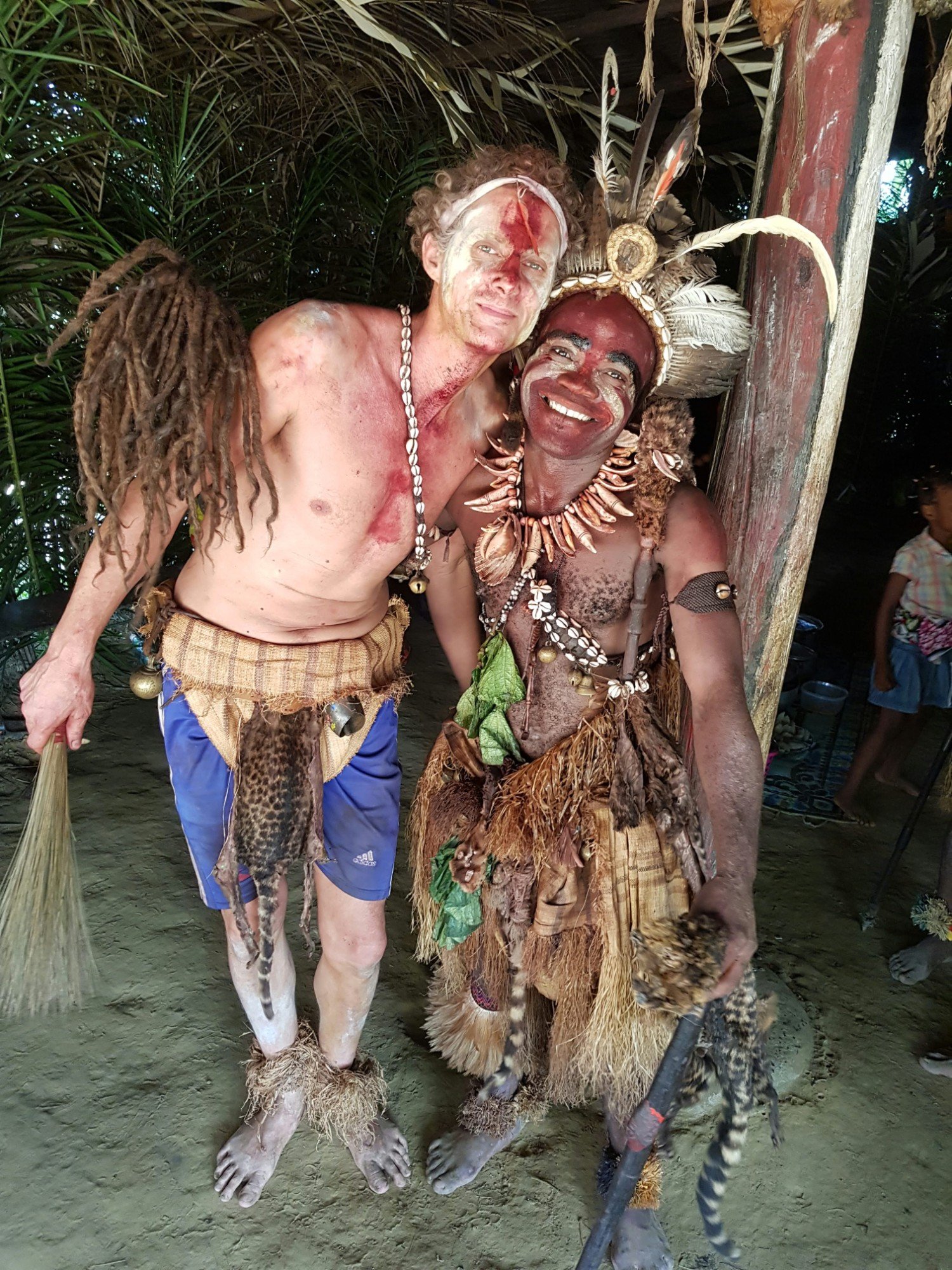
The village of Tsango
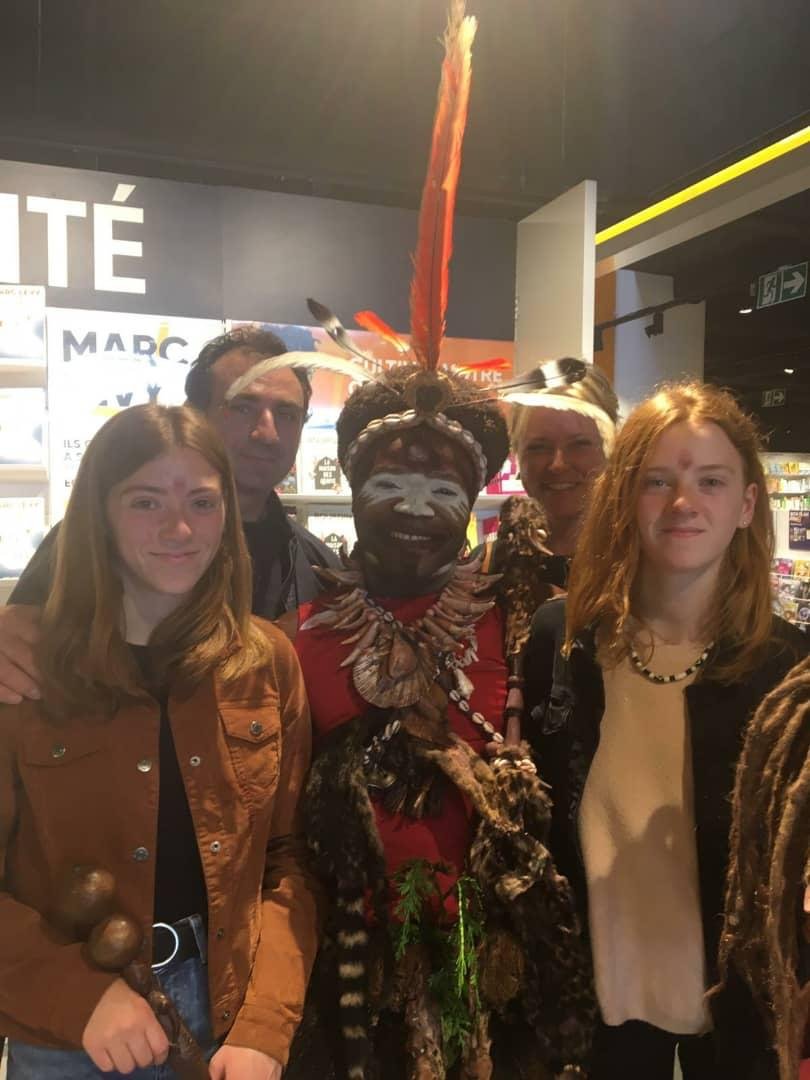
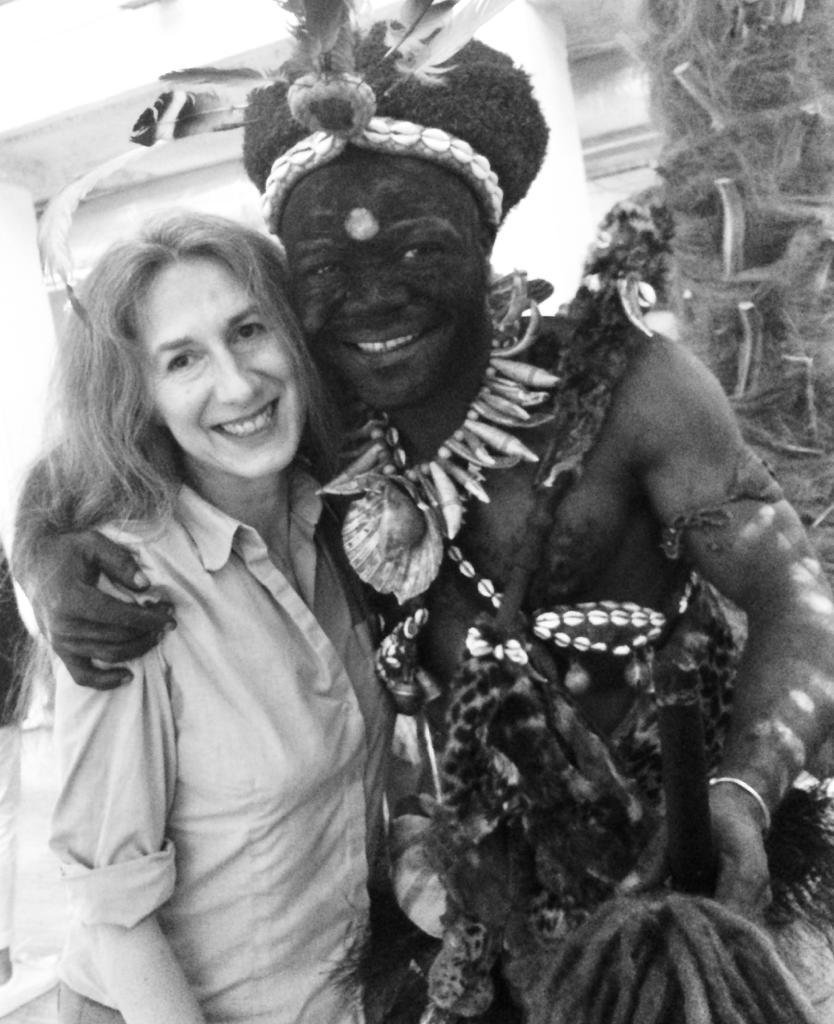
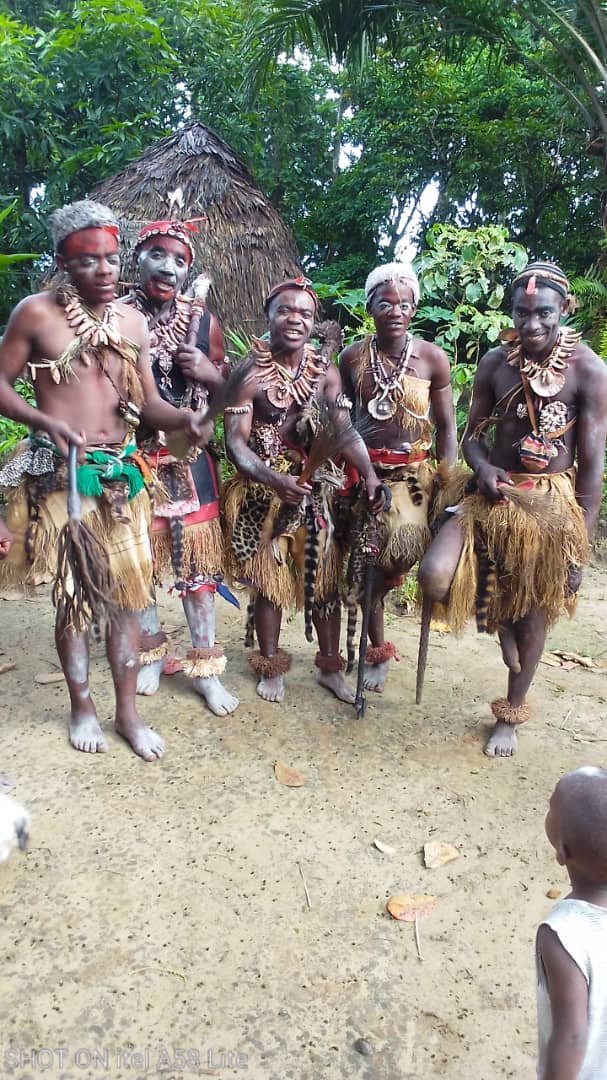
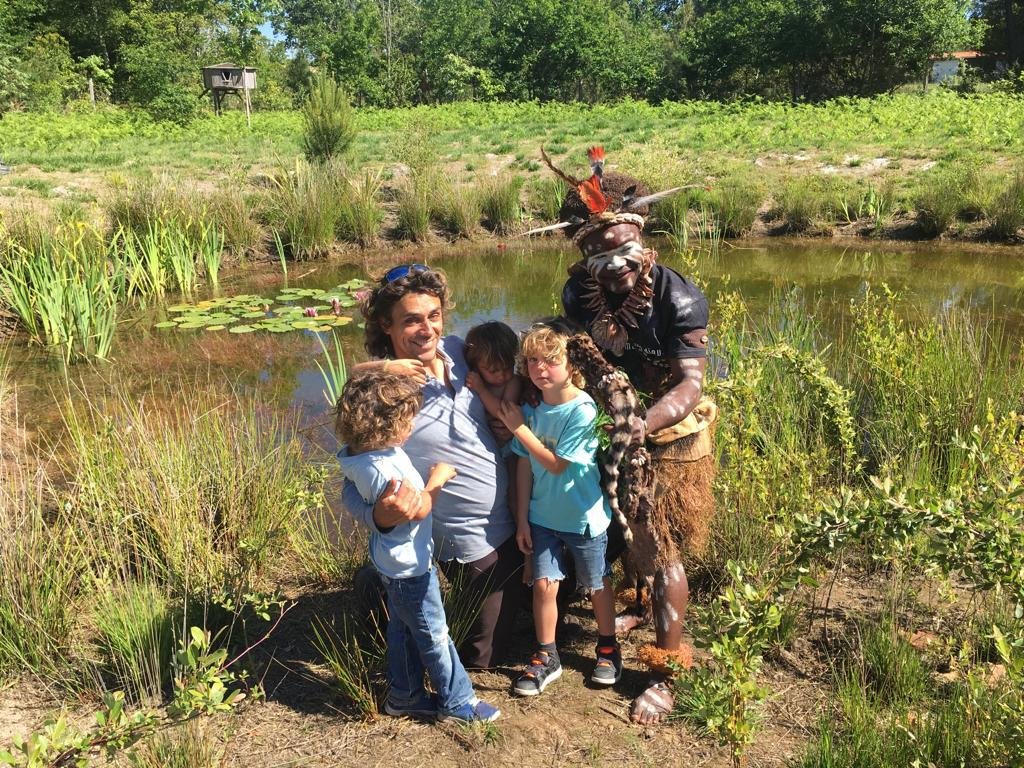
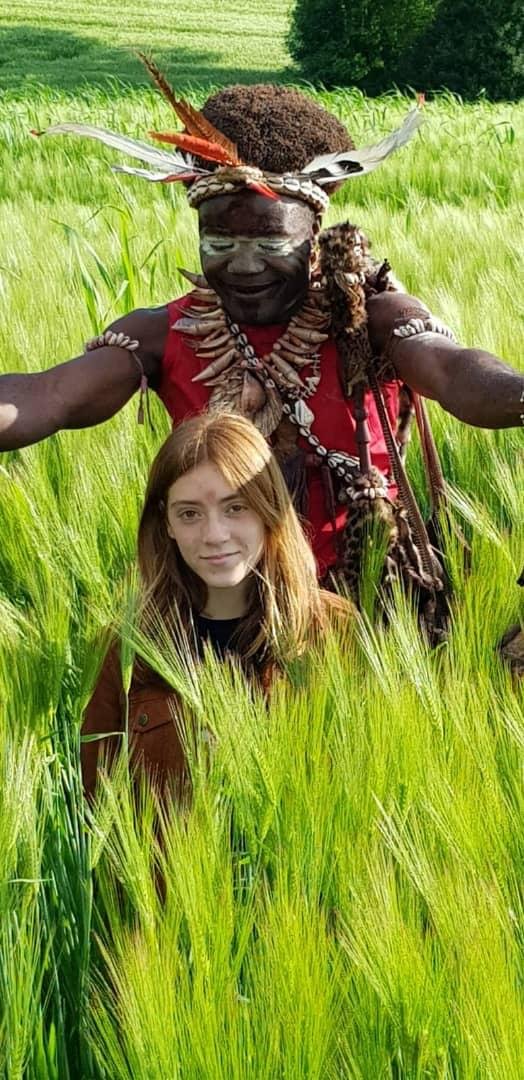
You are about to discover the village of Master Assossa.
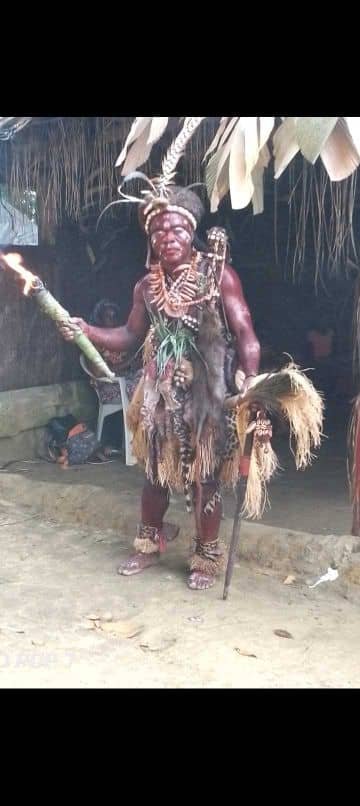
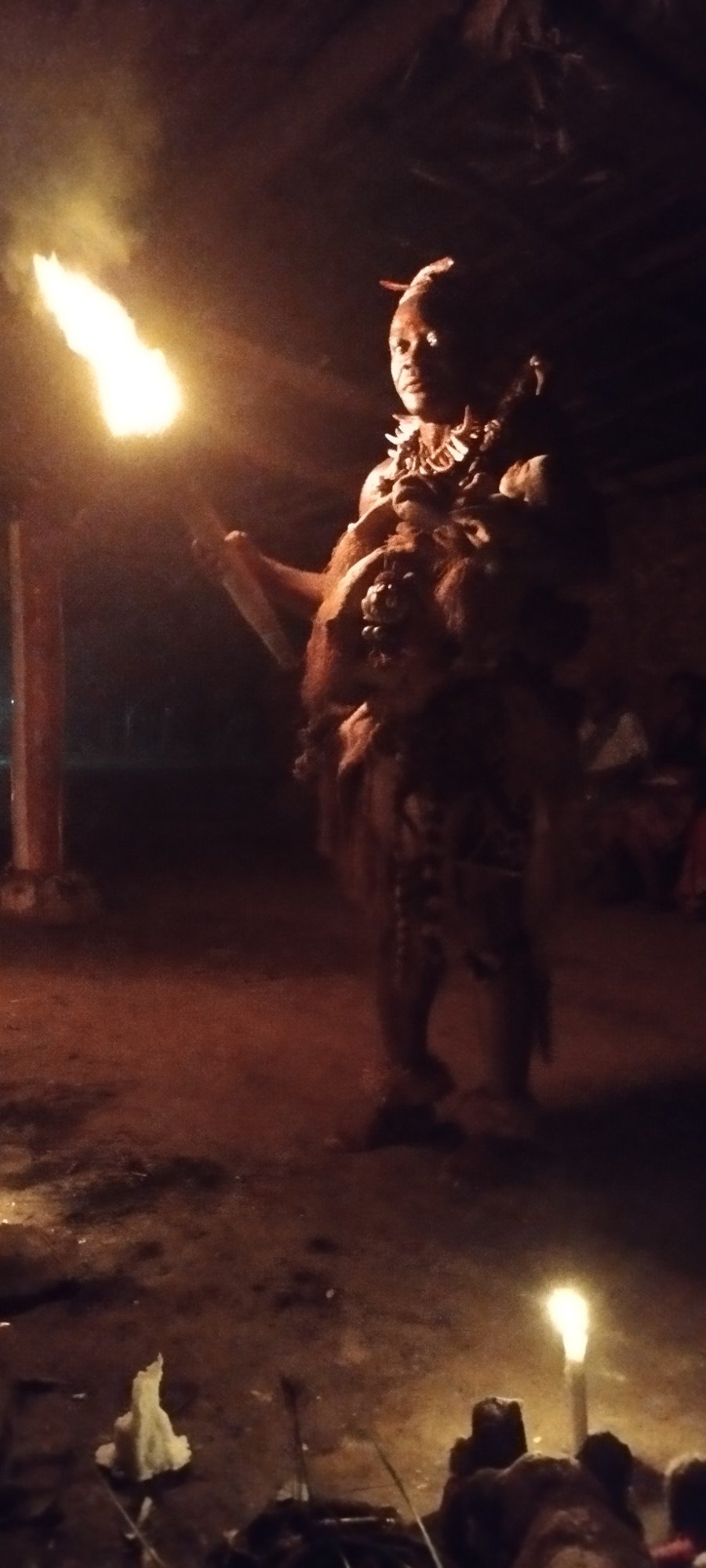
Assossa mé katsié mikoyimi: he is the uncle of the entities, or the ancestor of the entities and spirits.
Another interpretation exists:
Assossa mé kòssi niama midako: the elder of the animals with an easy gait, the one who boasts, like the beast that walks calmly with its velvet paws.
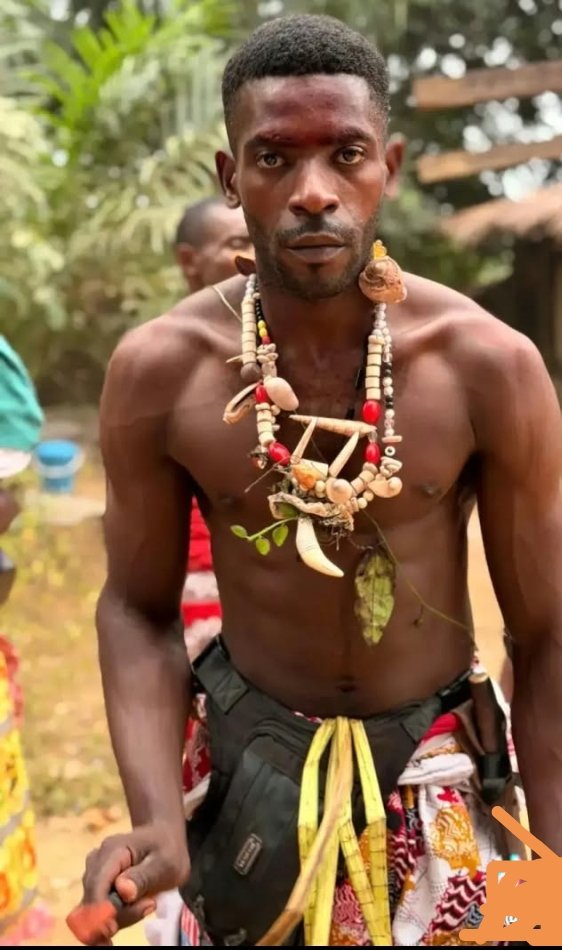
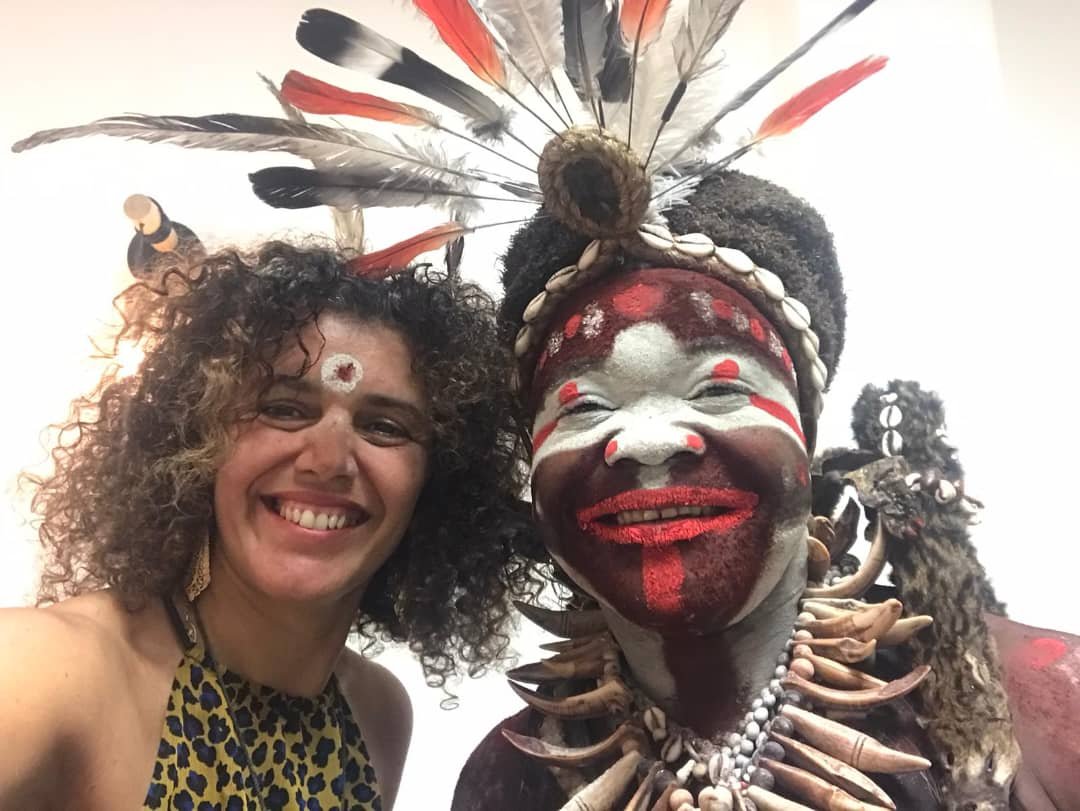
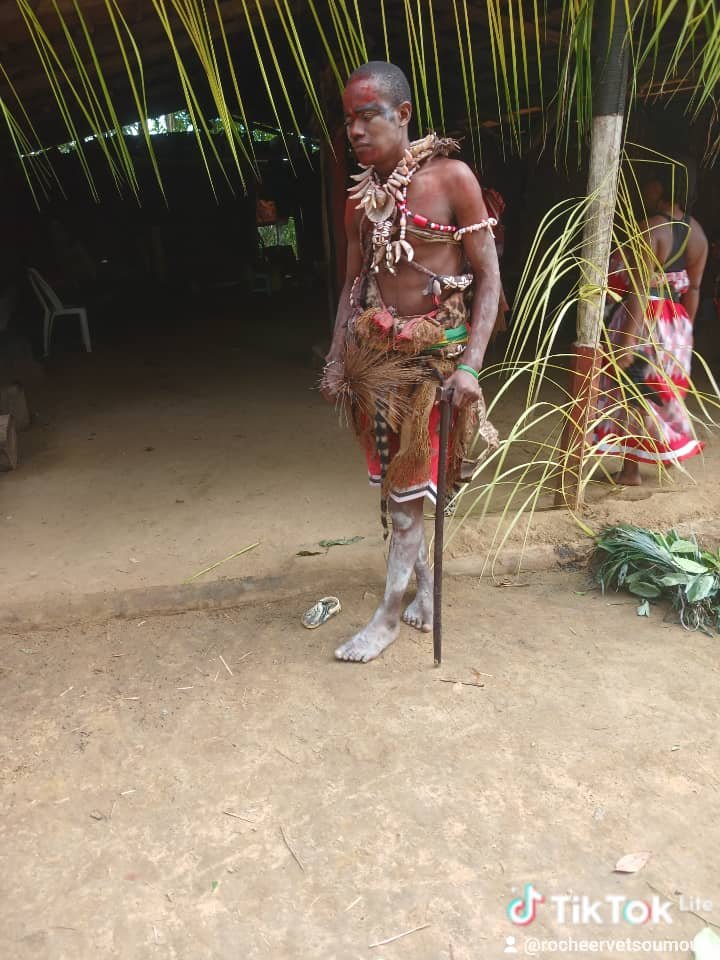
Assossa, born Hervé Soumouna Ngoto.
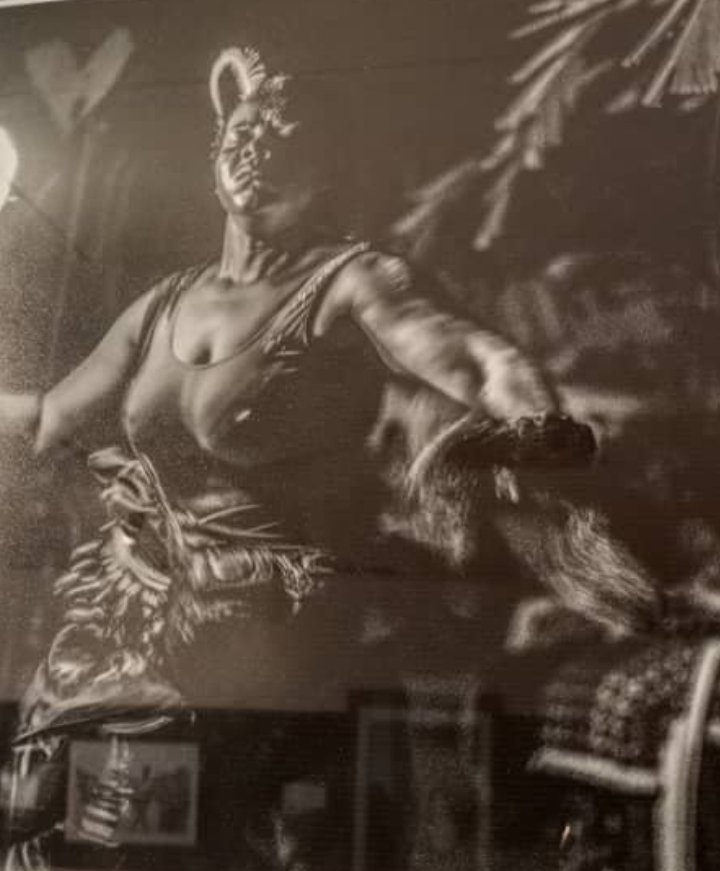
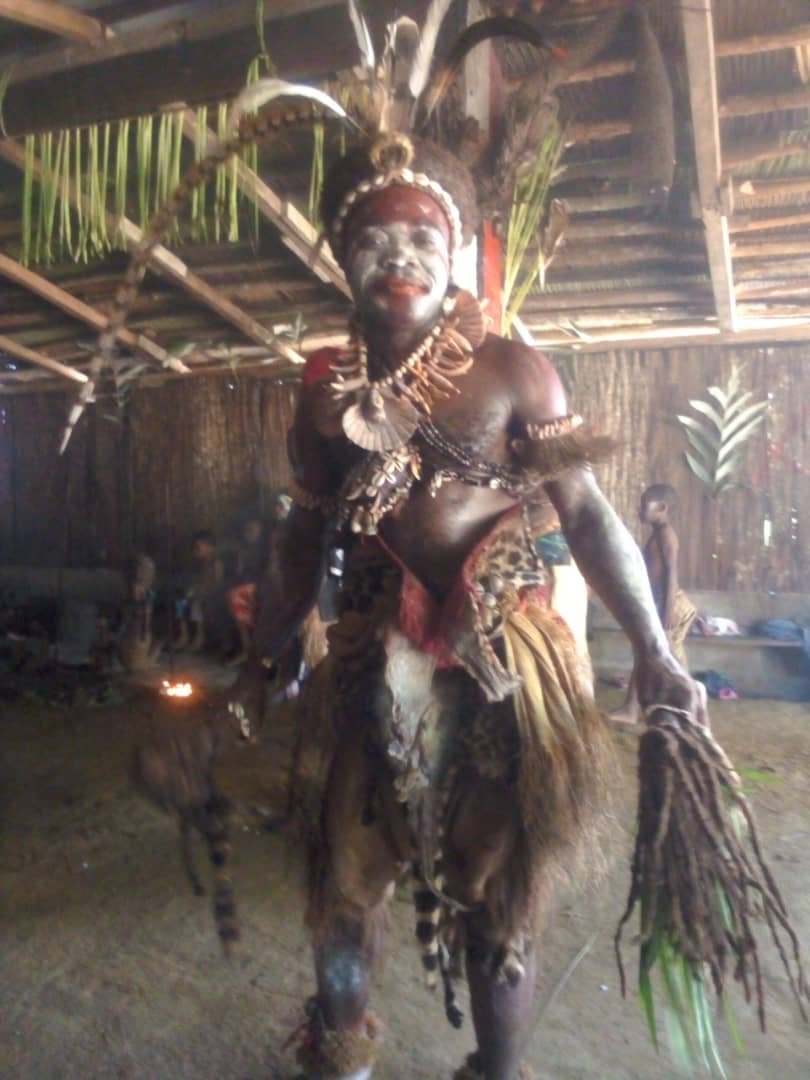
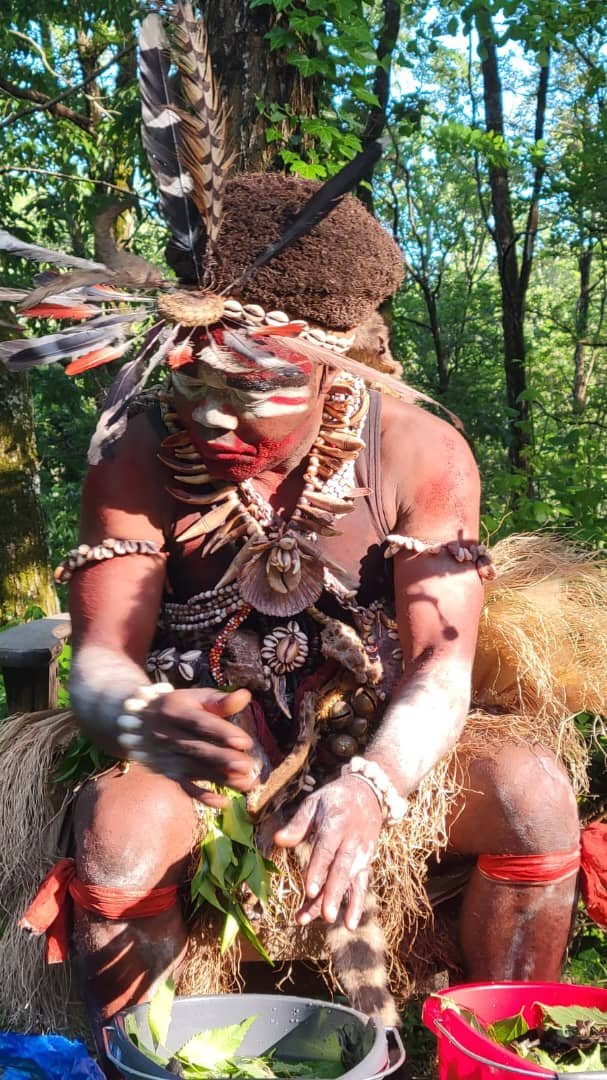
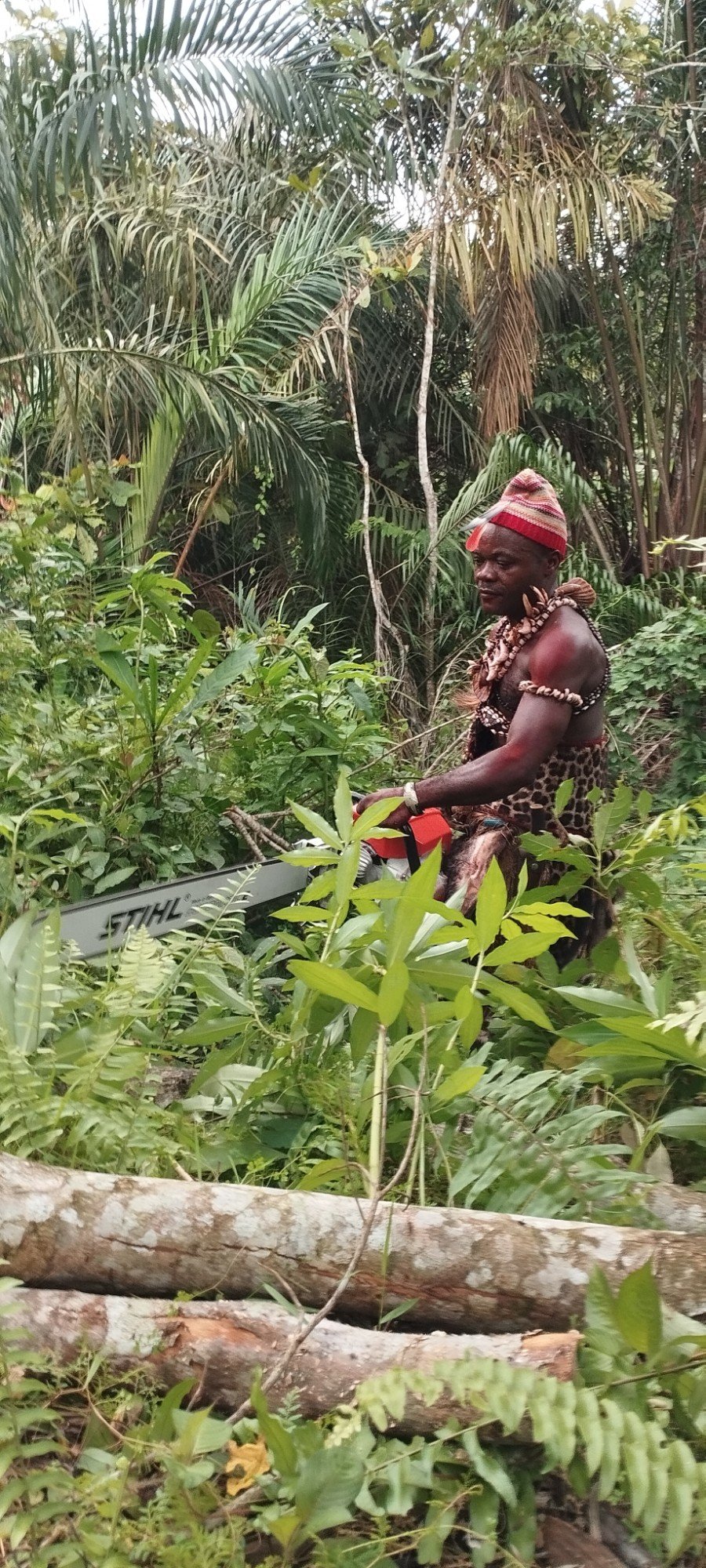
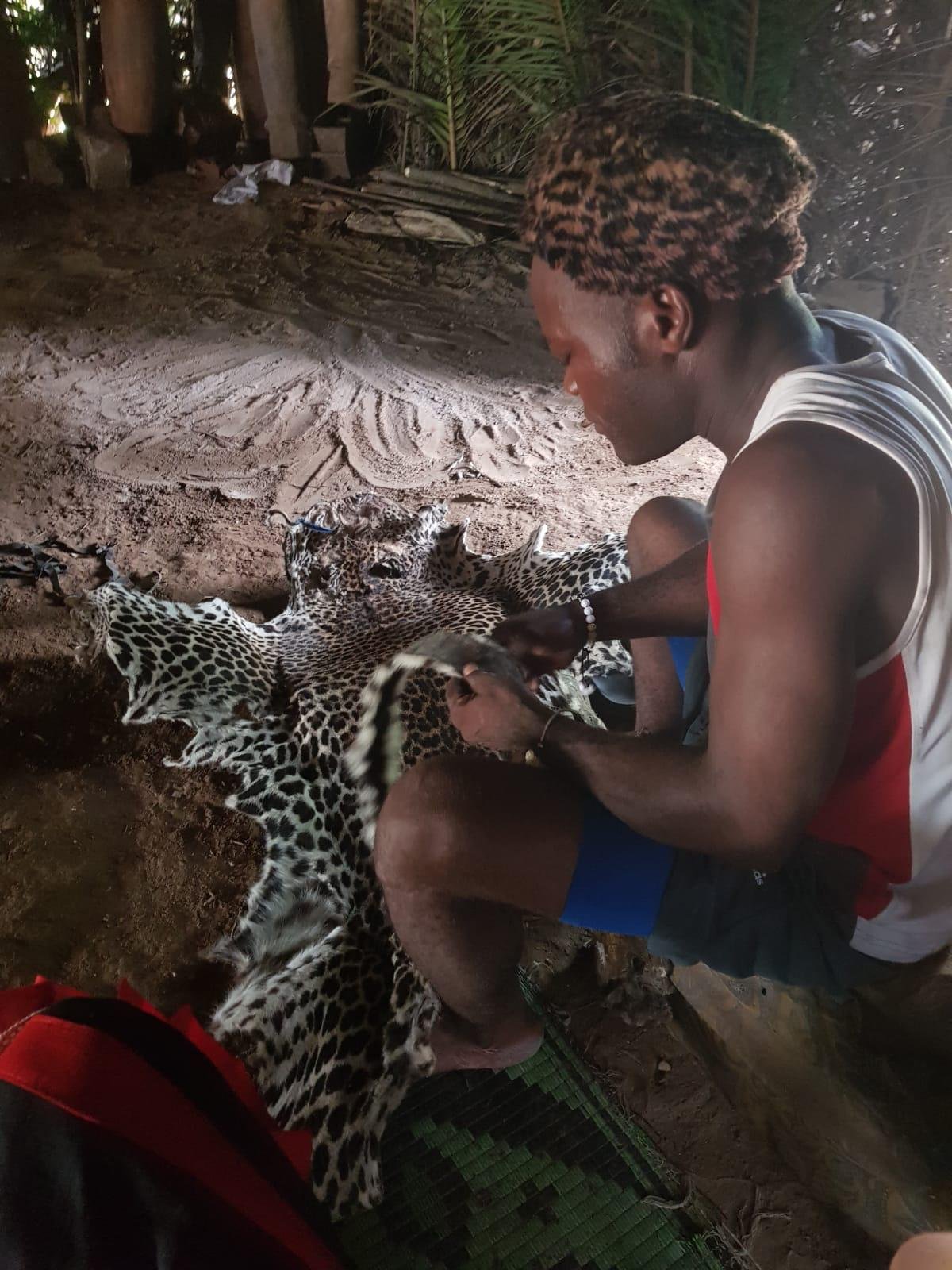
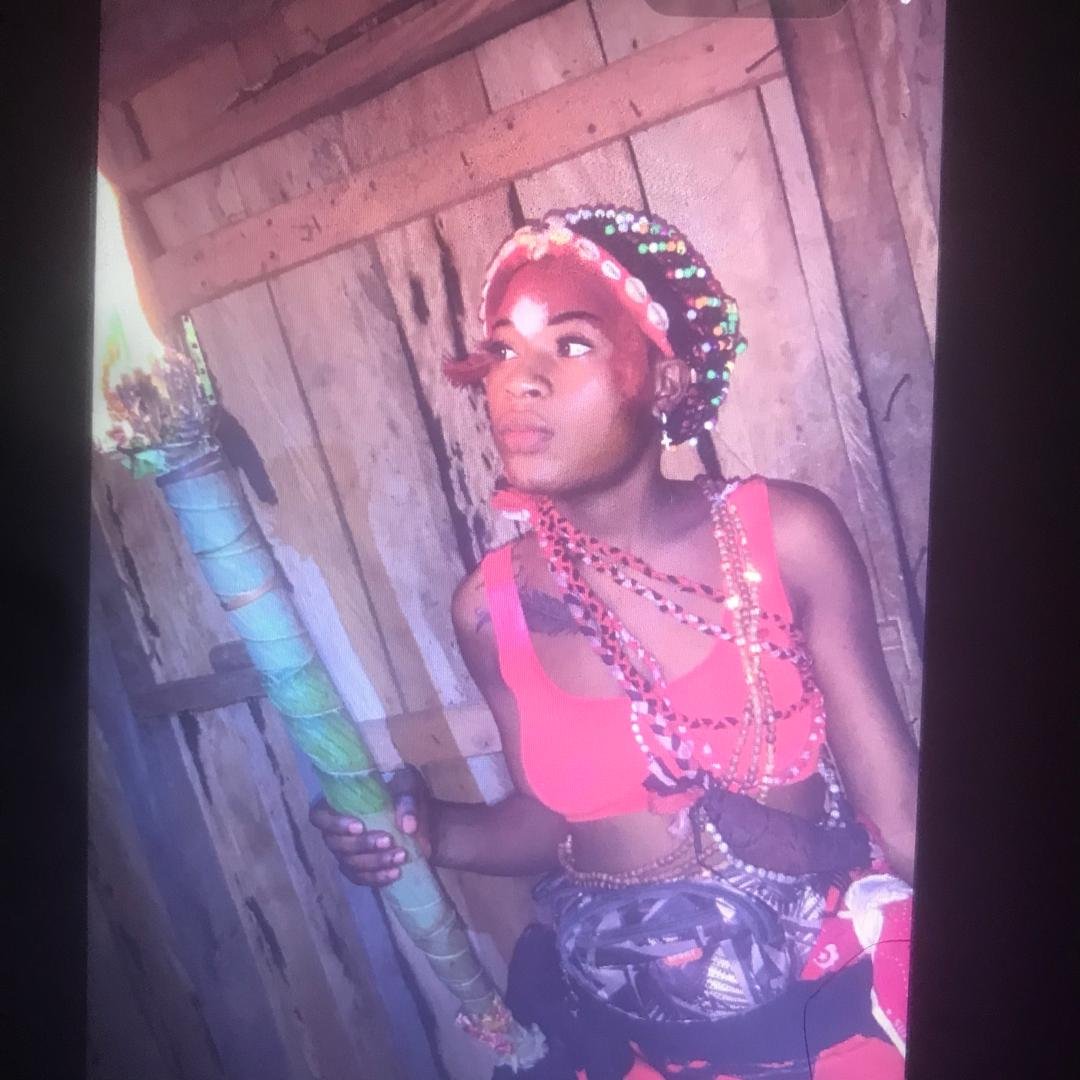
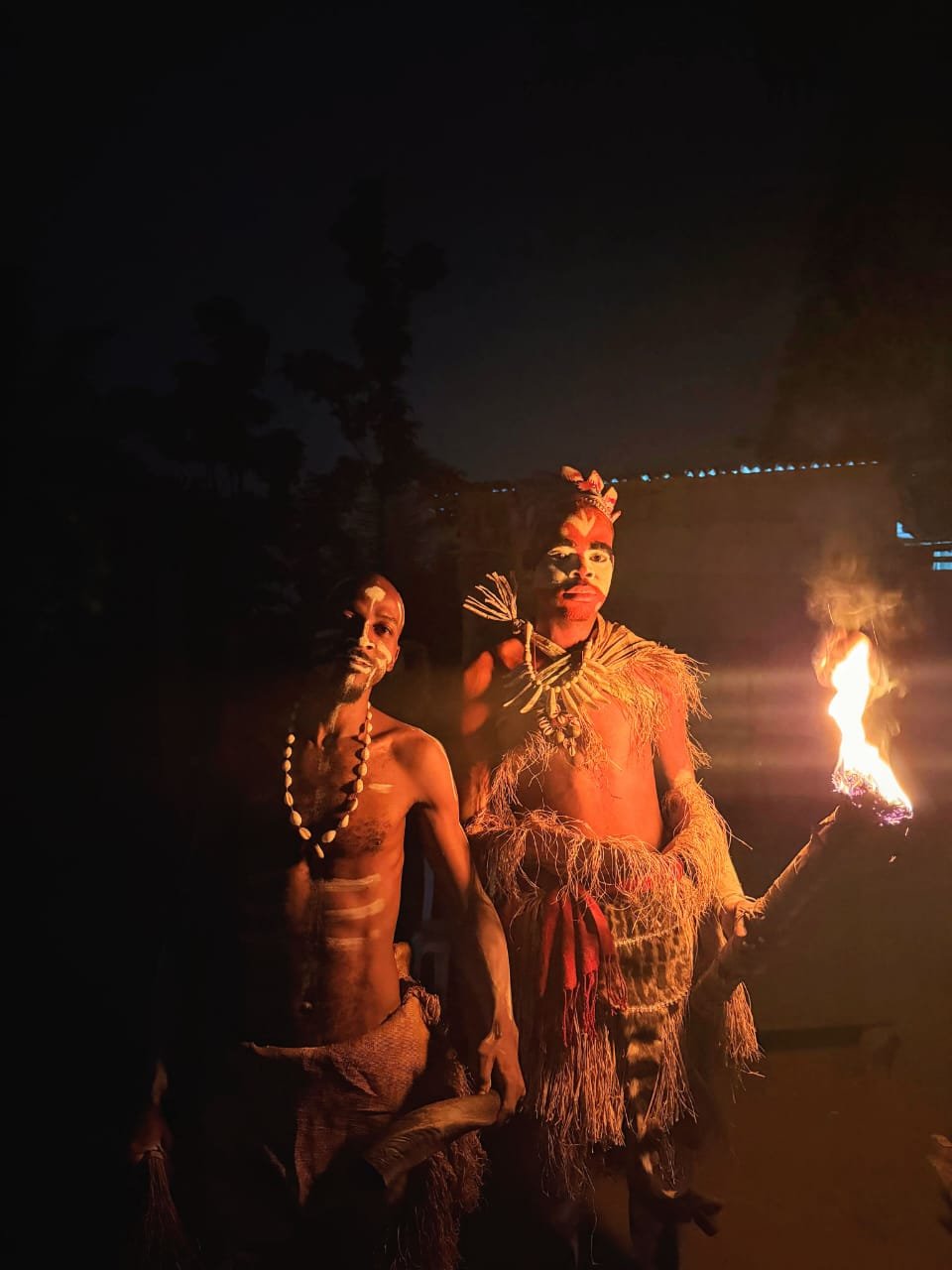
Soumouna means panther. It is the highest level of Pygmy shamanism: wearing the skin of the beast on one's loins.
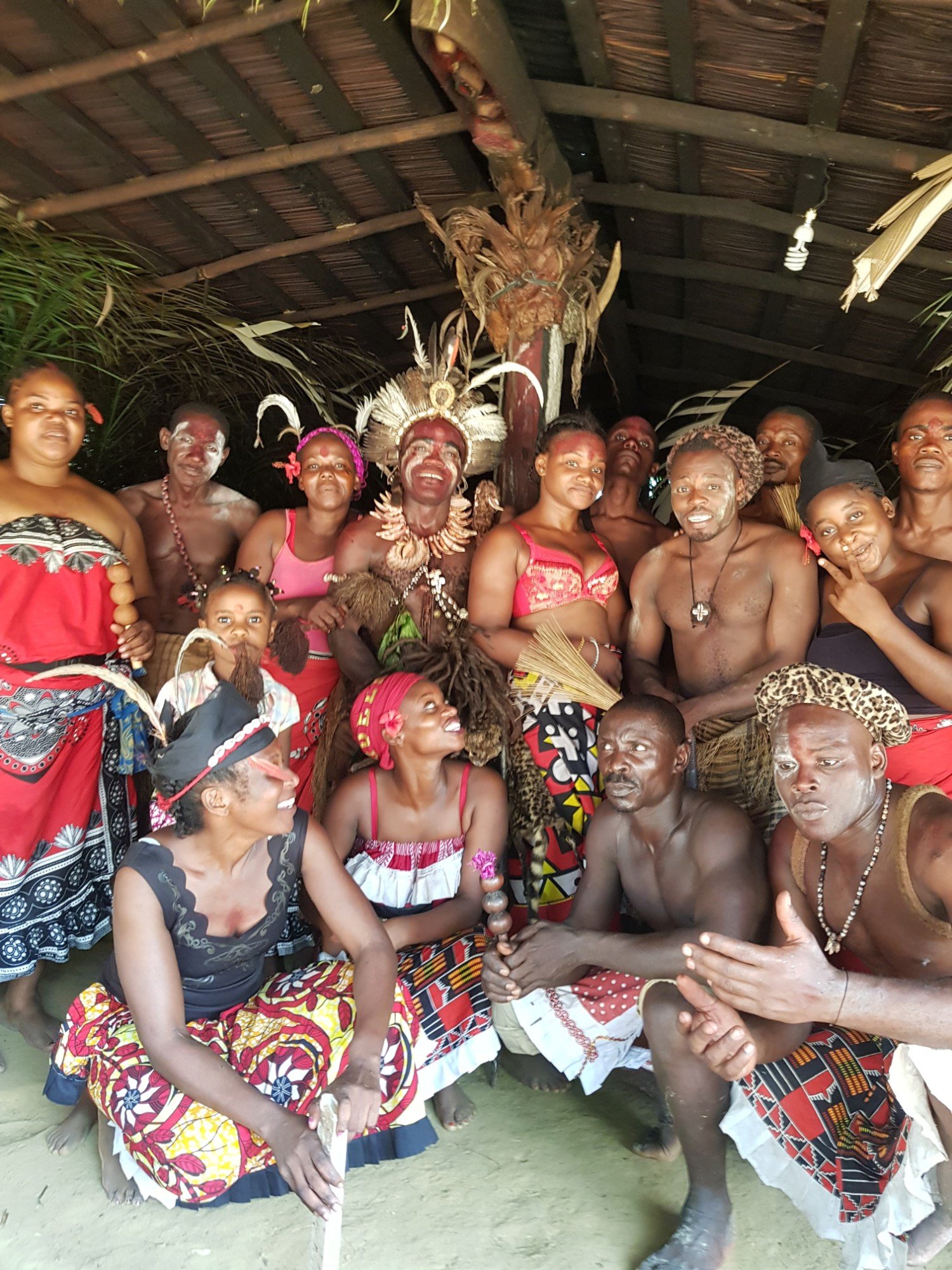
He comes from a long line of healers within the Mèmbè Pygmy ethnic group.
This group is composed of seven Pygmy ethnic groups originating from the Koulamoutou region, in the remote forests located approximately 800 kilometers east of Libreville.
His family belongs to the Puvi ethnic group and practices Bwity Missòkò, of the Ngòndè branch.
Literally, they are the diviners and healers of the Moon.
The village of Tsango, a place apart.
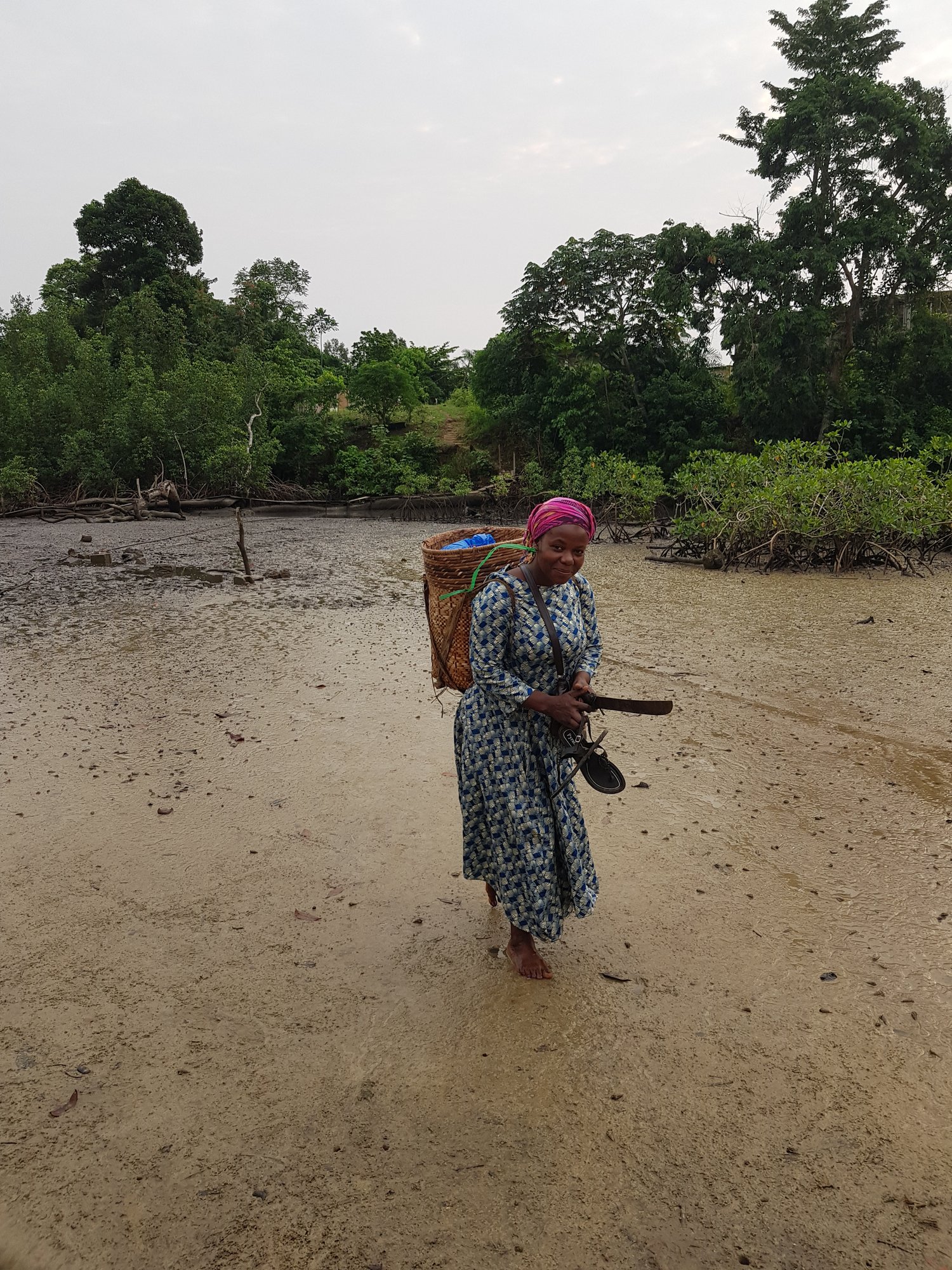
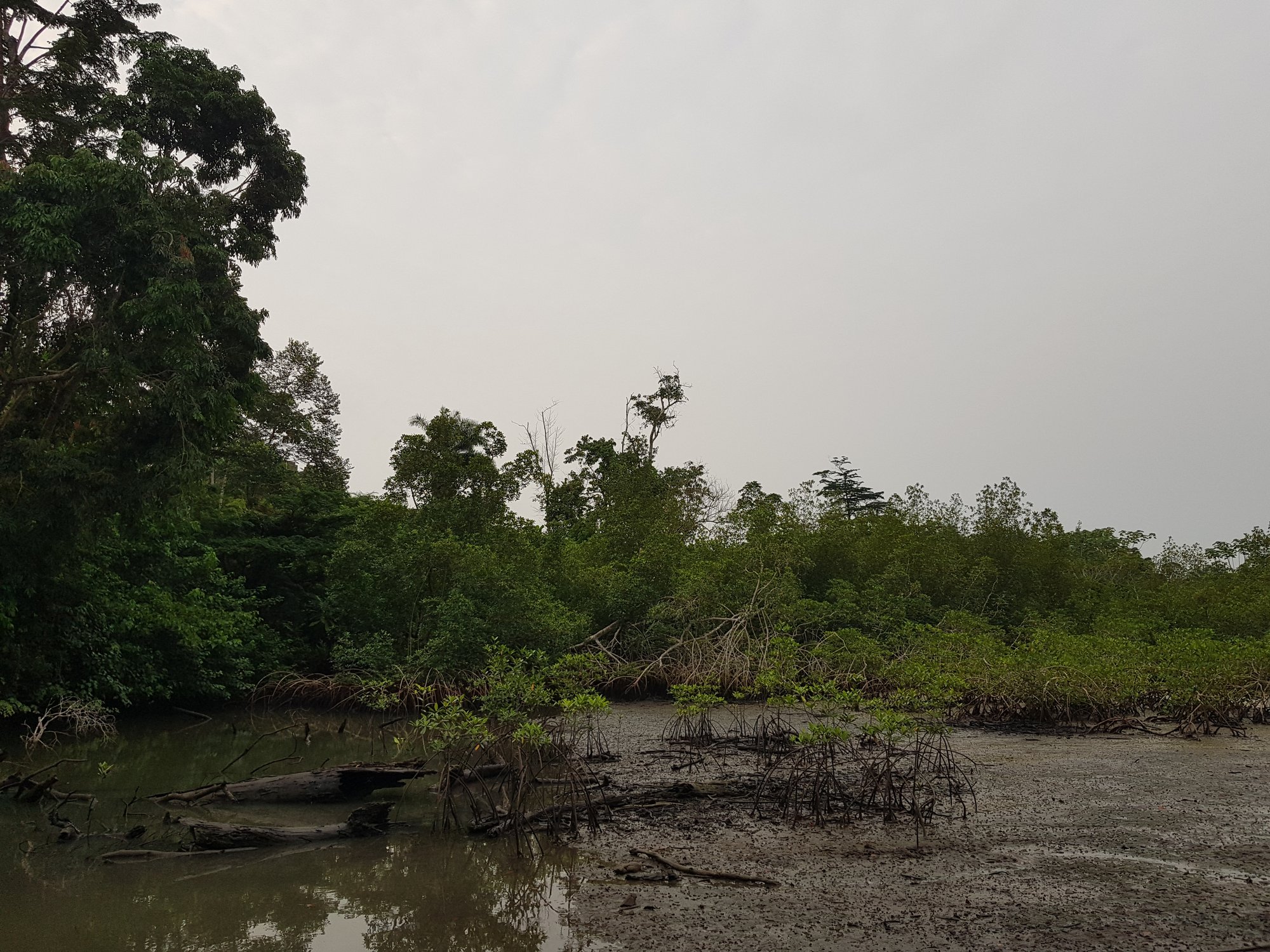
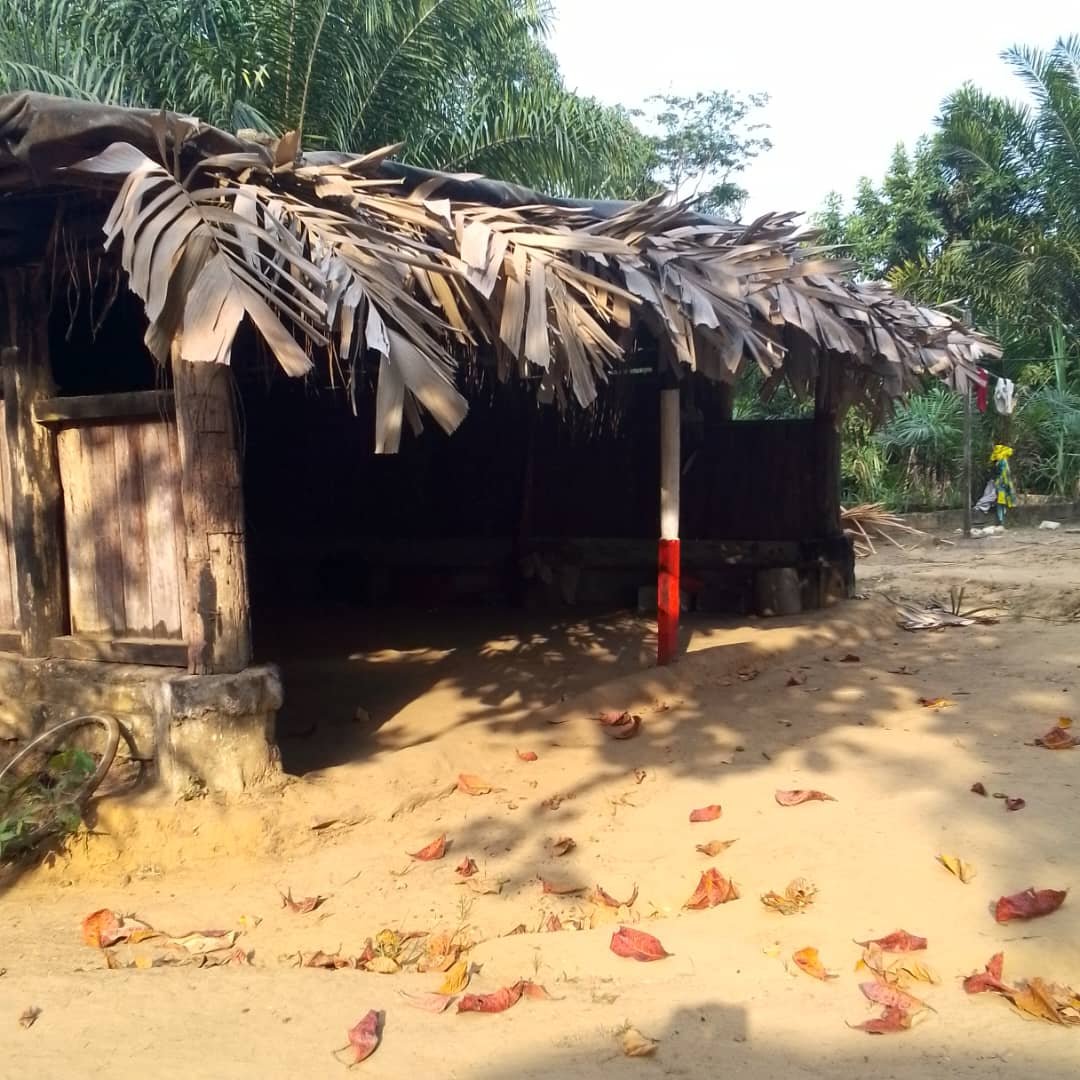
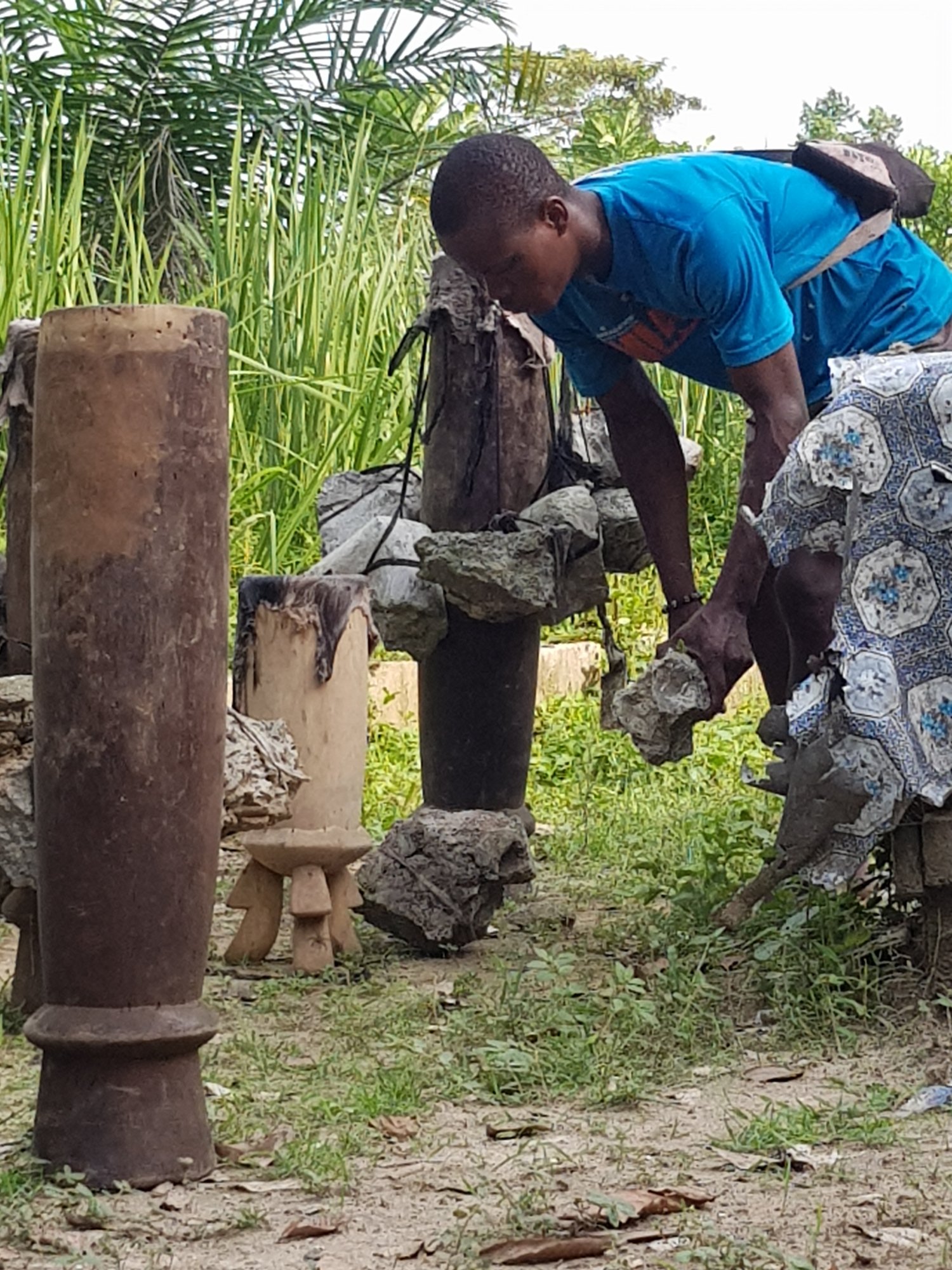
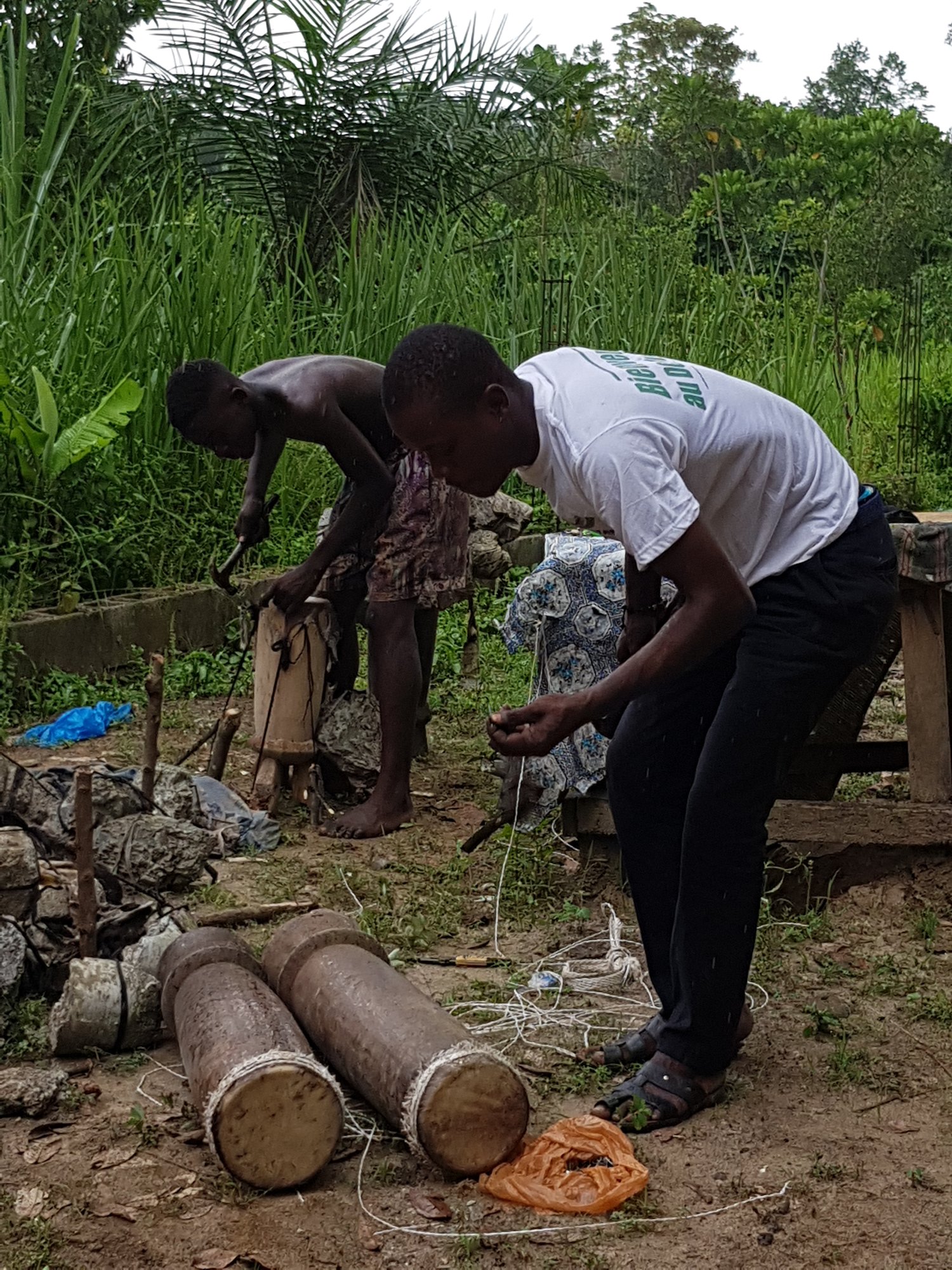
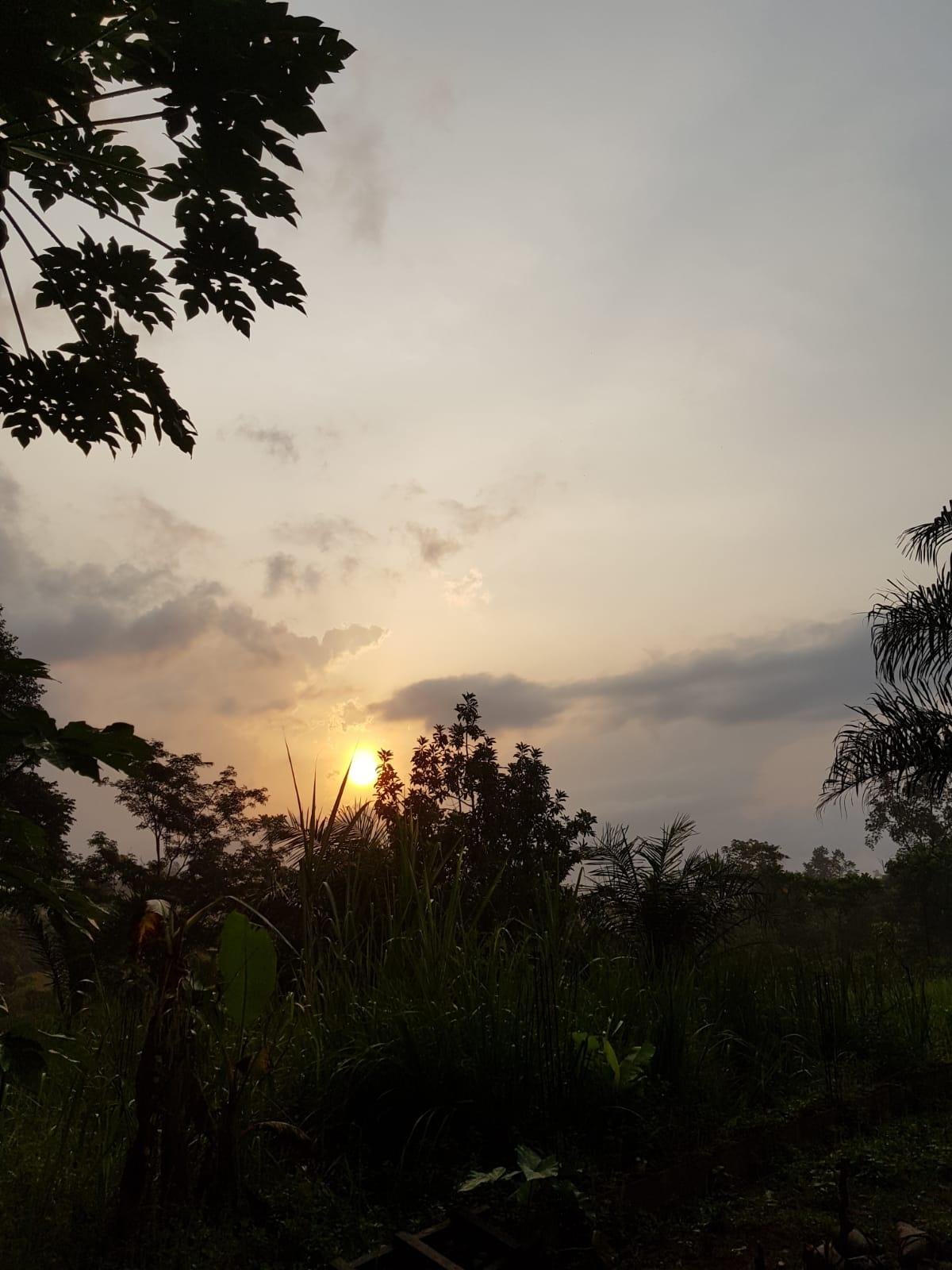
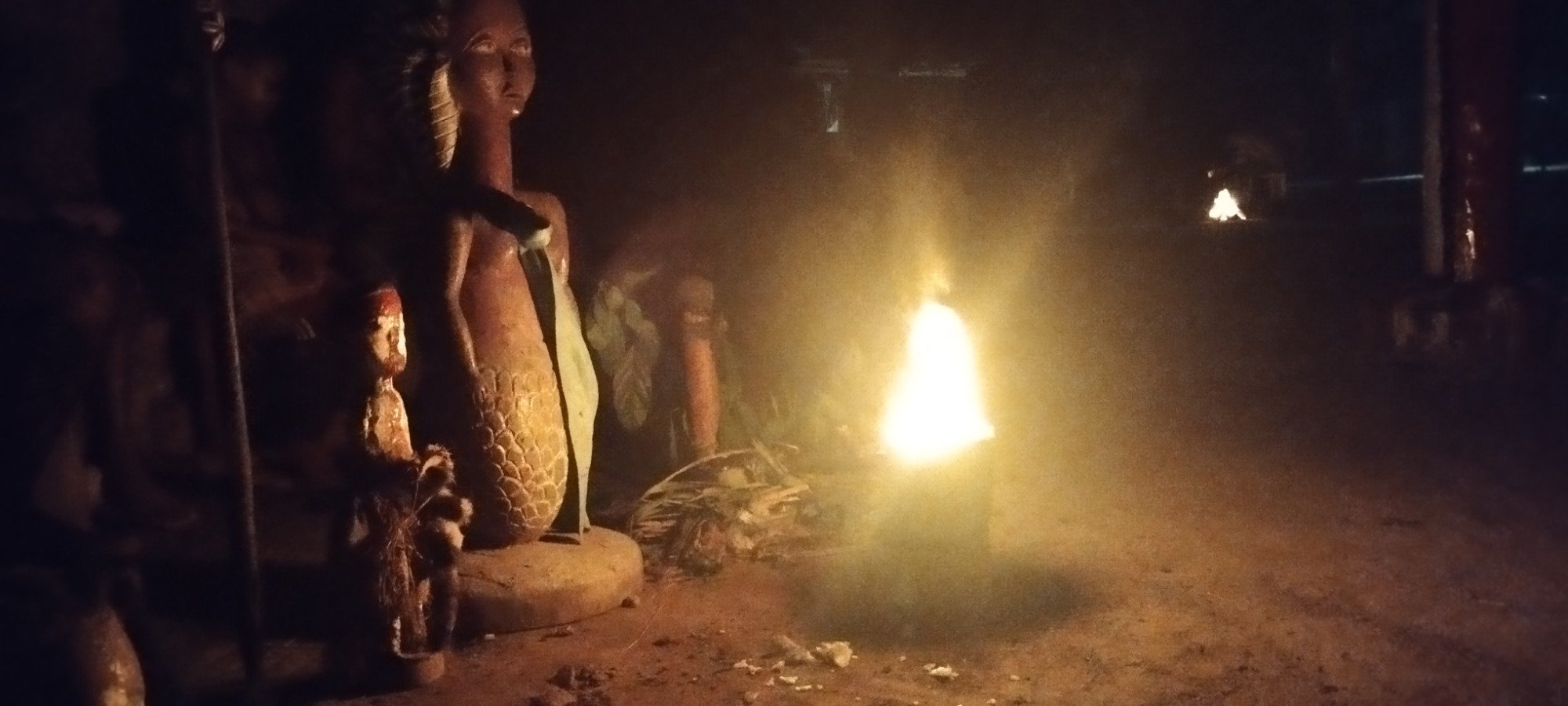
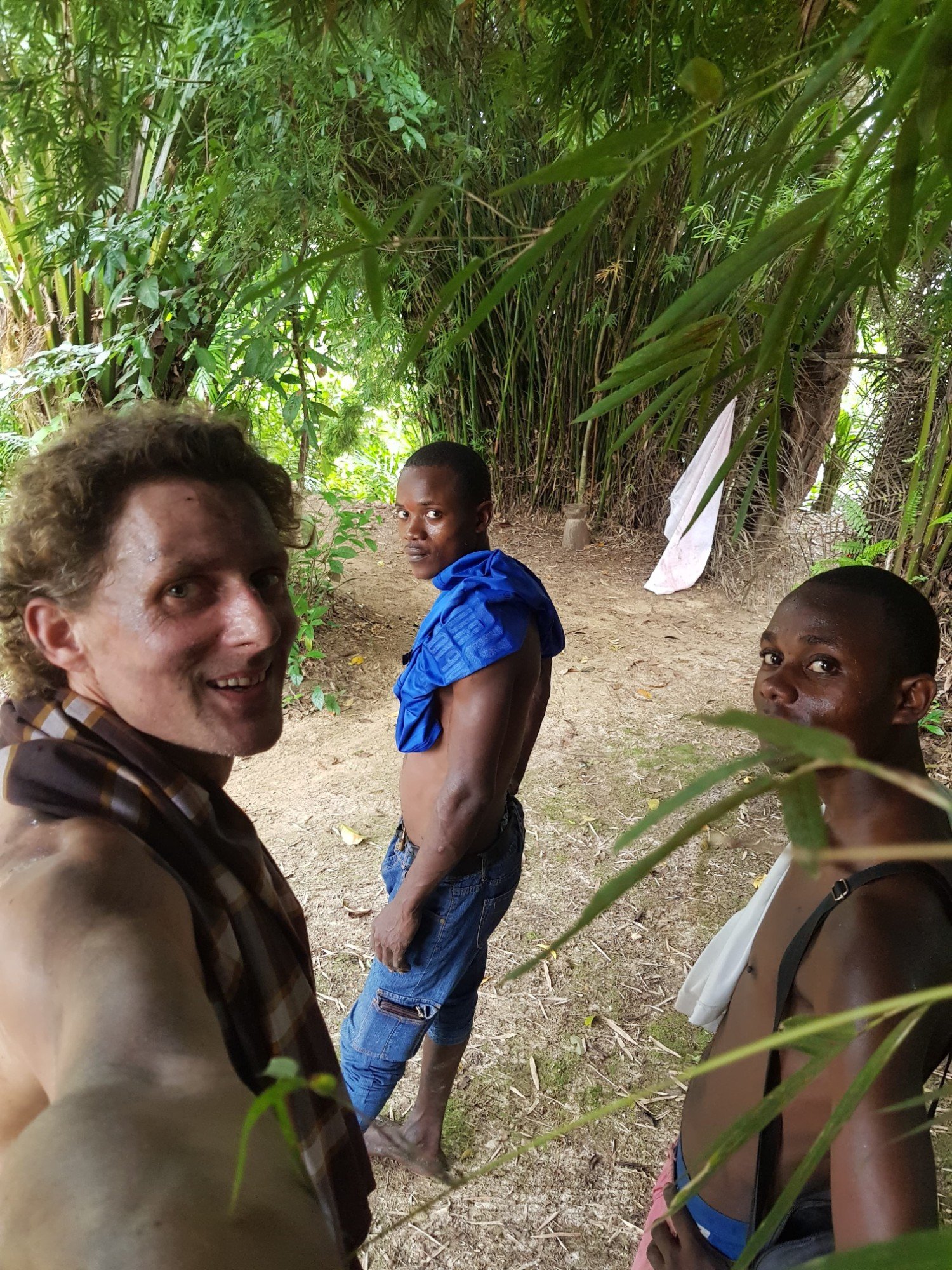
The village of Tsango is a sandy, reddish-ochre land, about half the size of a football field, gently sloping and situated between two inlets, in the heart of the mangrove.
The area is calm and welcoming, far from the hustle and bustle of Gabon's capital.
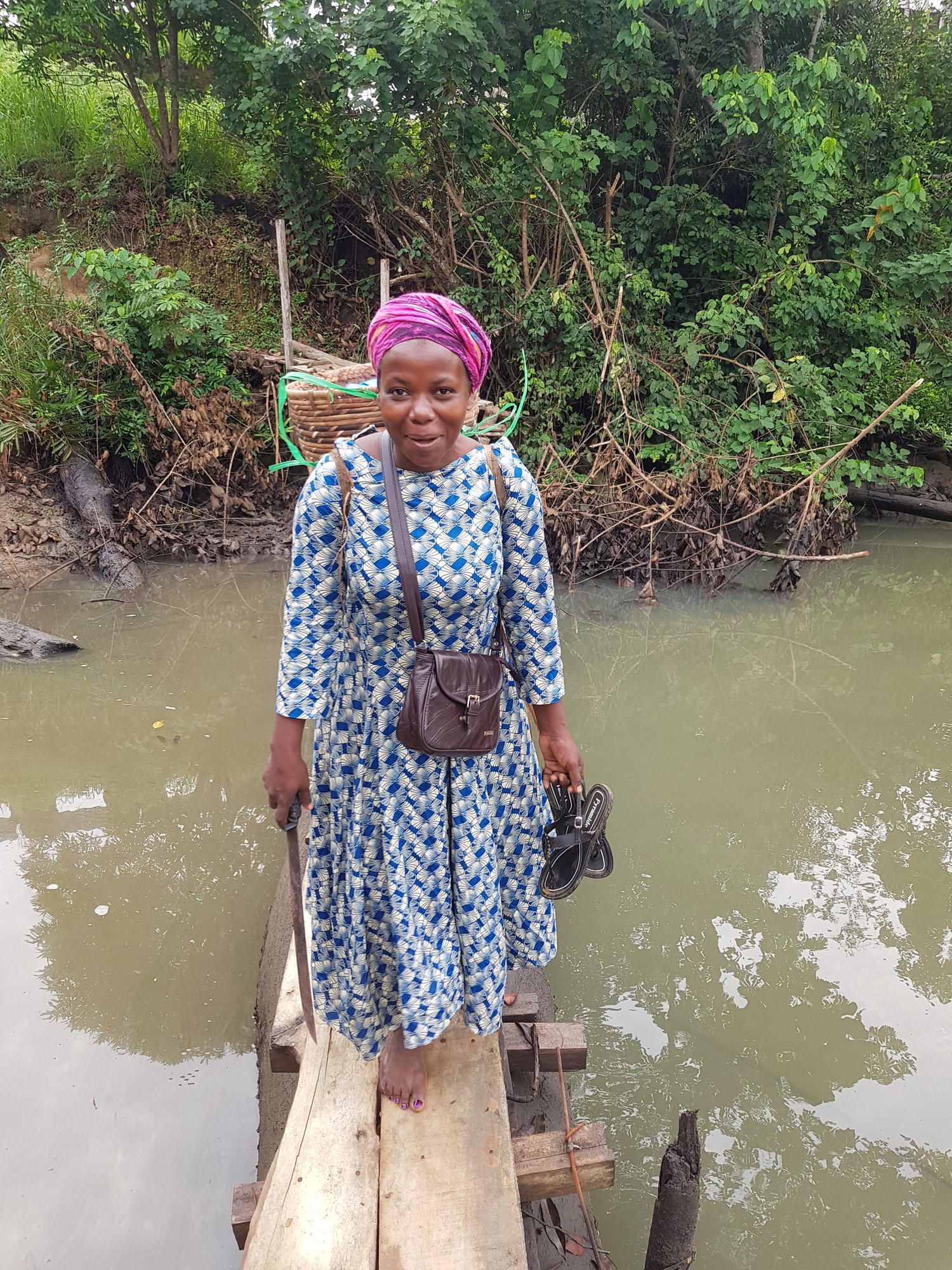
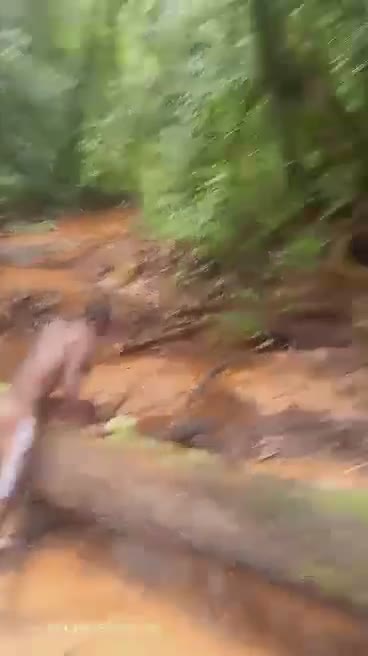
This haven of peace is reached by crossing a large felled tree, which serves as a footbridge to reach the village when the tide comes in.
A unique way to invite you to discover a place unlike any other.
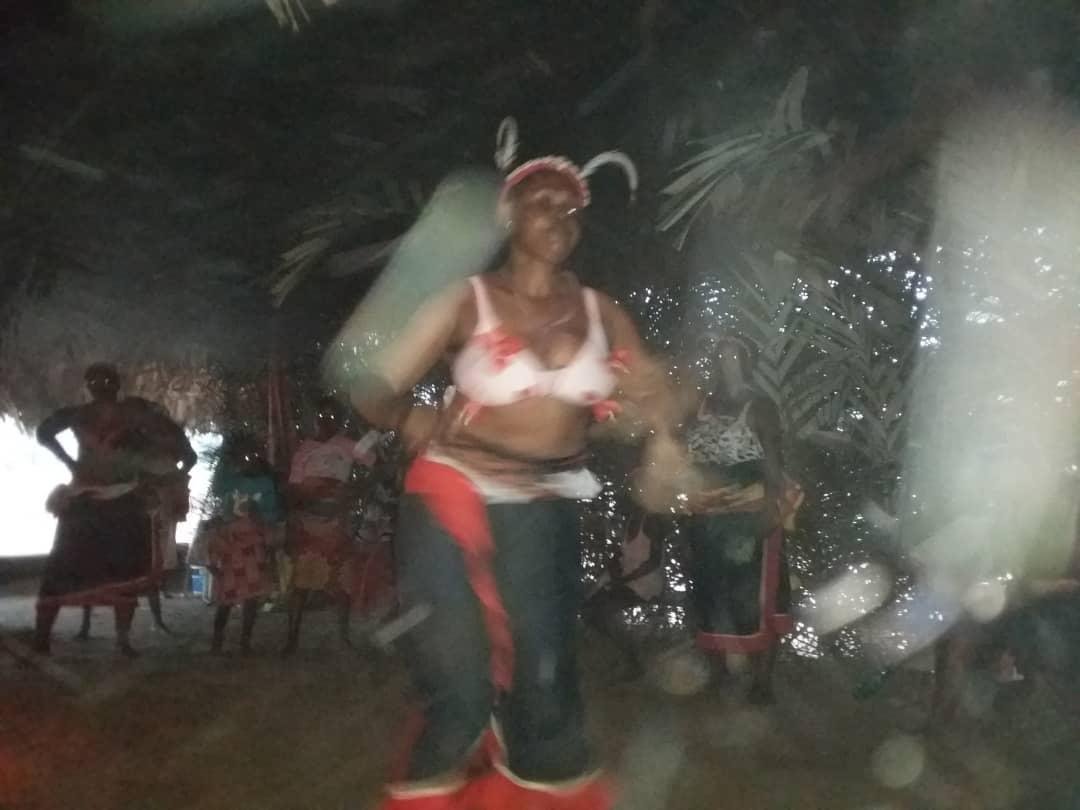
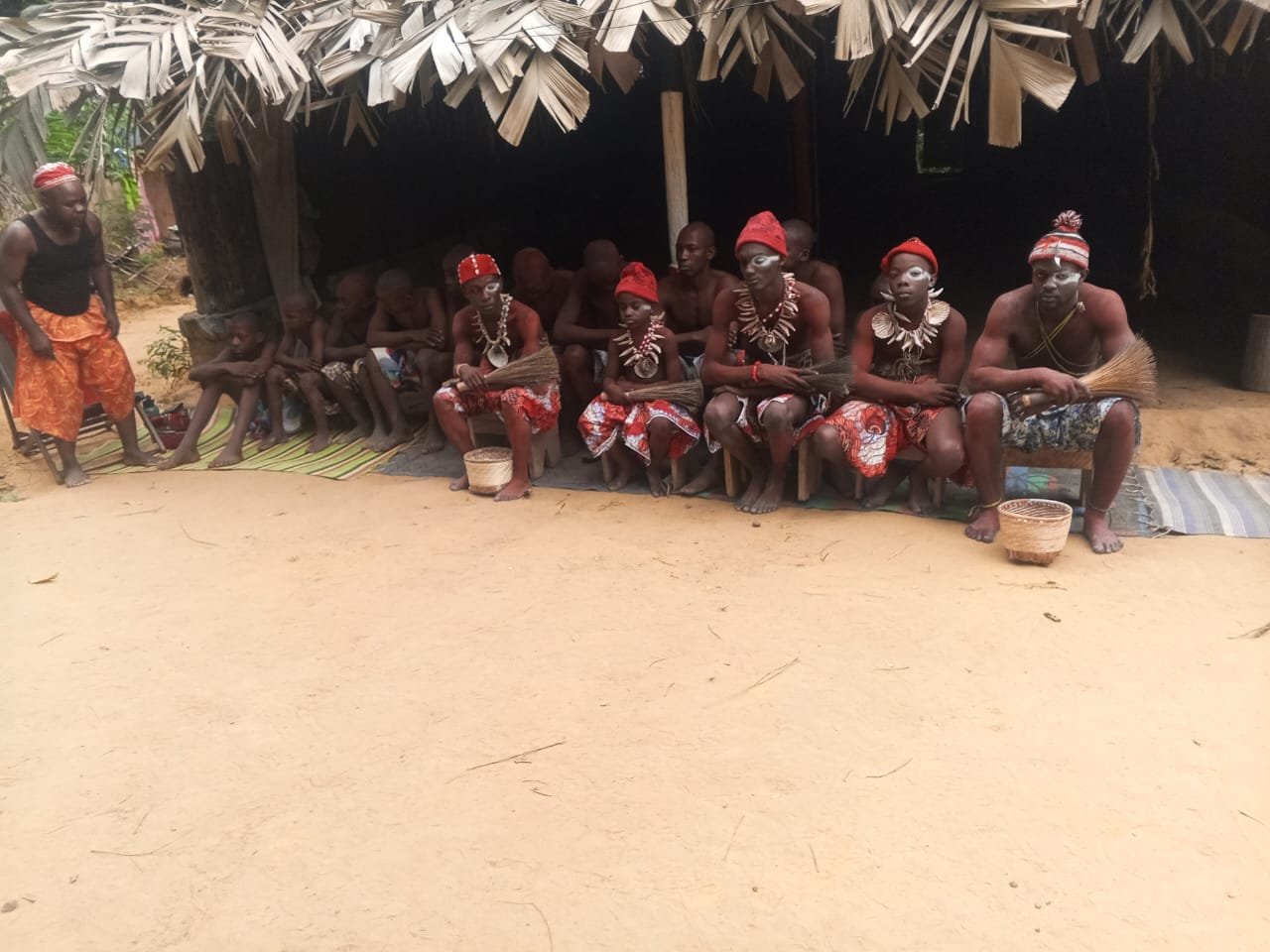
The family has lived here for about ten years. Several huts make up the village, as well as a guardhouse where evening gatherings take place.
It's a bit like the village's control tower, a place for observation and protection.
There's always a dedicated area for cooking over a wood fire. Here, you can discover Gabonese specialties, but it's also possible to find flavors from elsewhere.
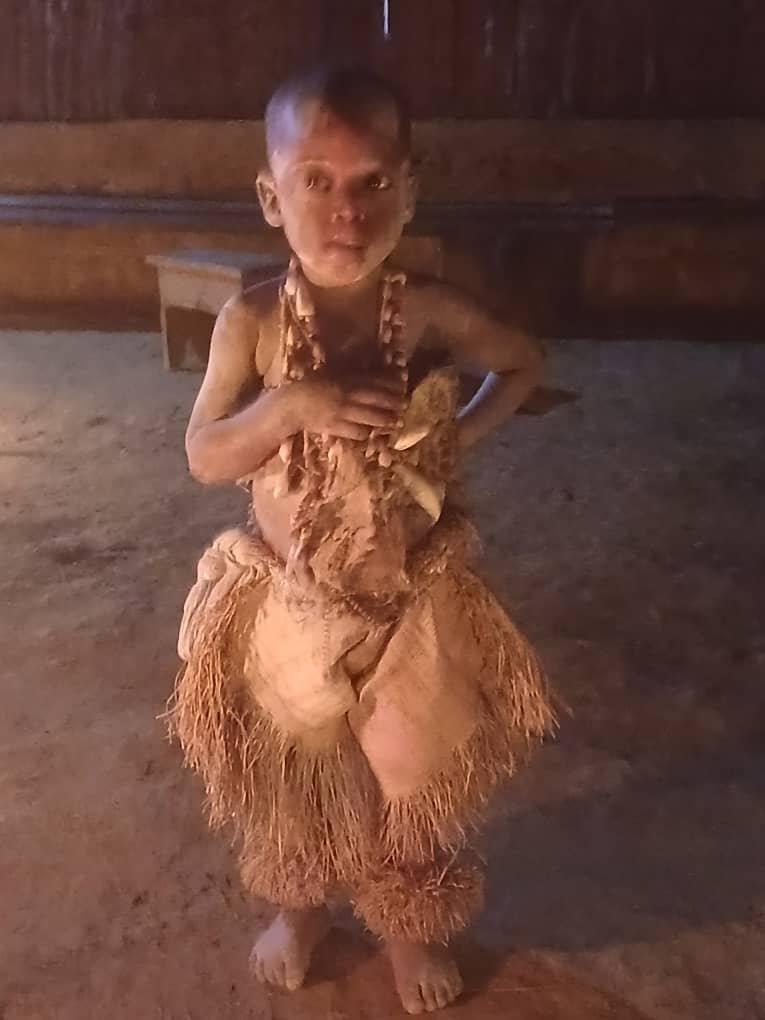
Life revolves around the children, the roosters and hens, the sheep, the dog, the mango trees, the passion fruit, and many other surprises.
Everyone, in their own way, participates in the tasks that maintain the harmony of a joyful daily life.
Here, respect and discipline are paramount.
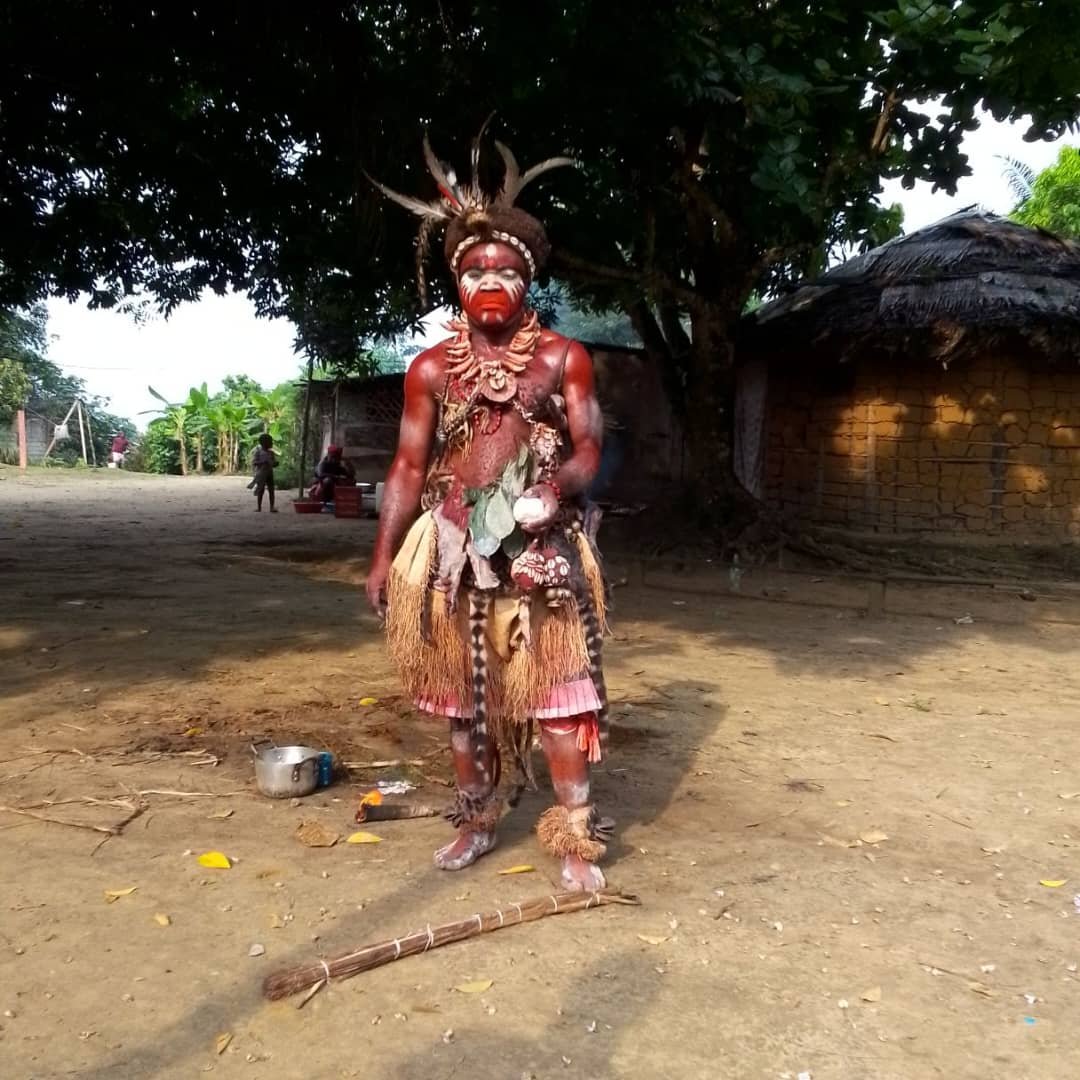
The initiation ritual
The Mat
It's a return to the state of a newborn baby.
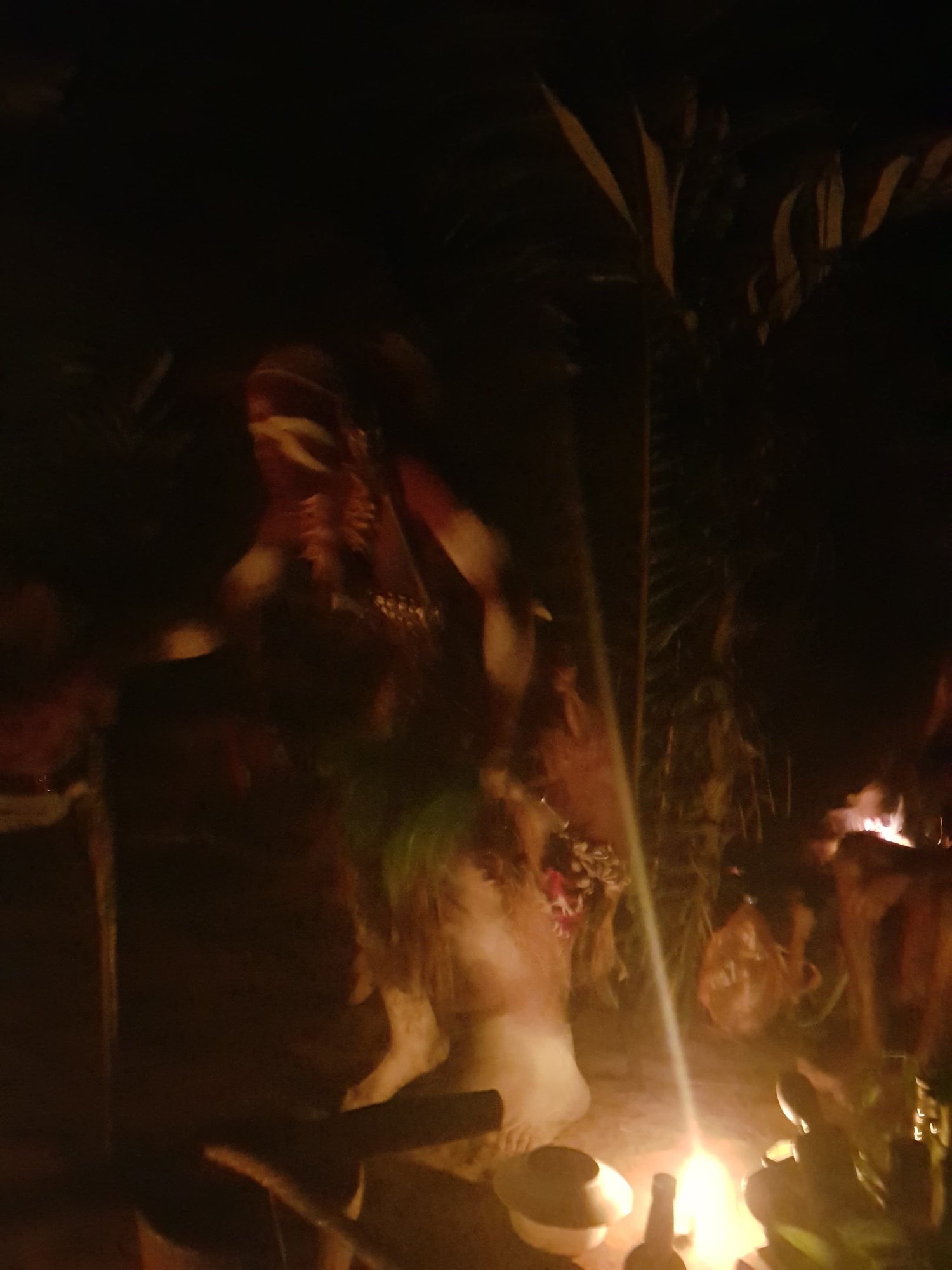
On this day, this night, you come to confront yourself and your ancestors.
Thus, you delve into the very depths of the mind. The ritual unfolds according to a code as old as time.
You are surrounded, protected, listened to: this is your moment.
You remain under close supervision throughout the vigil, even when you need to use the restroom.
You will not be alone for a second.
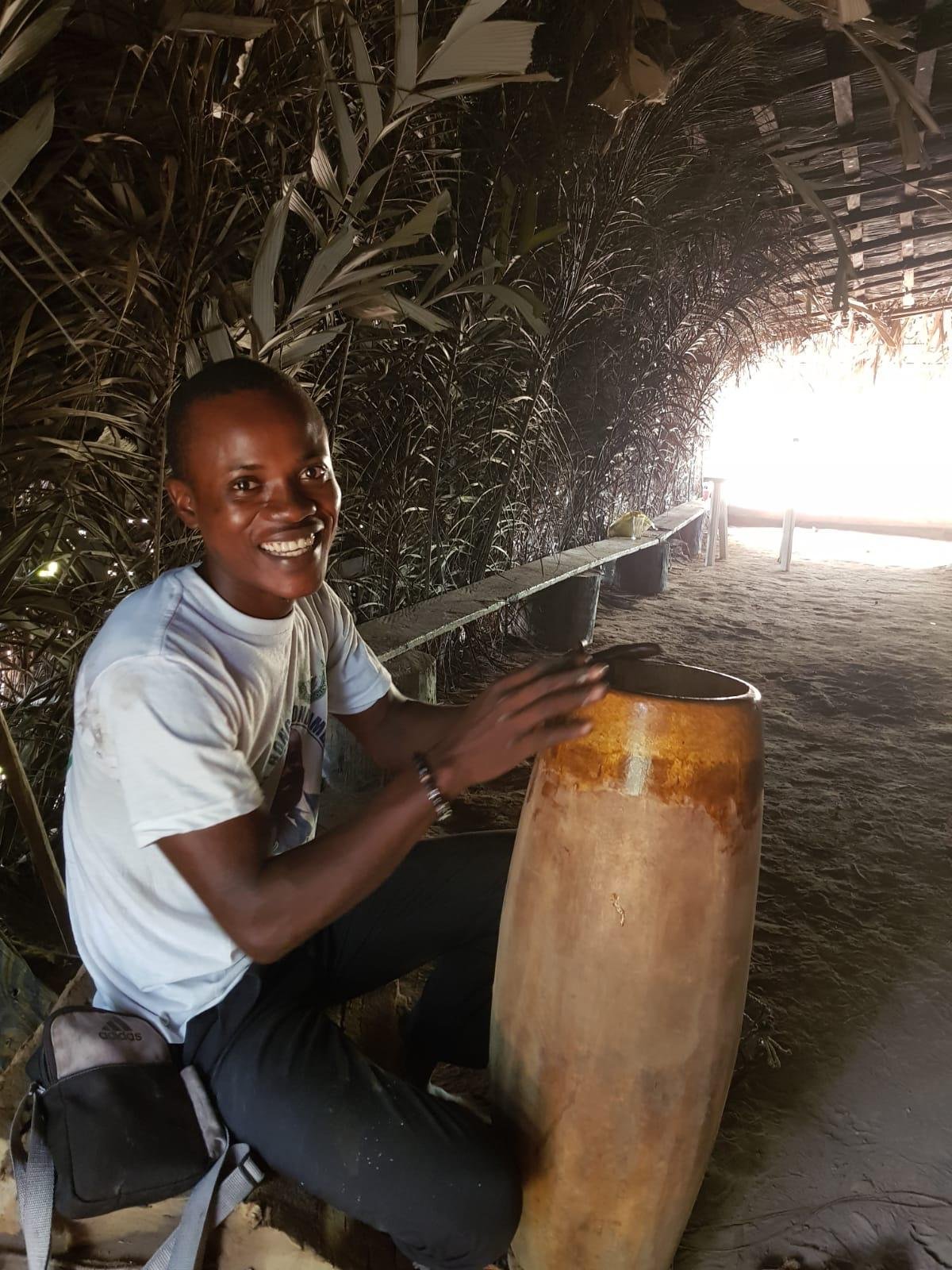
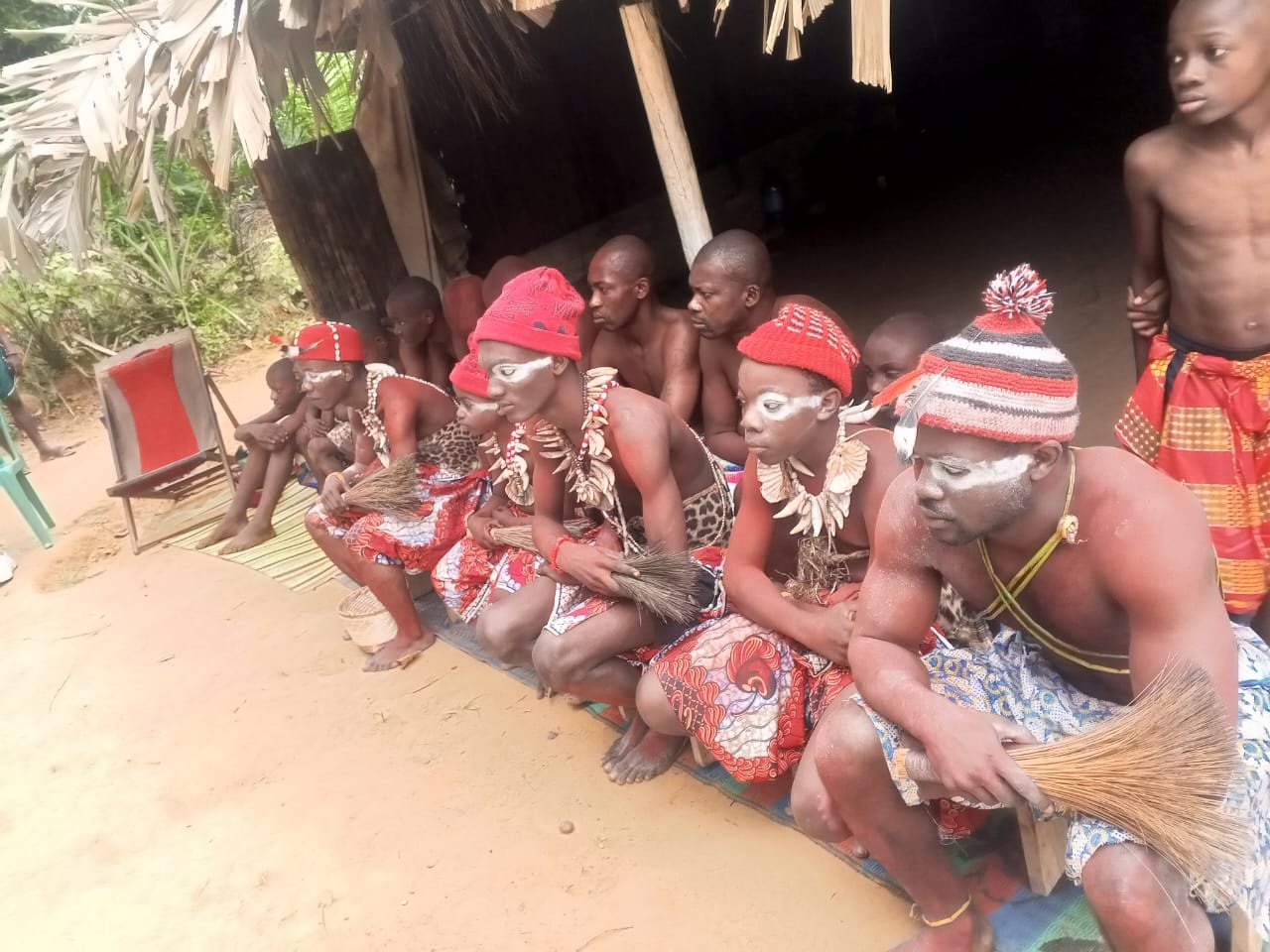
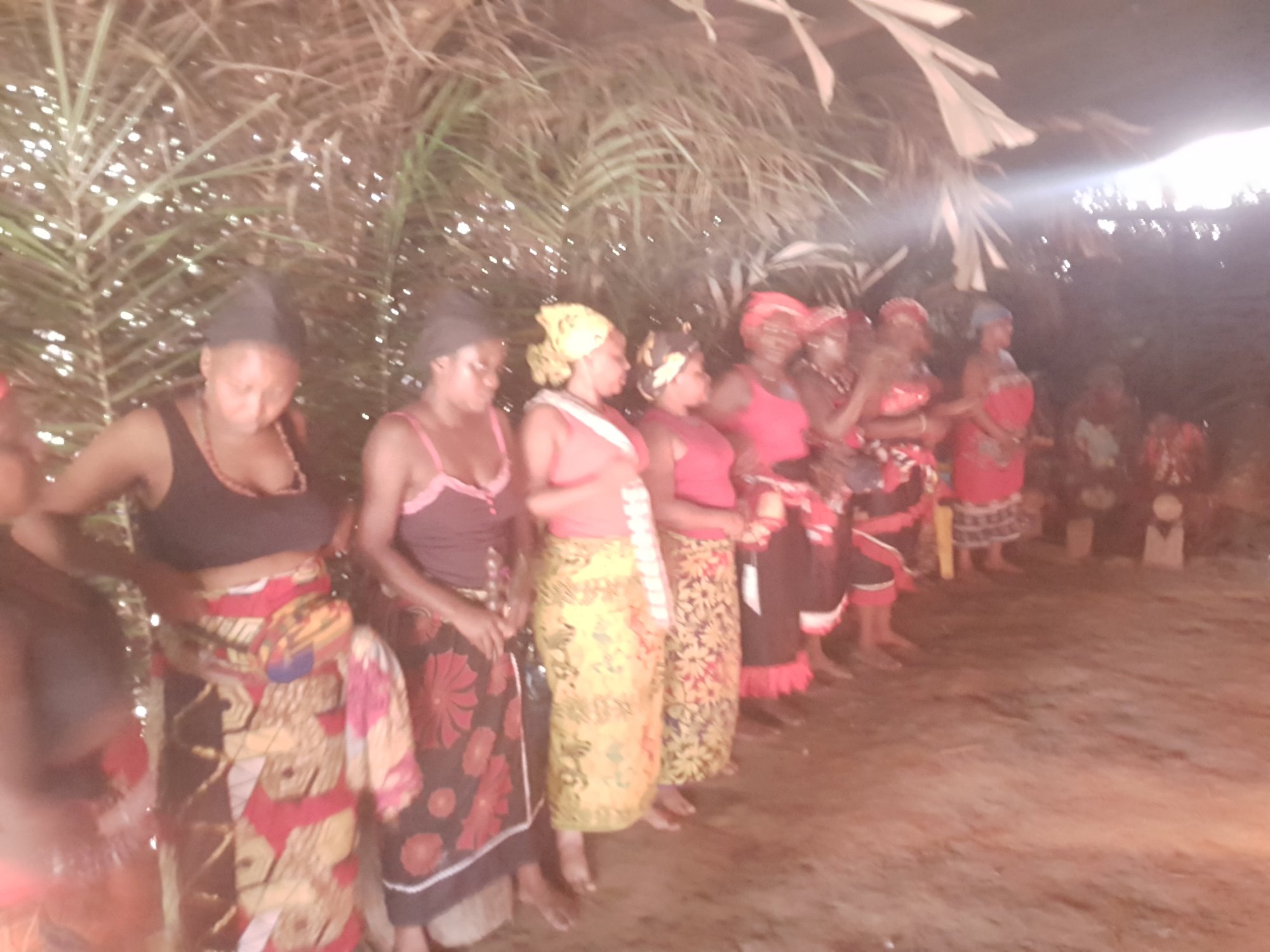
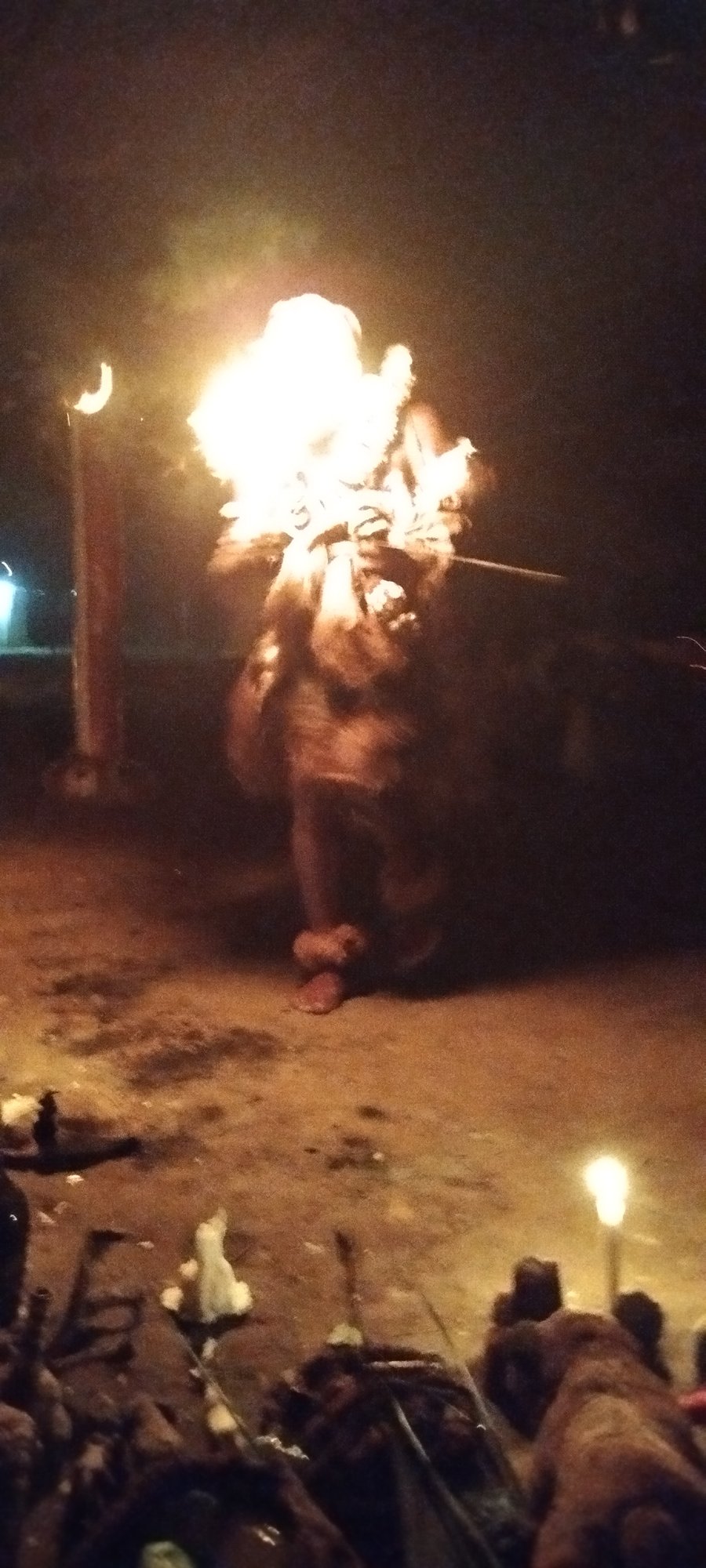
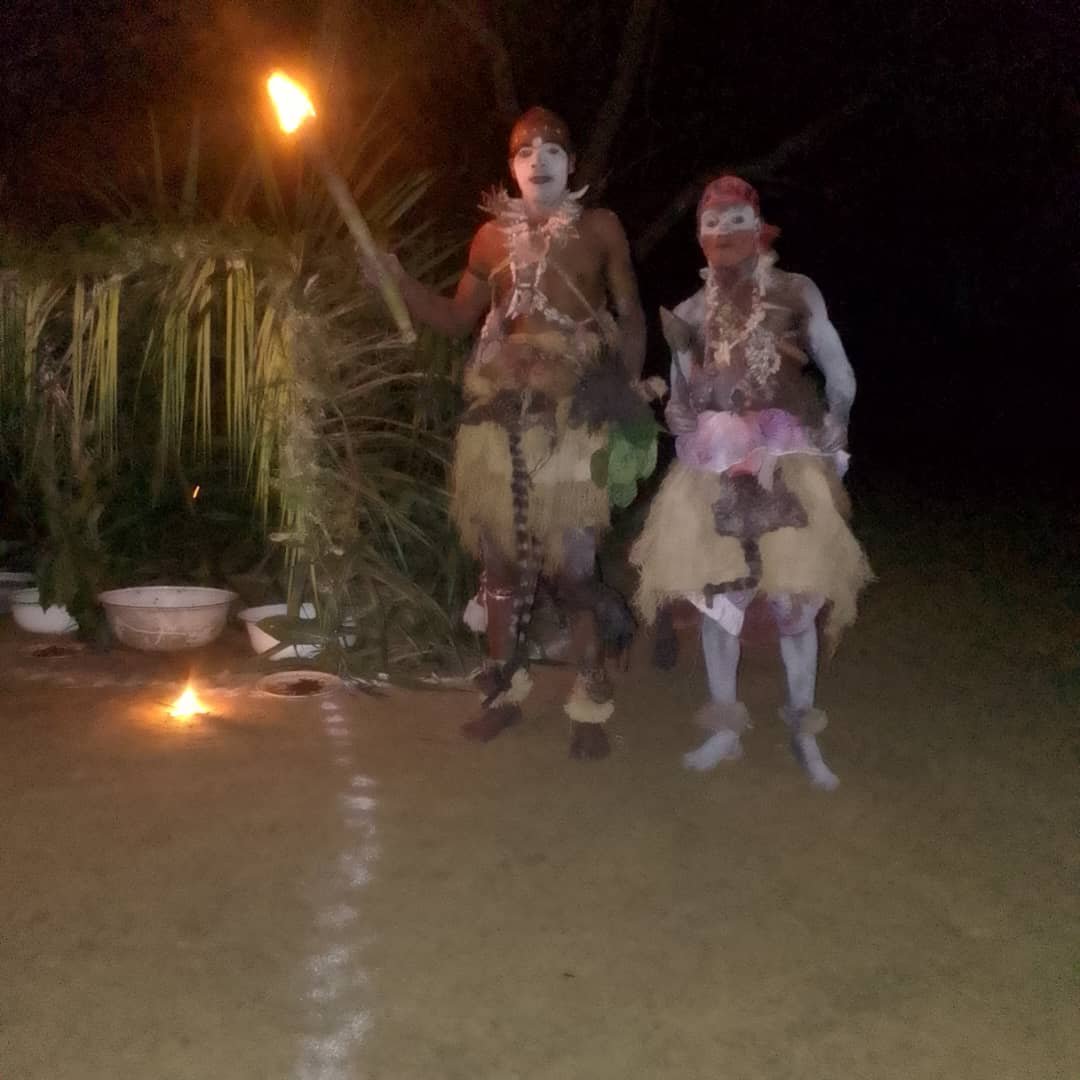
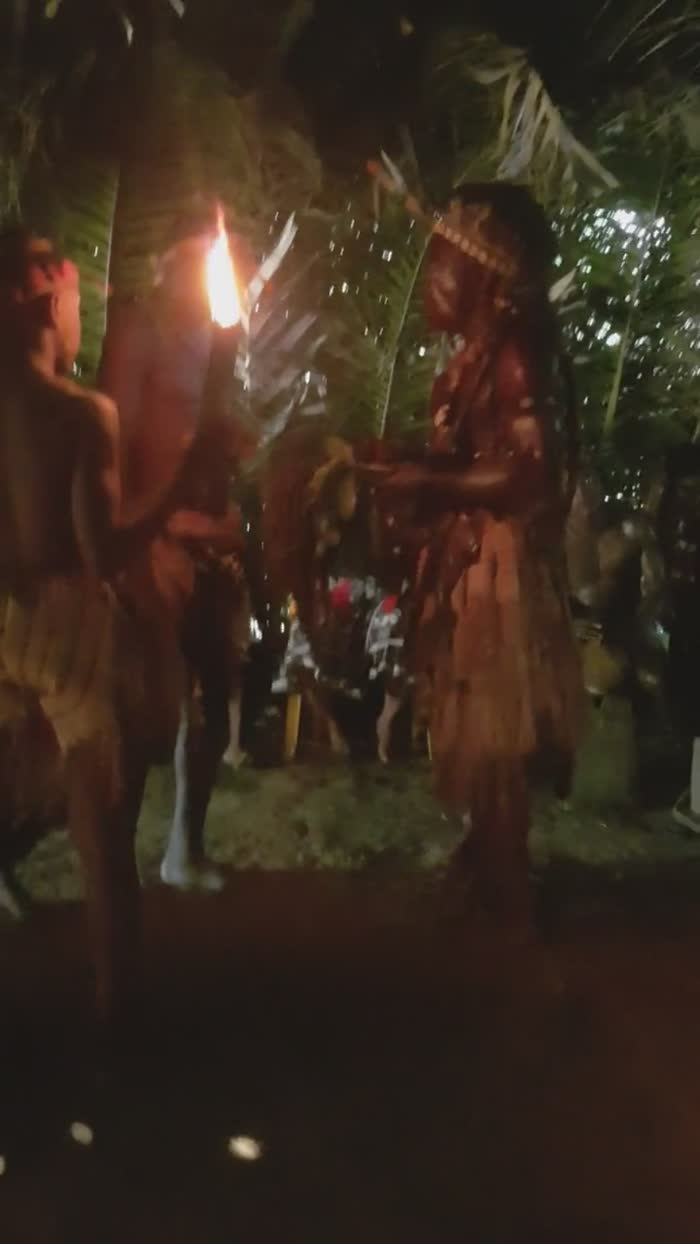
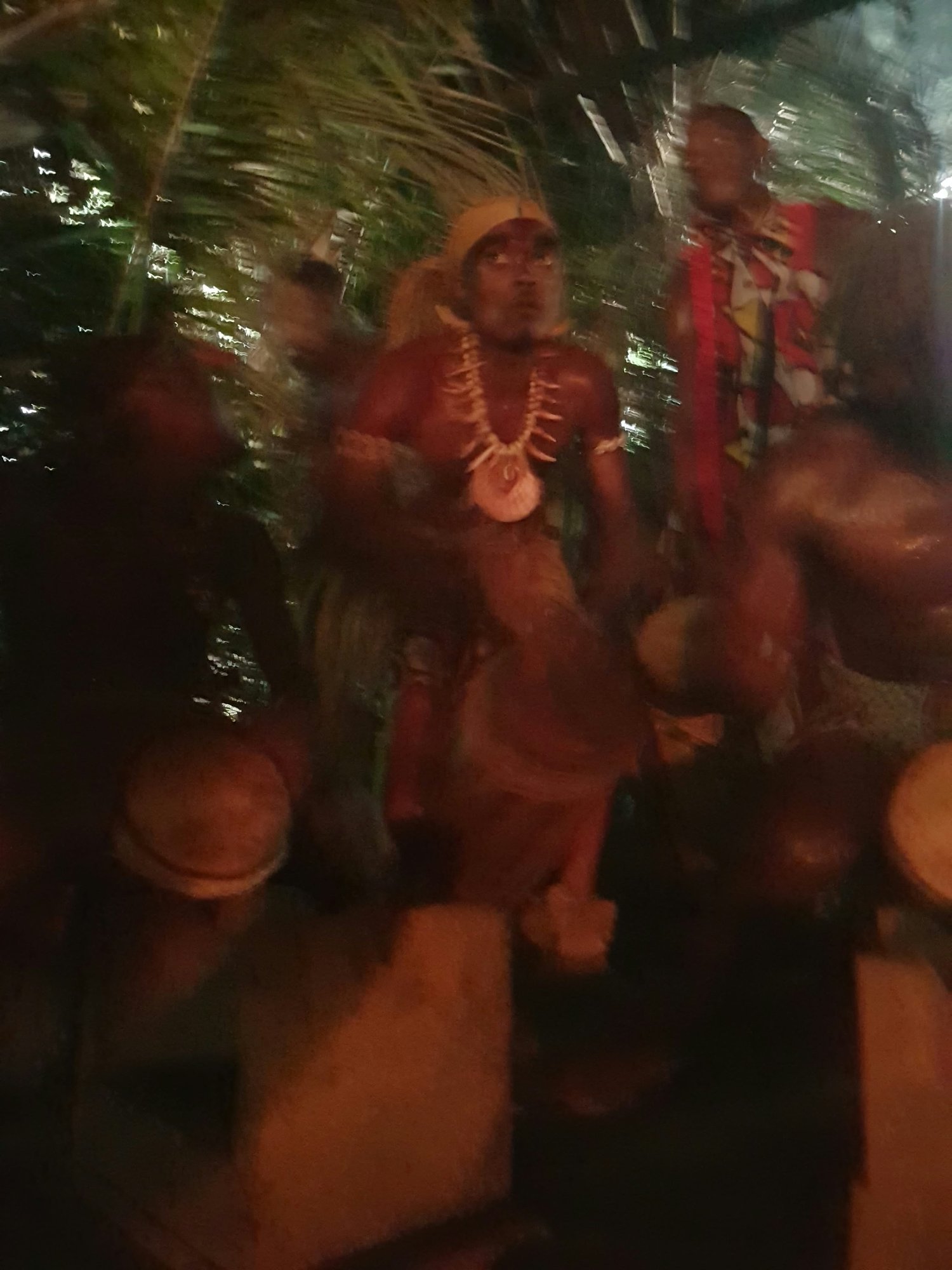
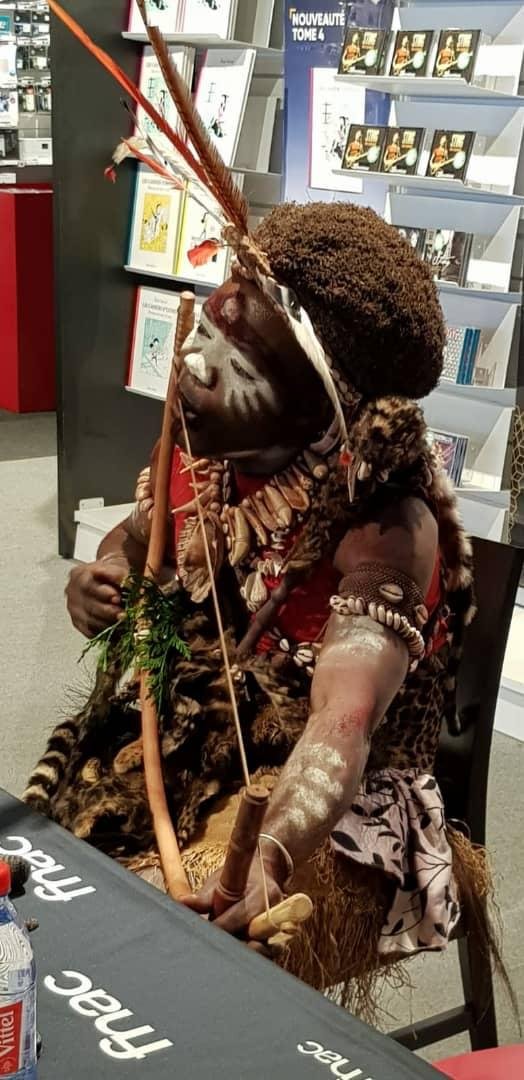
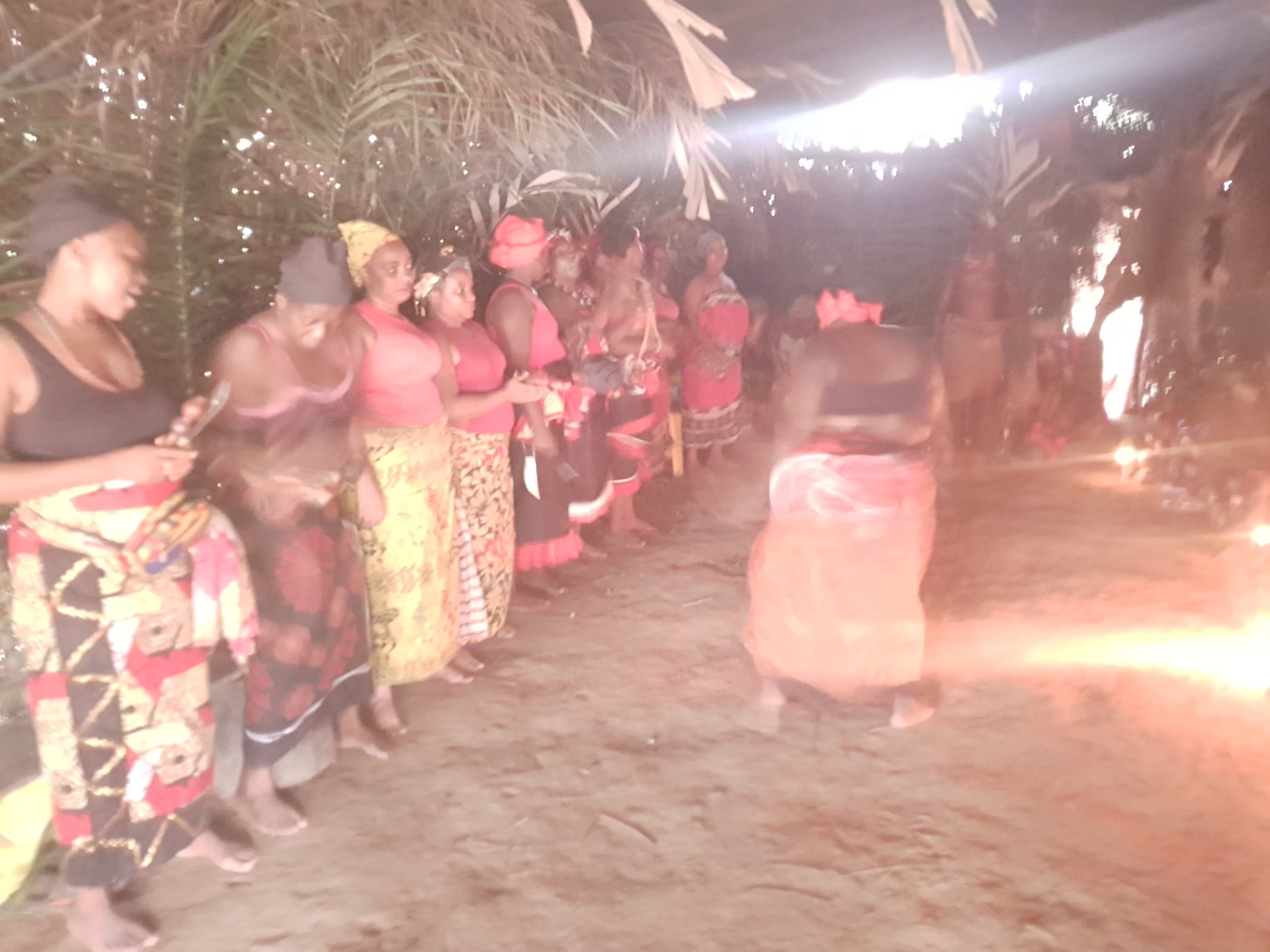
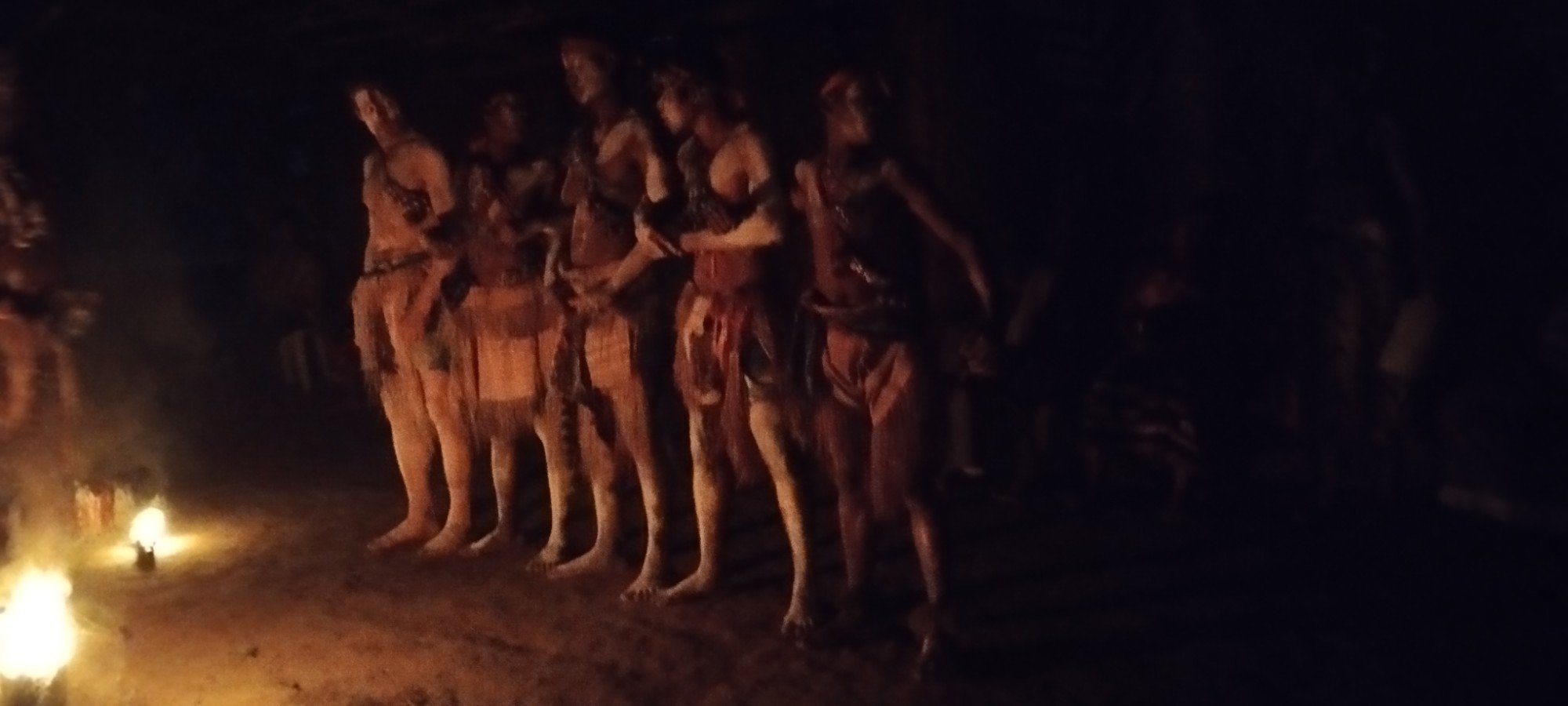
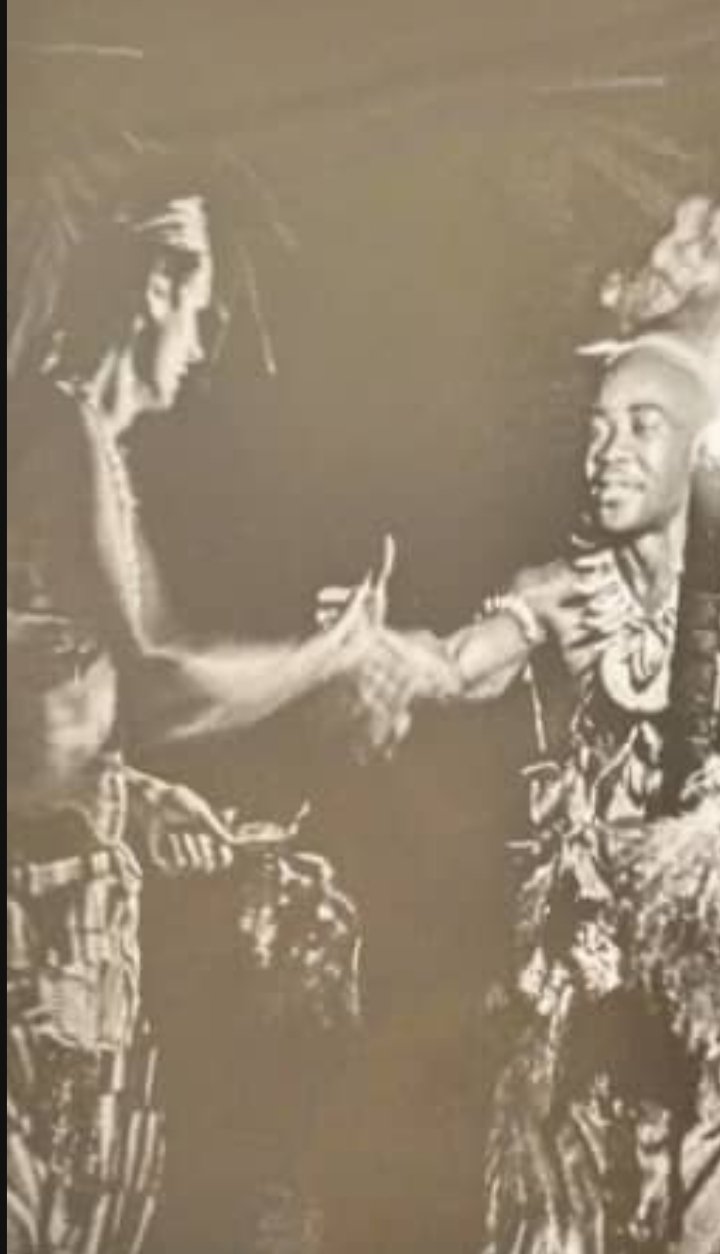
The night unfolds to the sound of the Mogongo: the Pygmy mouth bow, sometimes described as one of the earliest forms of jaw harp in the world.
During the day, you rest, confide in one another, and listen to the sacred eight-stringed harp of the ancestors: the Ngombi.
You will discover how a certain heritage from the old world is transmitted and transformed.
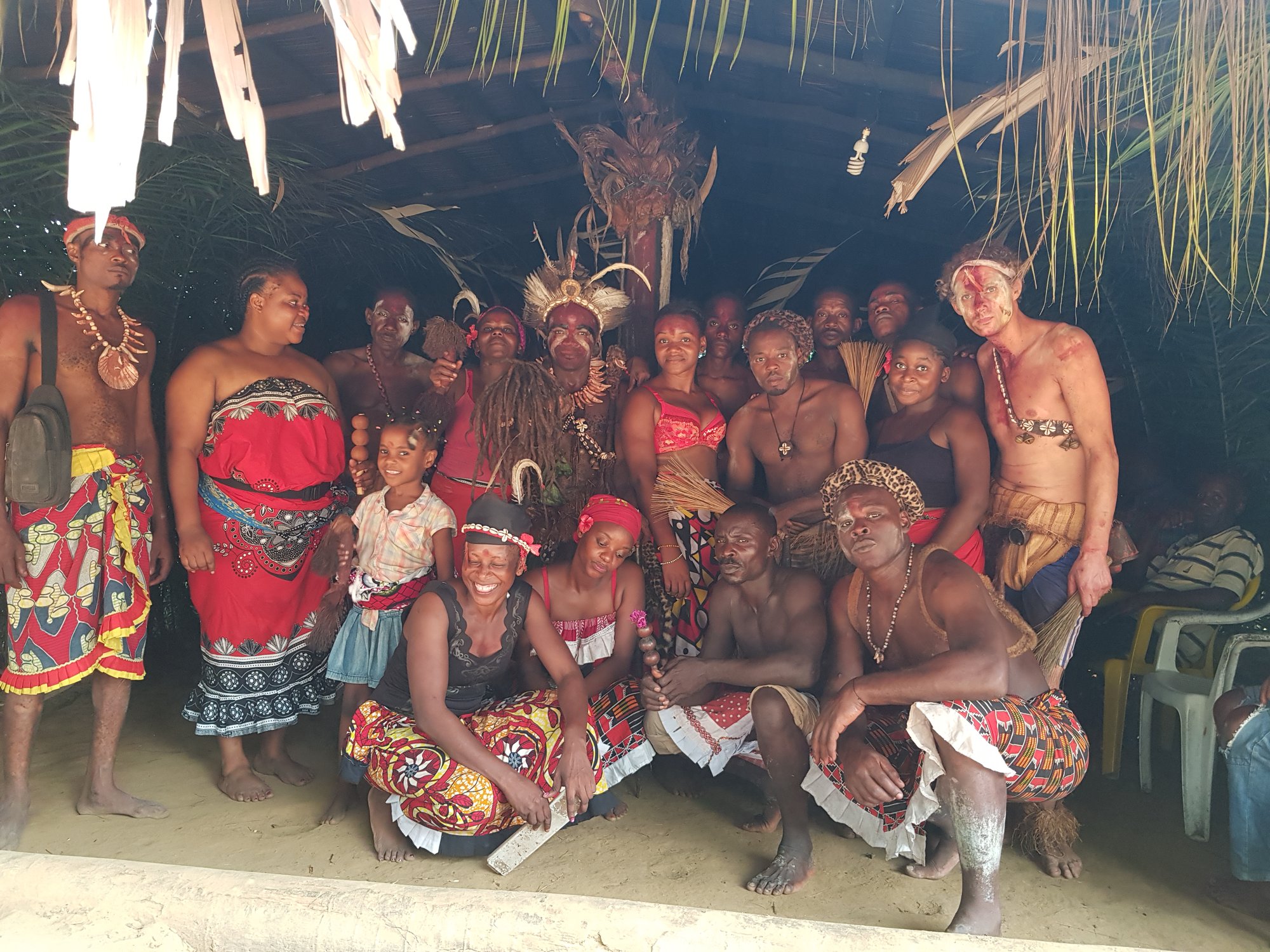
The people who gravitate around Assossa are kind and respectful.
Your requests and questions are taken into consideration at every moment.
Remember that you are the conductor. You must express yourself in detail: this is an essential dimension of Bwiti and the support offered.
The Inner Journey
Expressing what is buried deep within ourselves.
Putting words to our deepest fears and traumas, allowing what needs to be heard and accepted to surface.
Embarking on a path toward inner peace and making peace with ourselves.
Then, each person can continue their journey in the world as they see fit, and continue to discover the different stages of Bwiti...
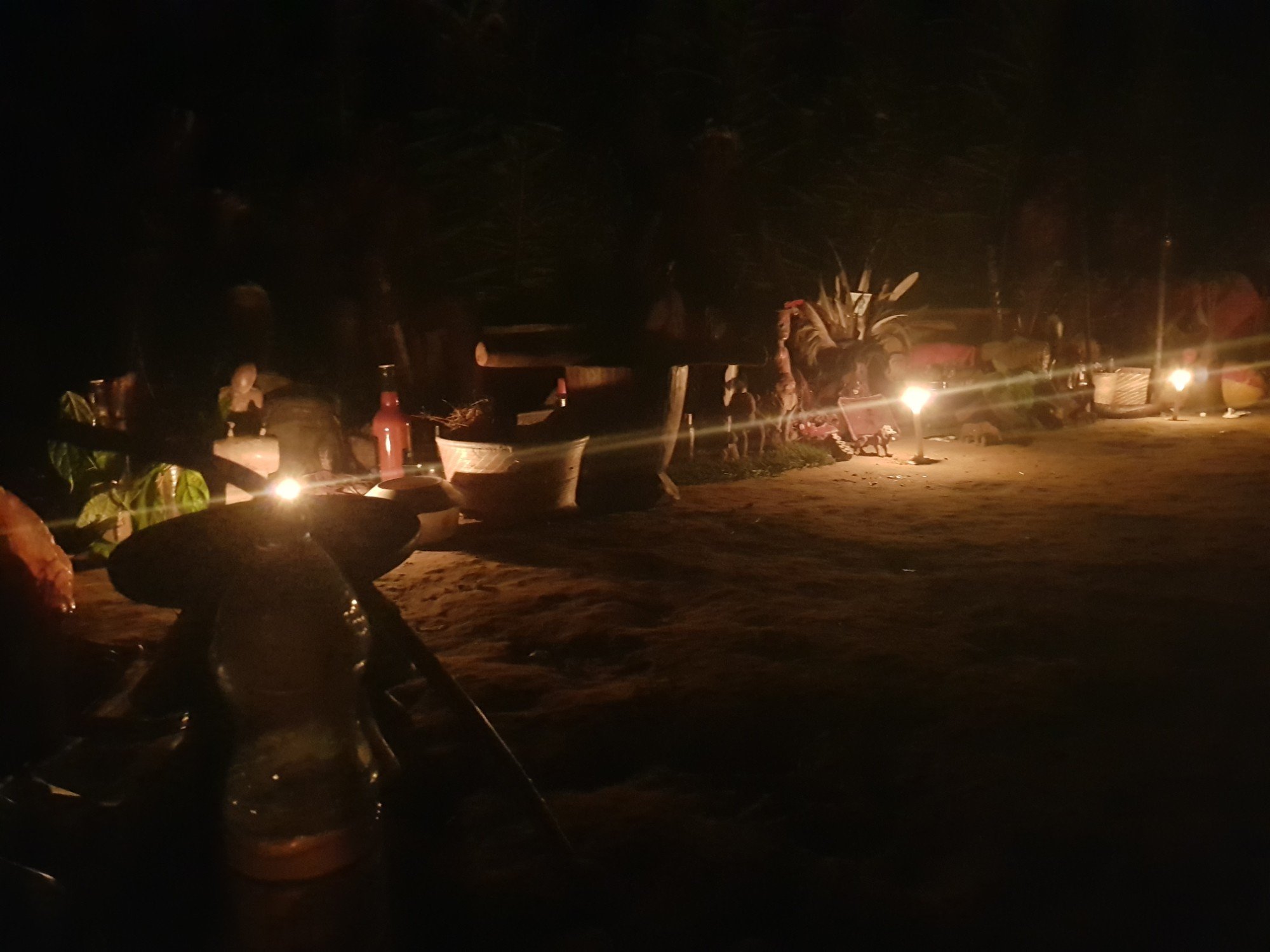
The corps de garde and the Bwenze
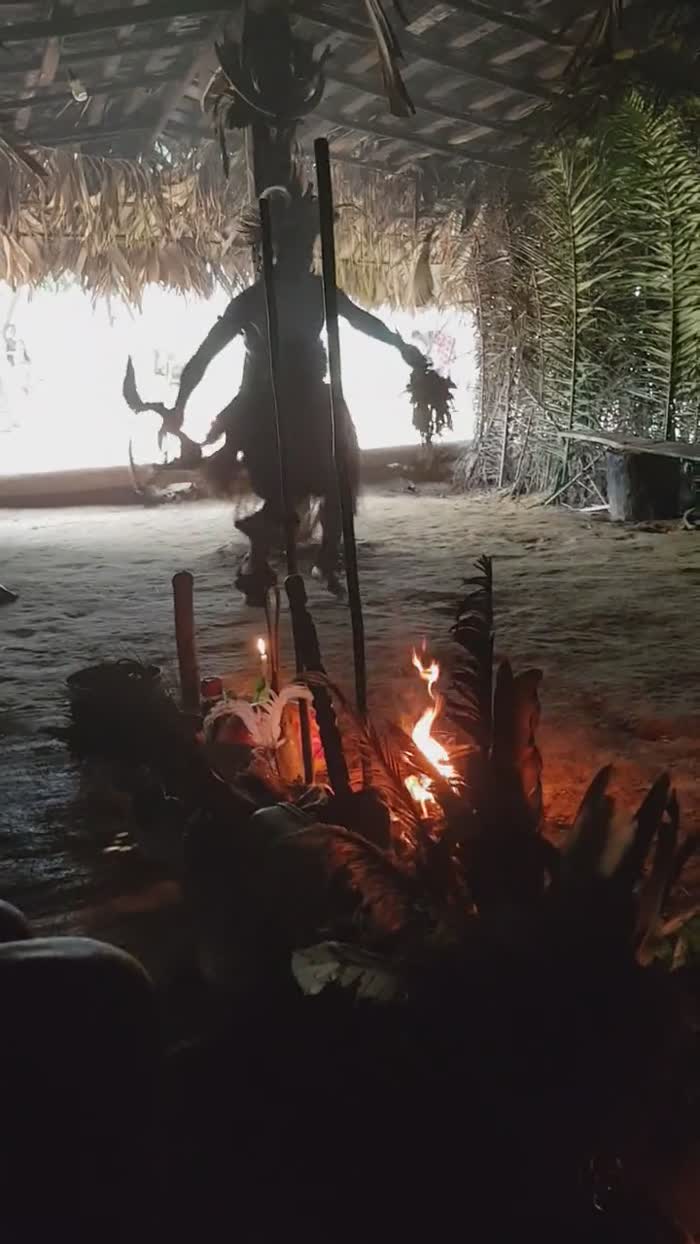
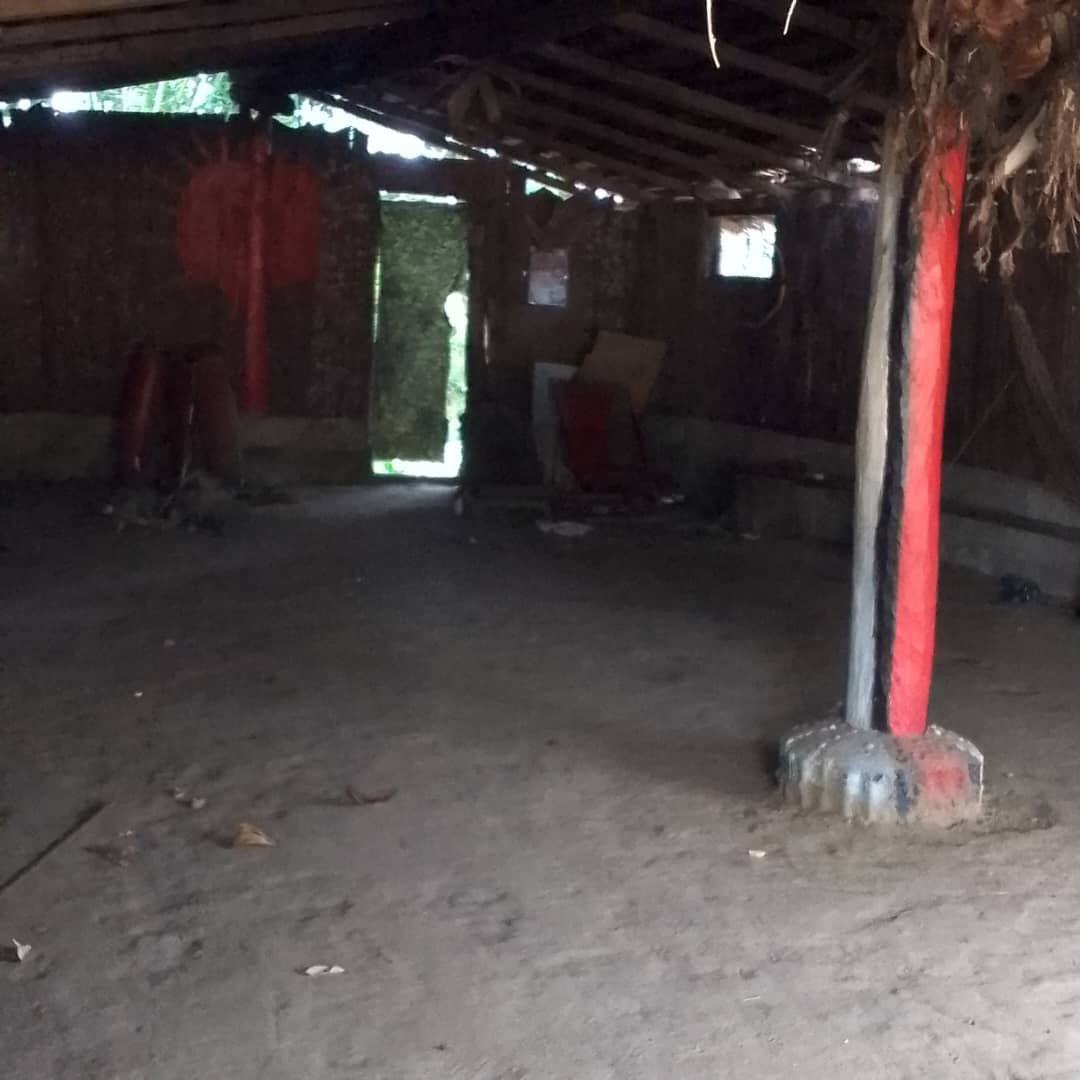
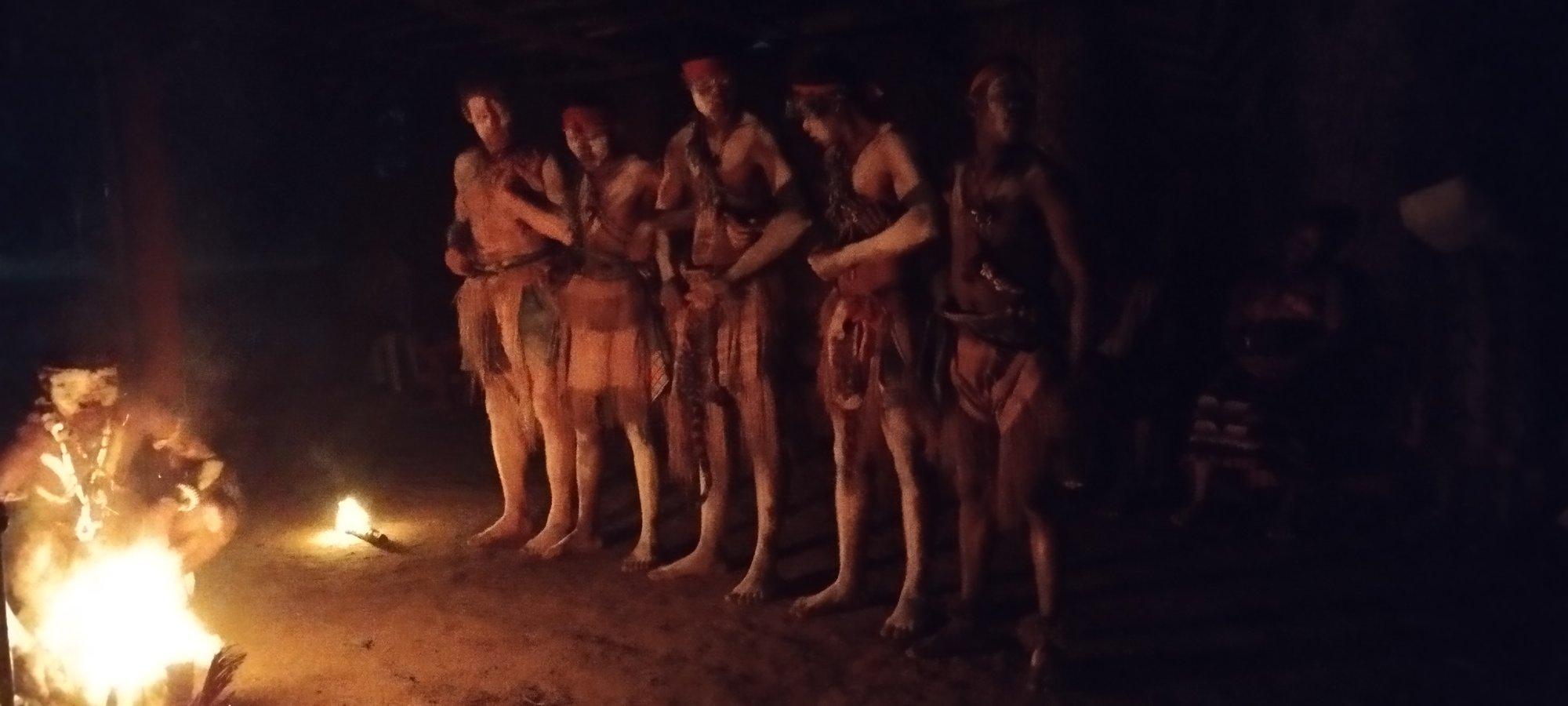
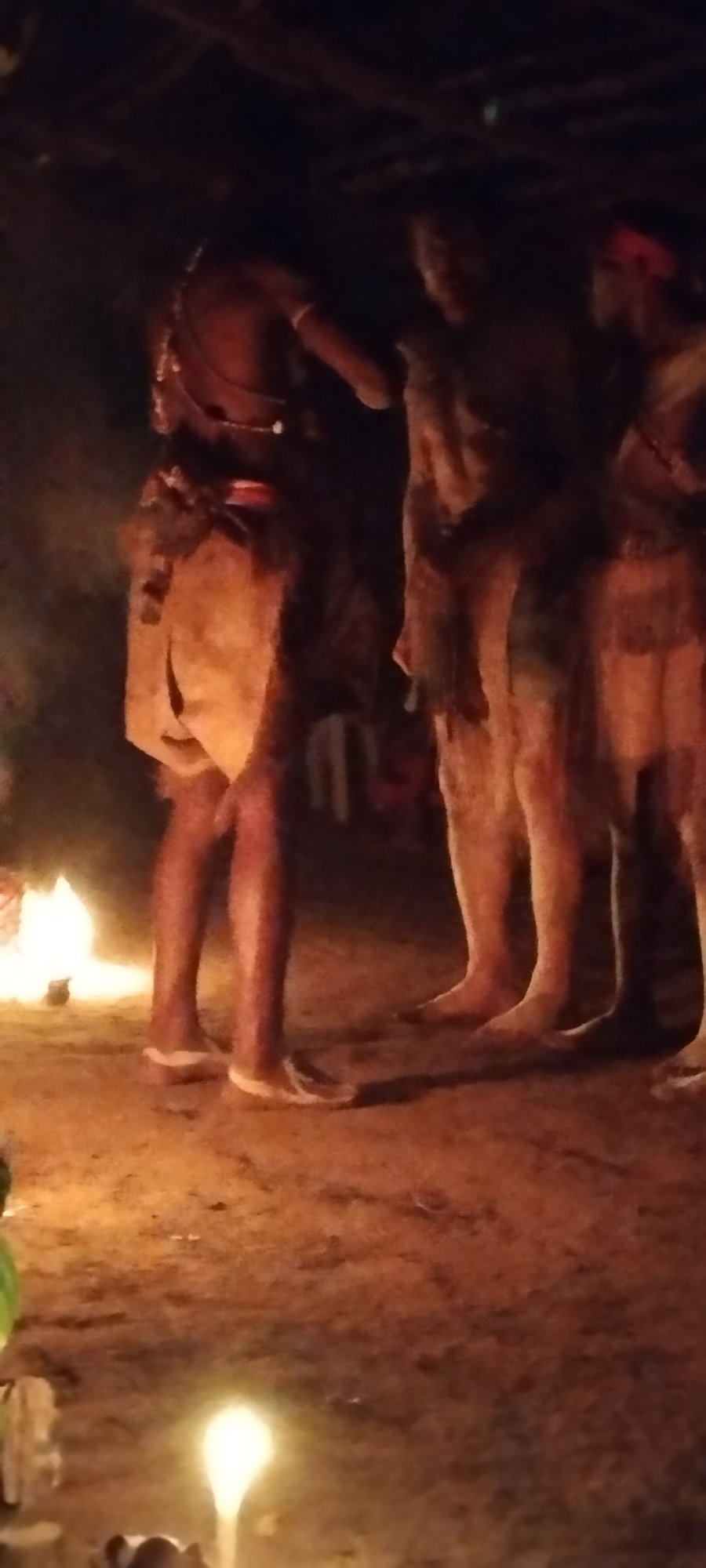
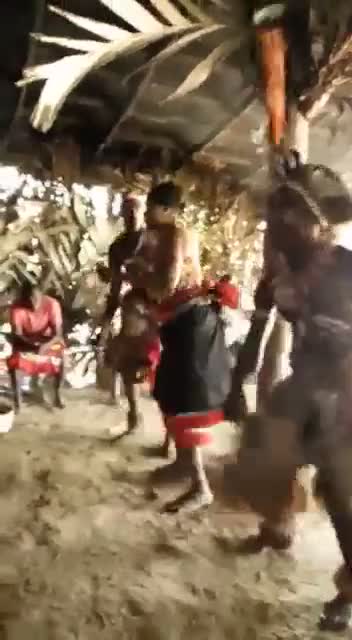
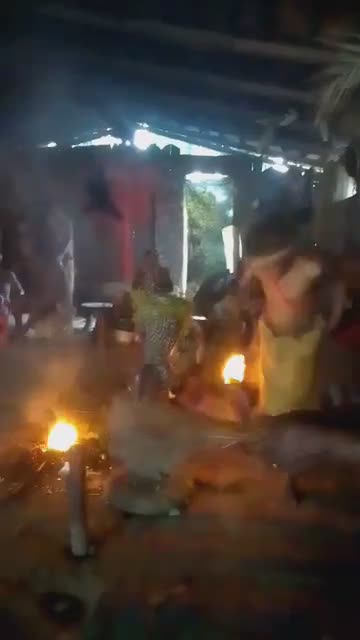
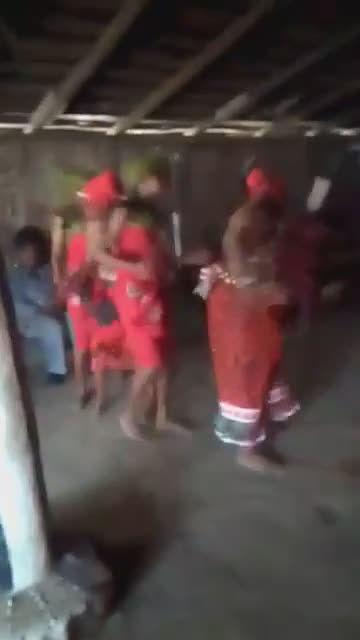
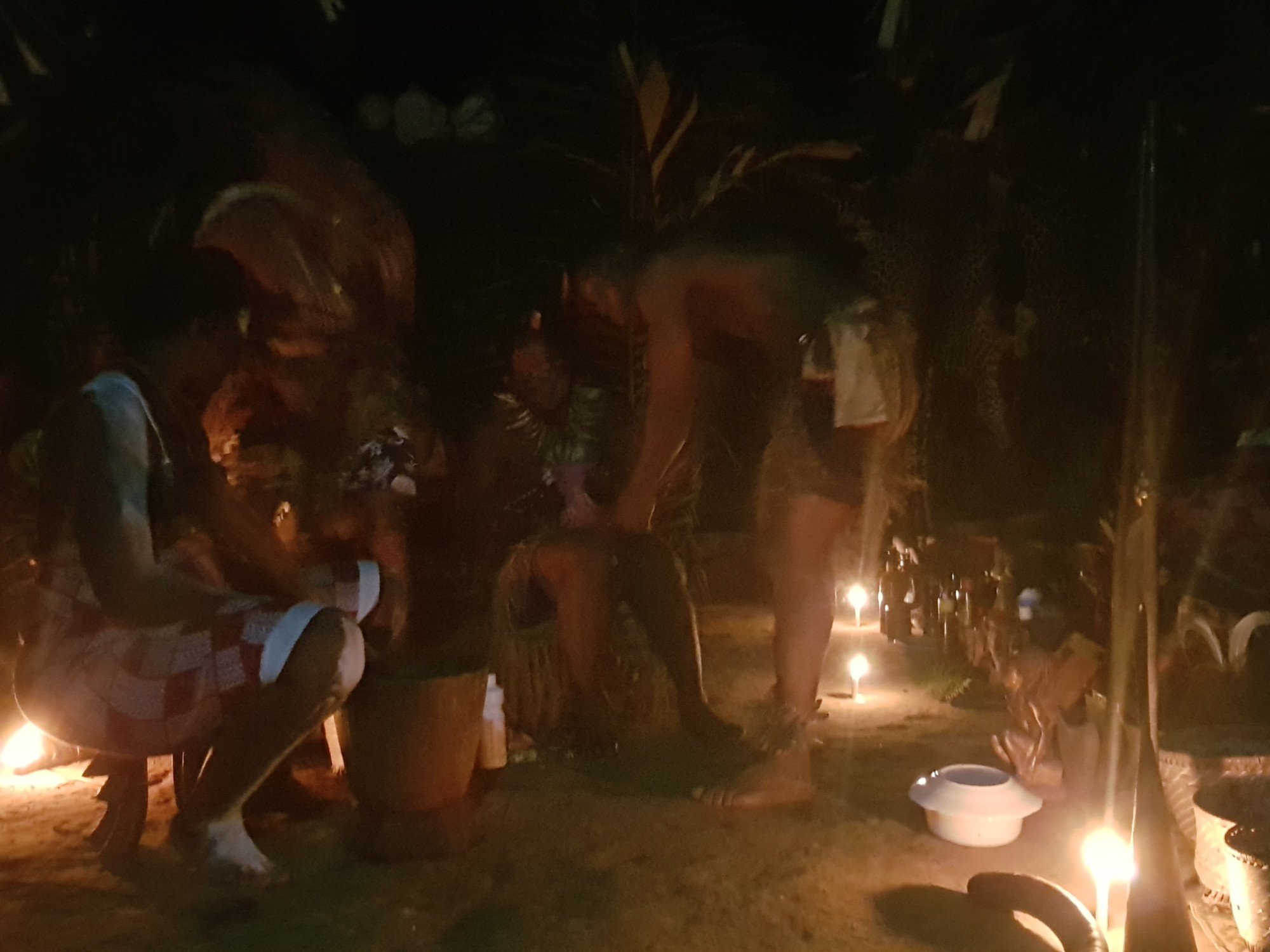
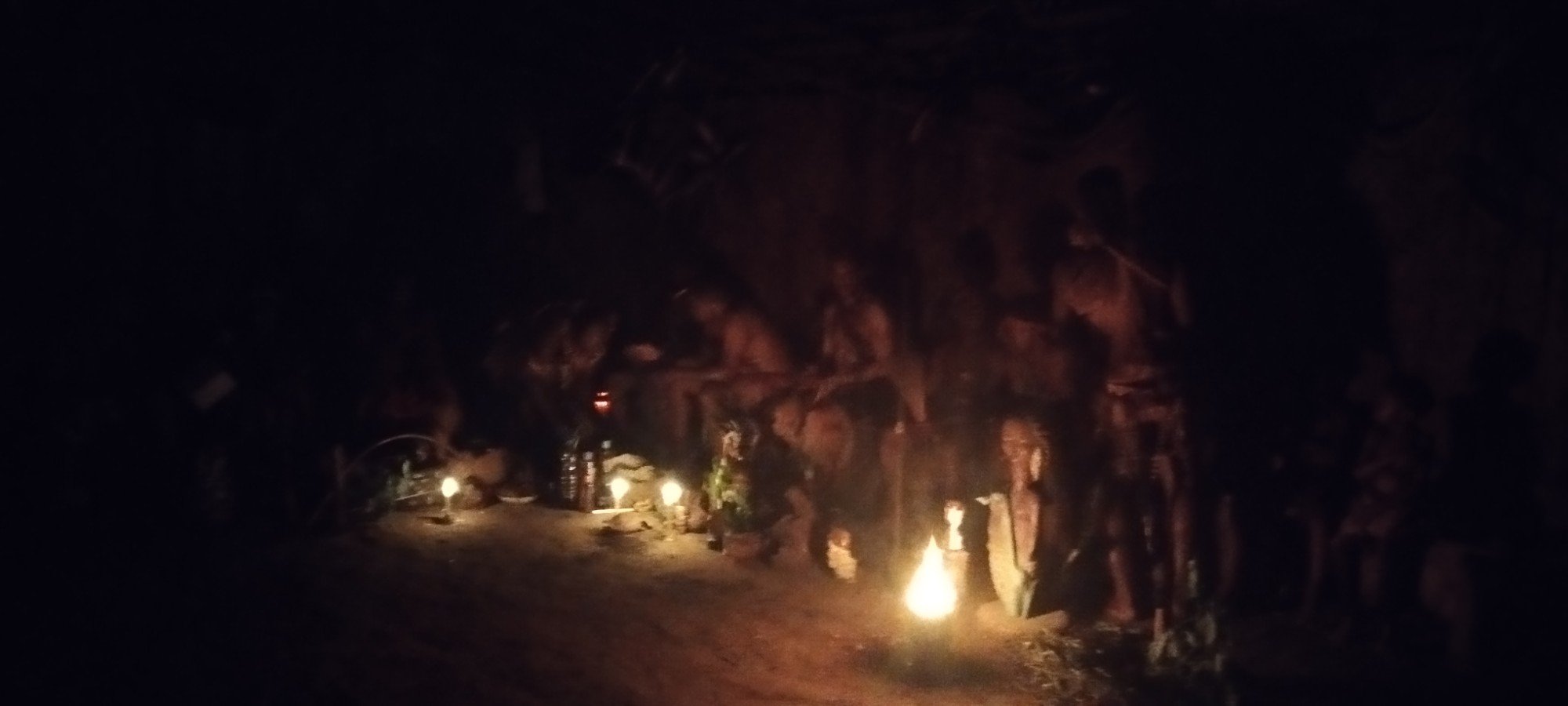
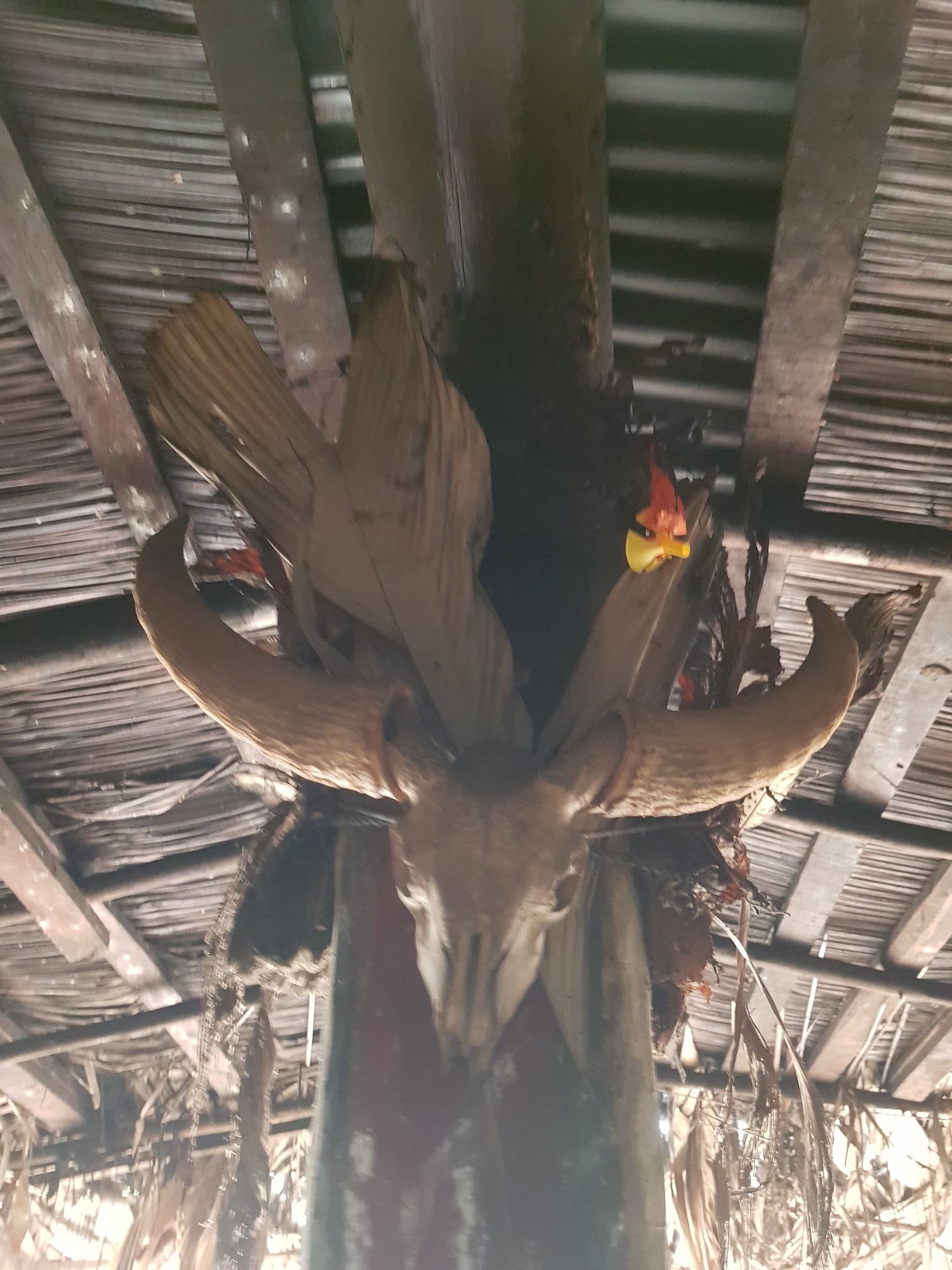
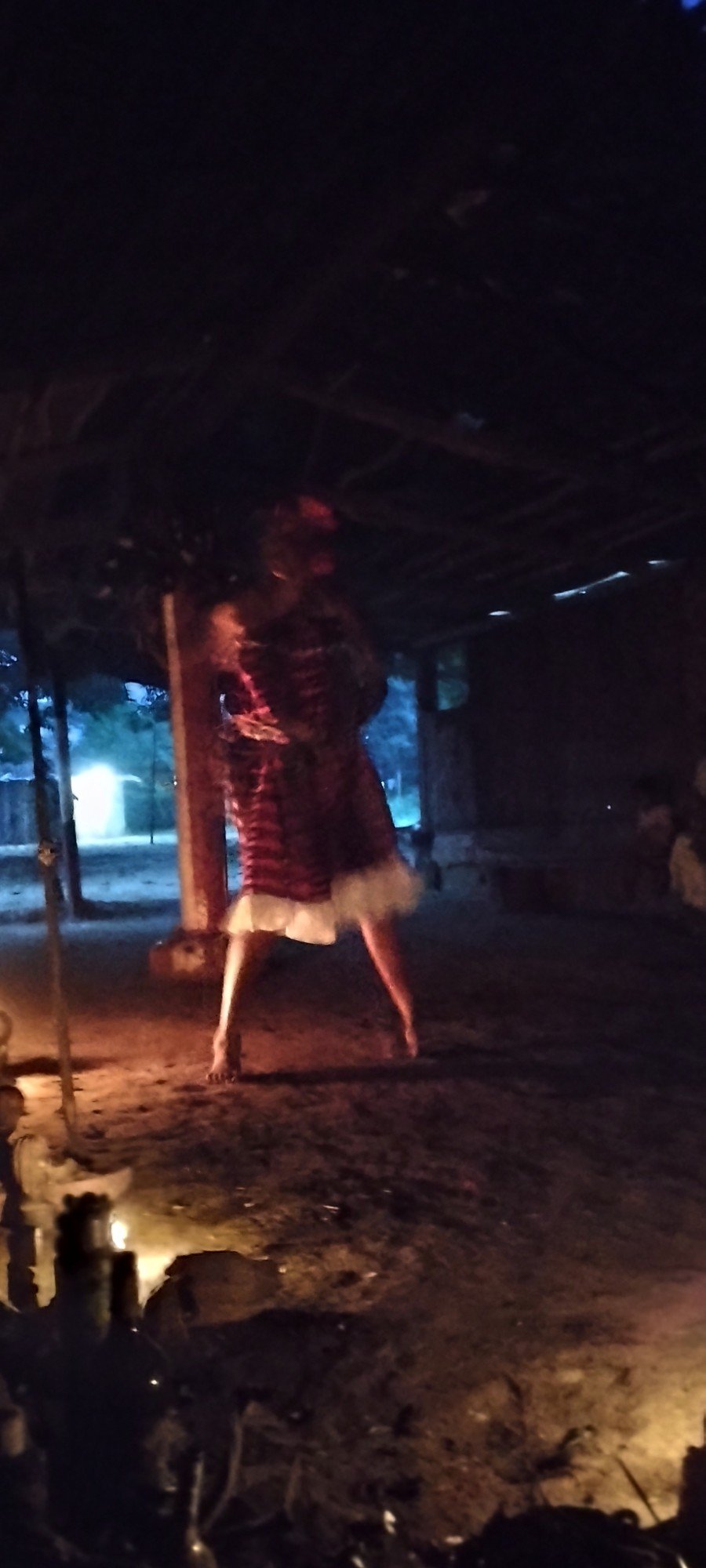
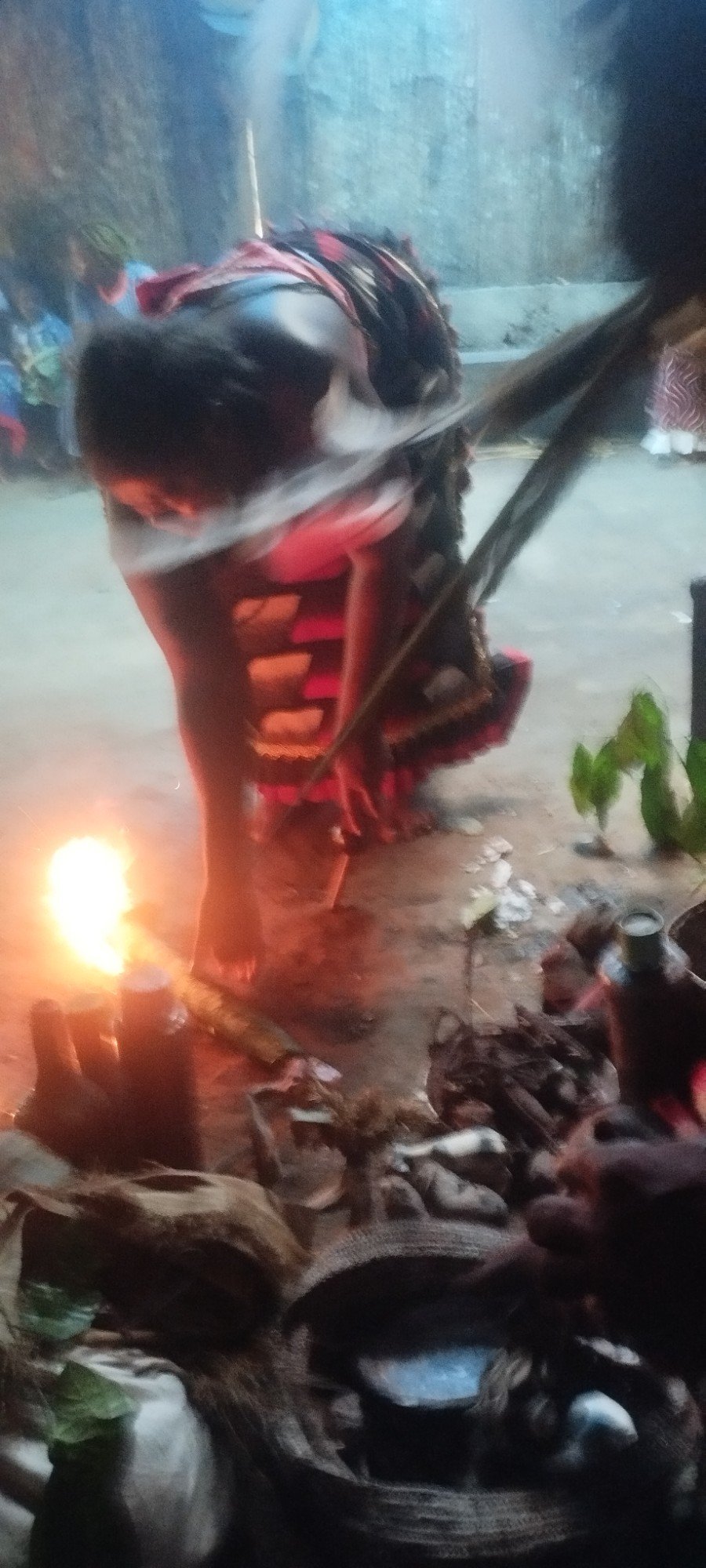
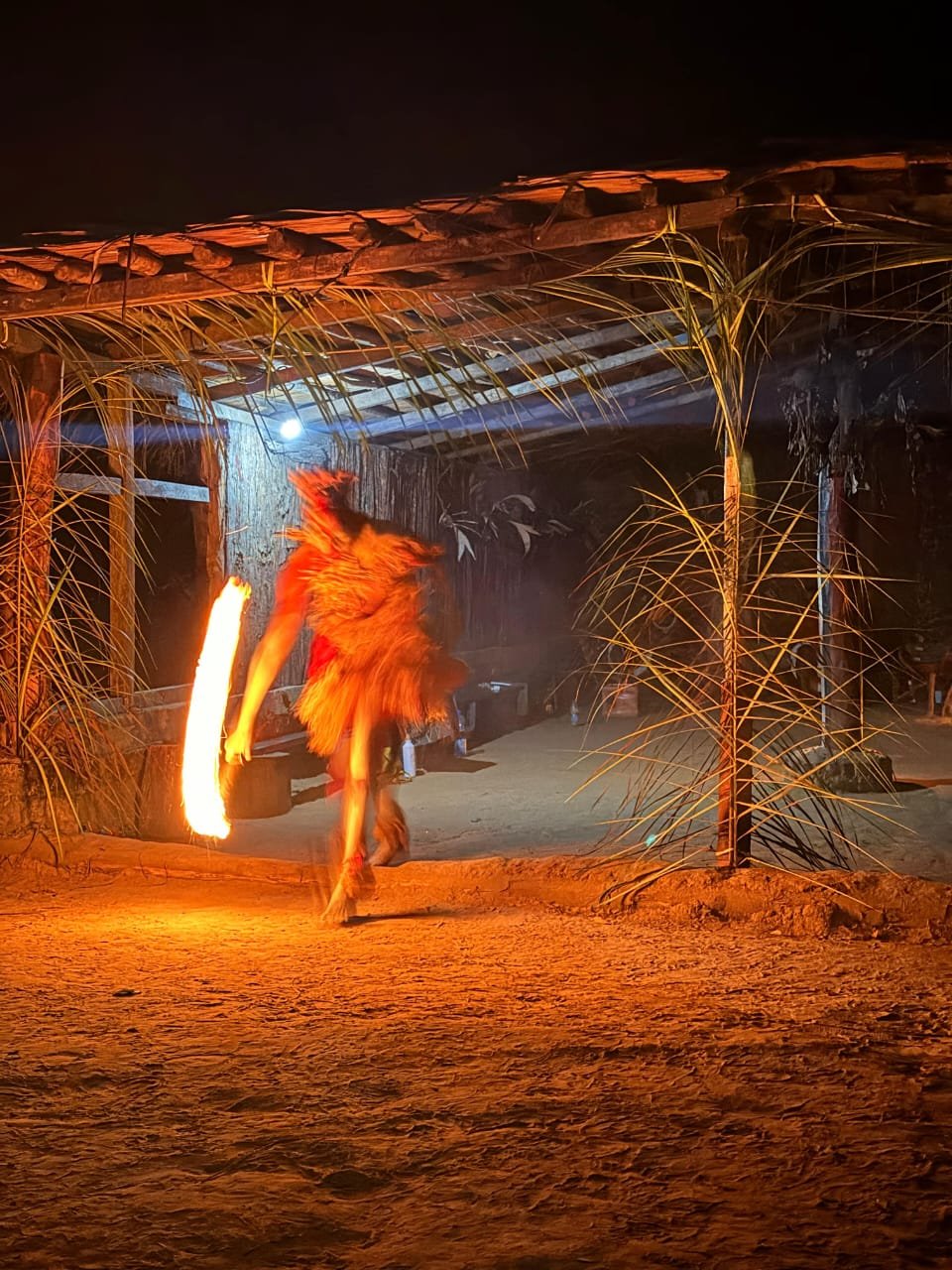
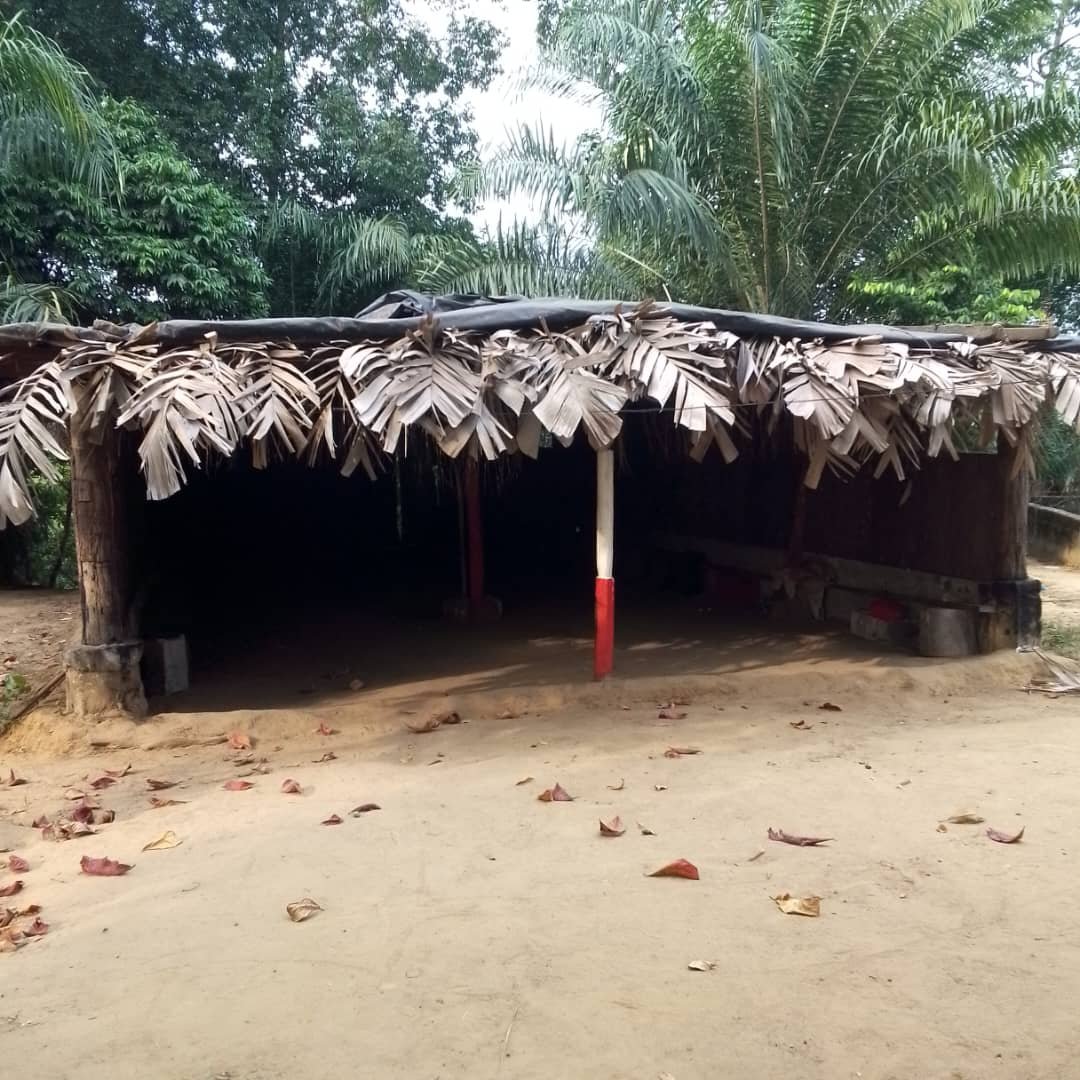
In the middle of the clearing stands the guardhouse—a large, low-roofed wooden shed—where evening gatherings take place.
It is the heart of the village:
A place where the sick sleep throughout their entire initiation, remaining there until they are permitted to leave;
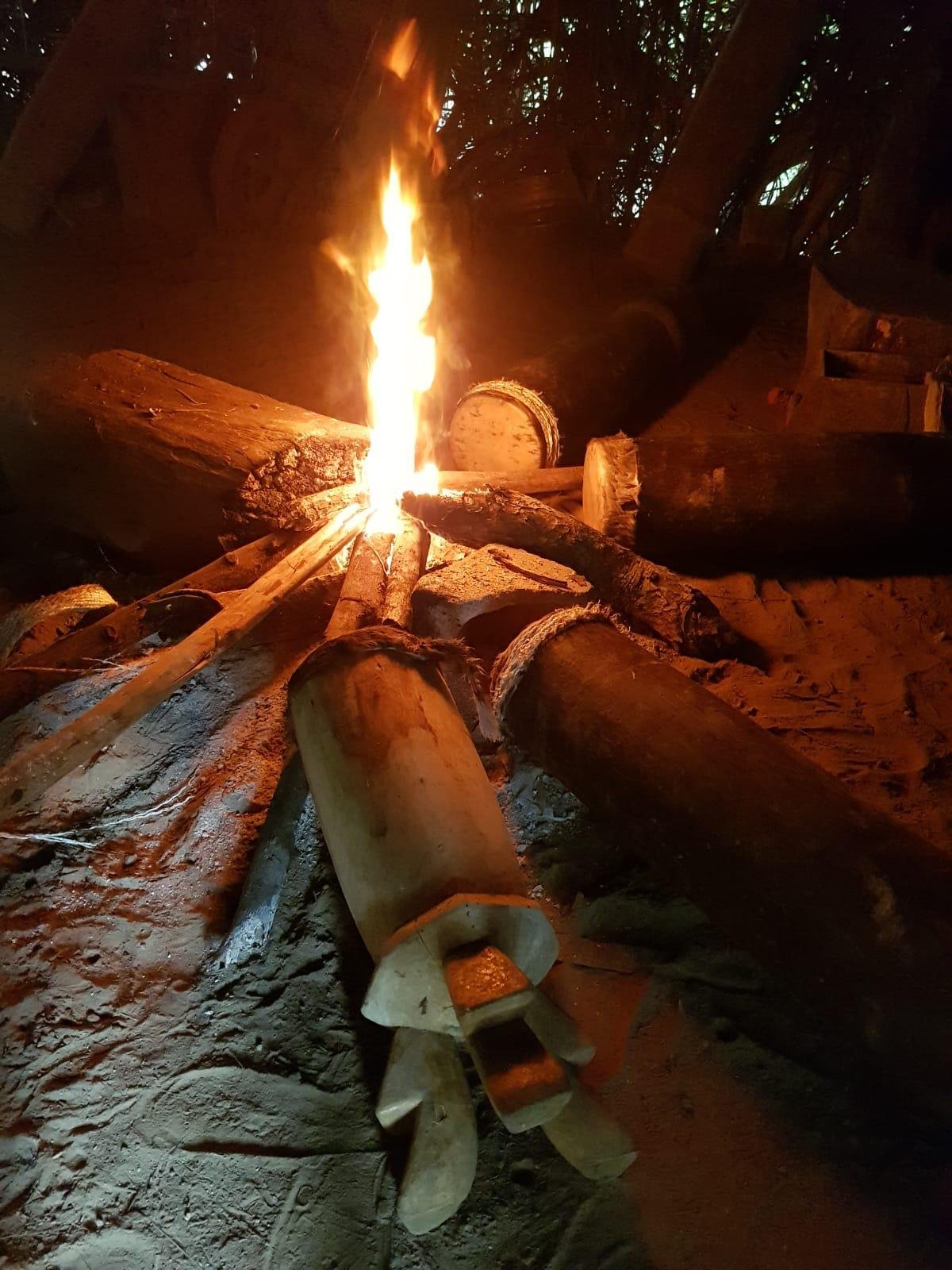
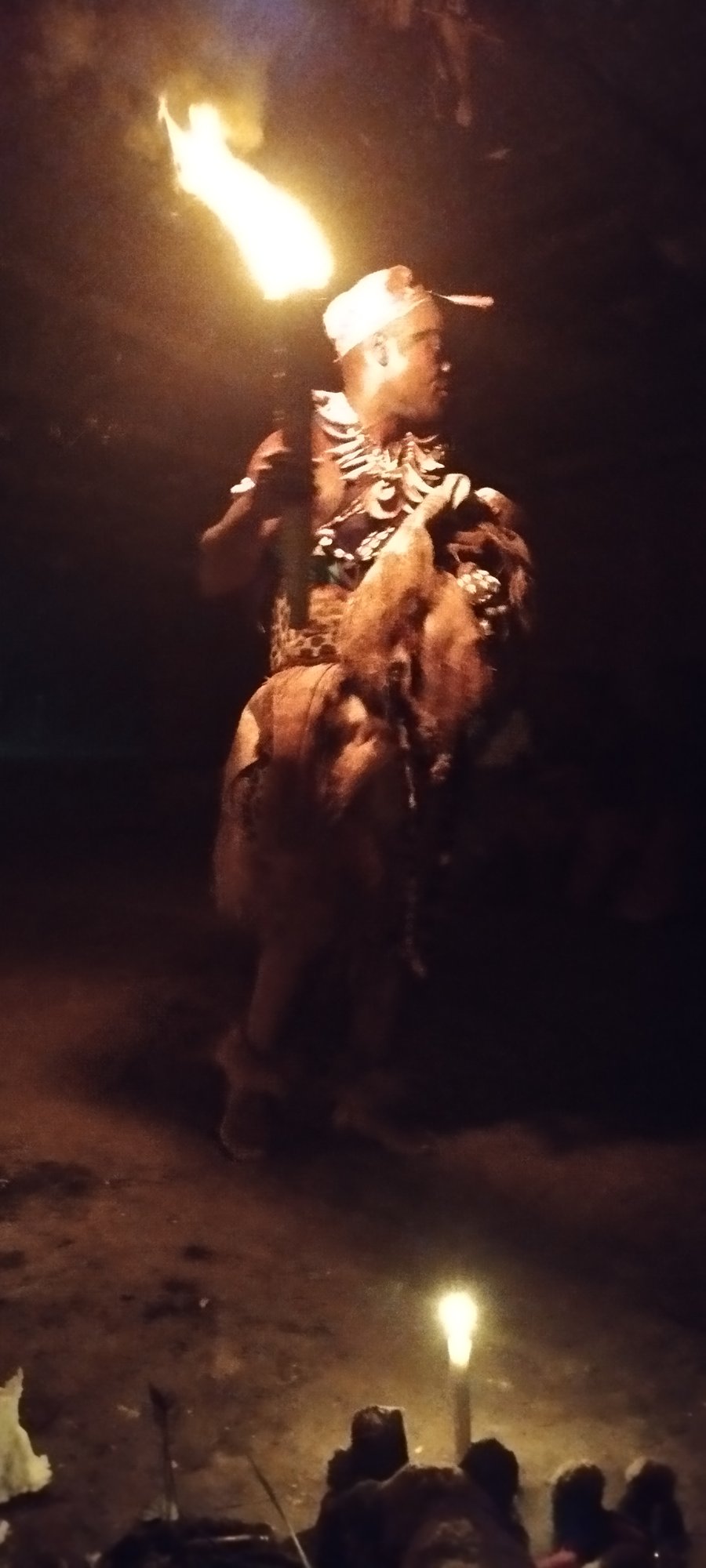
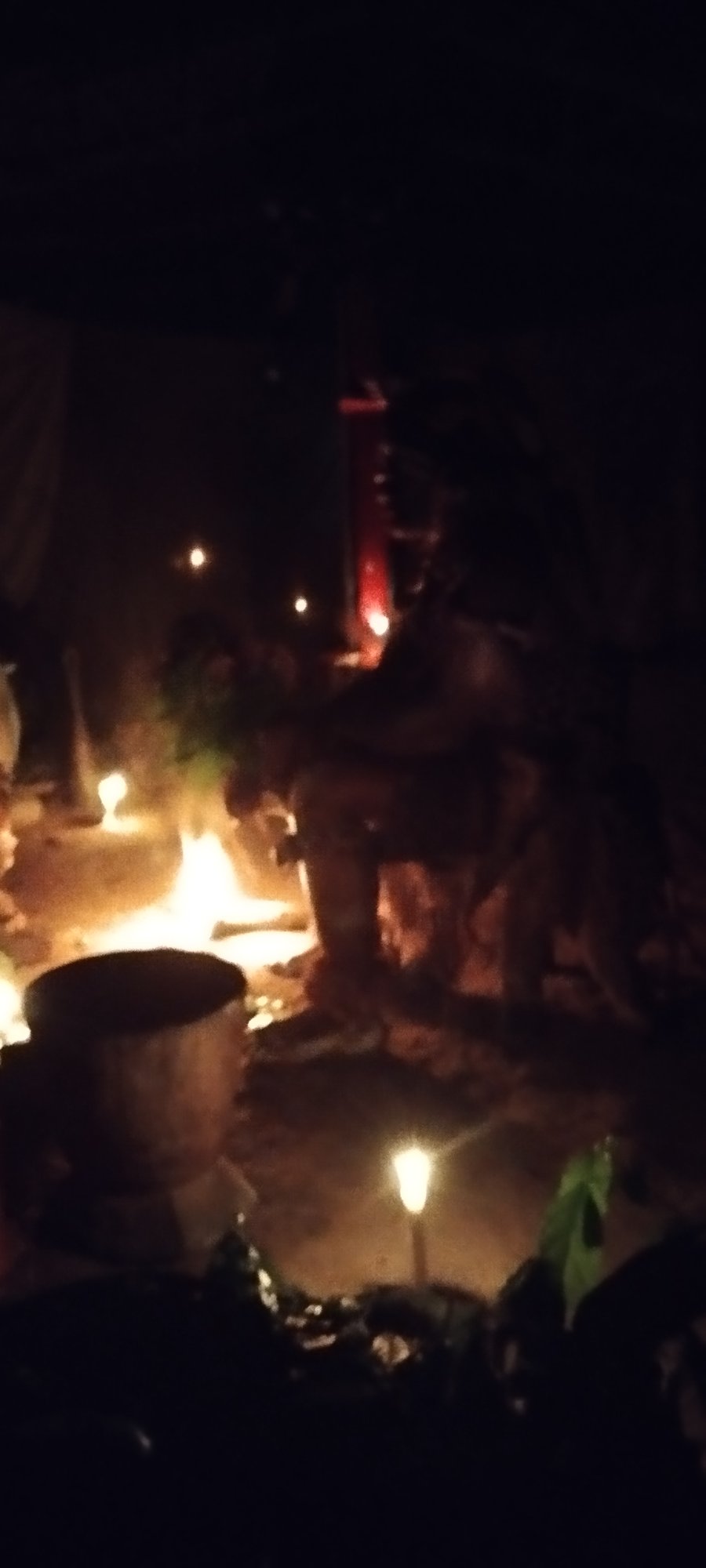
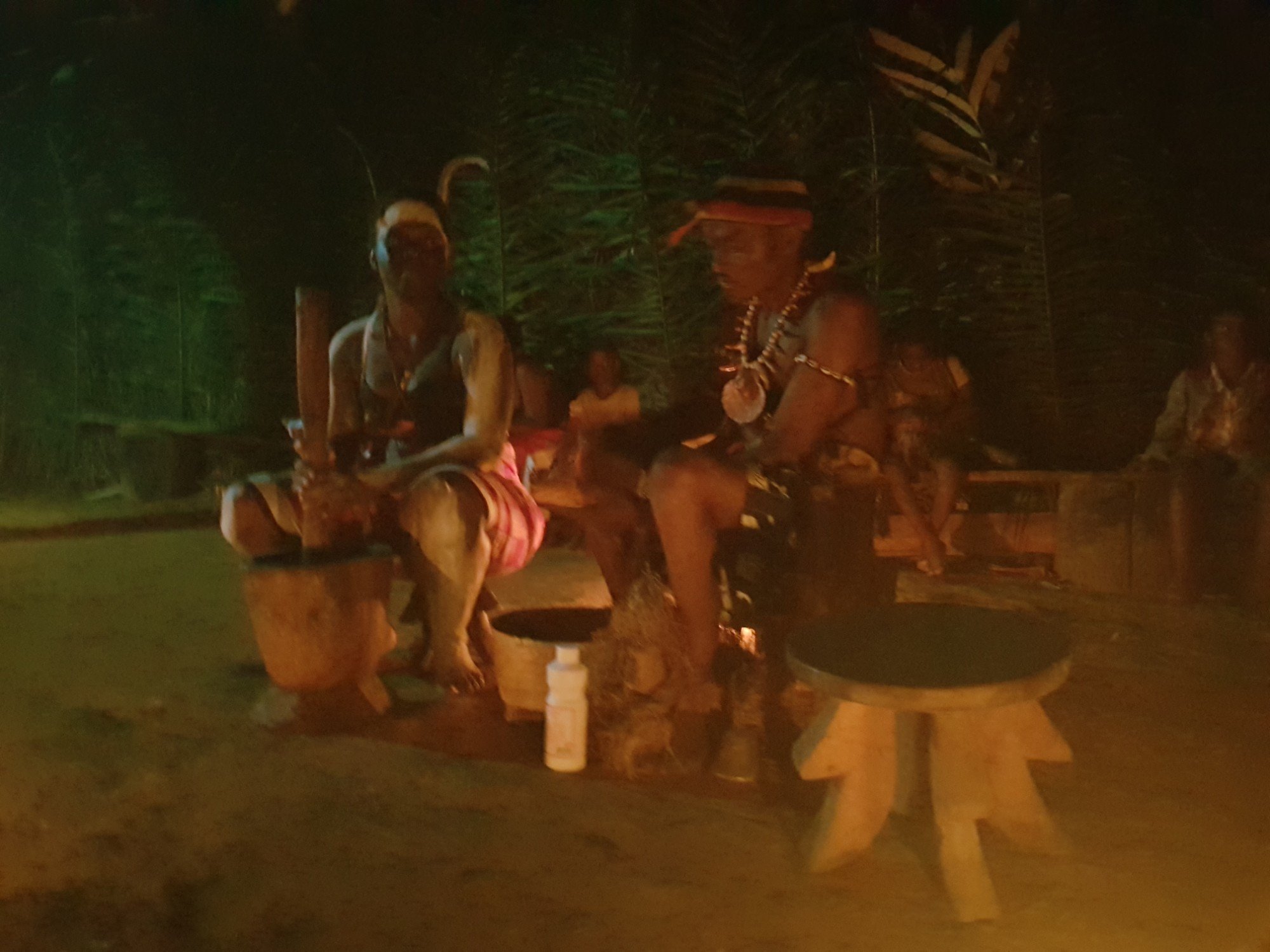
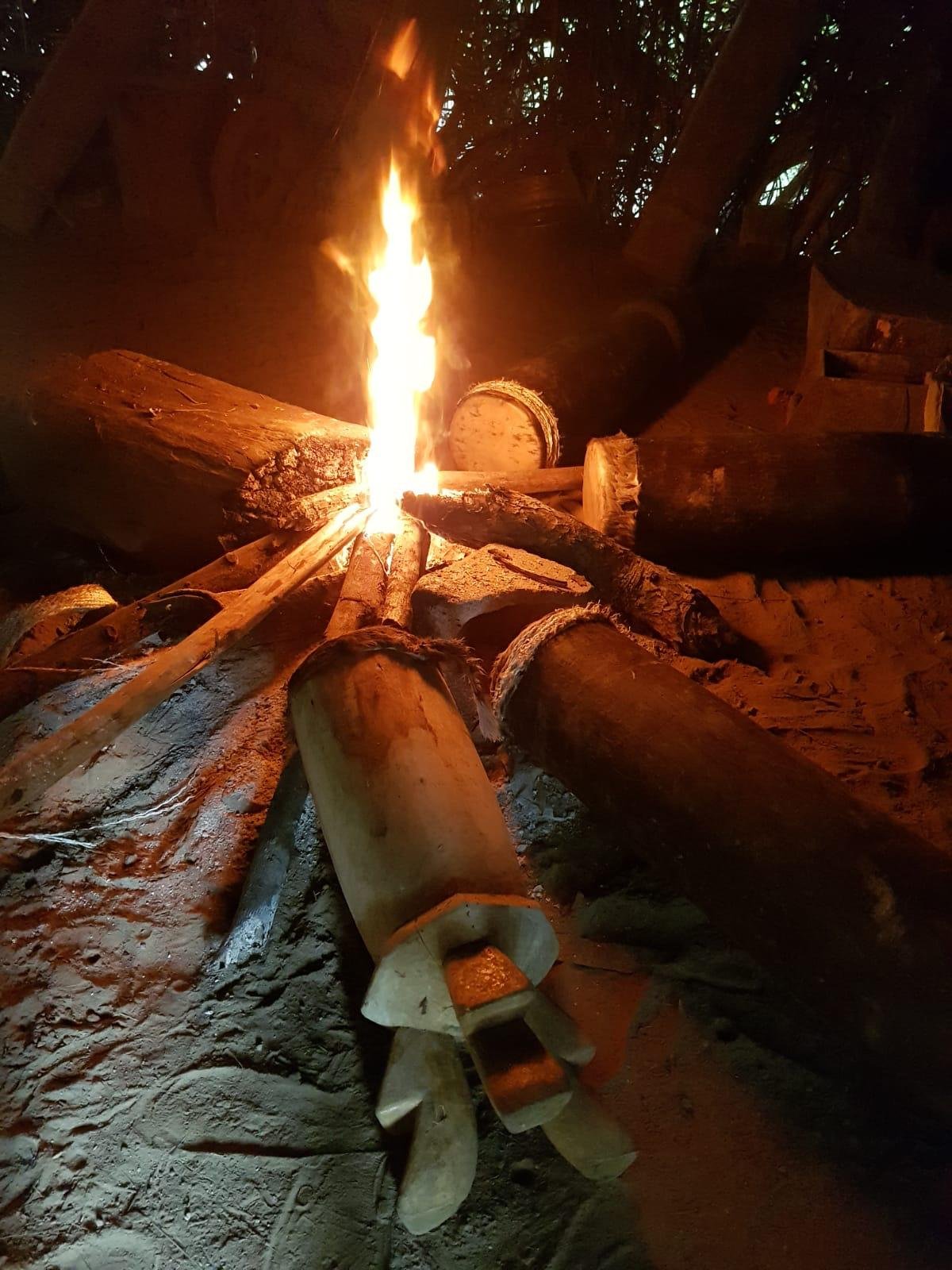
A place where consultations and evening gatherings are held, and where people sit by the fire to discuss the affairs of the world.
It is the Pygmy version of a "palaver tree."
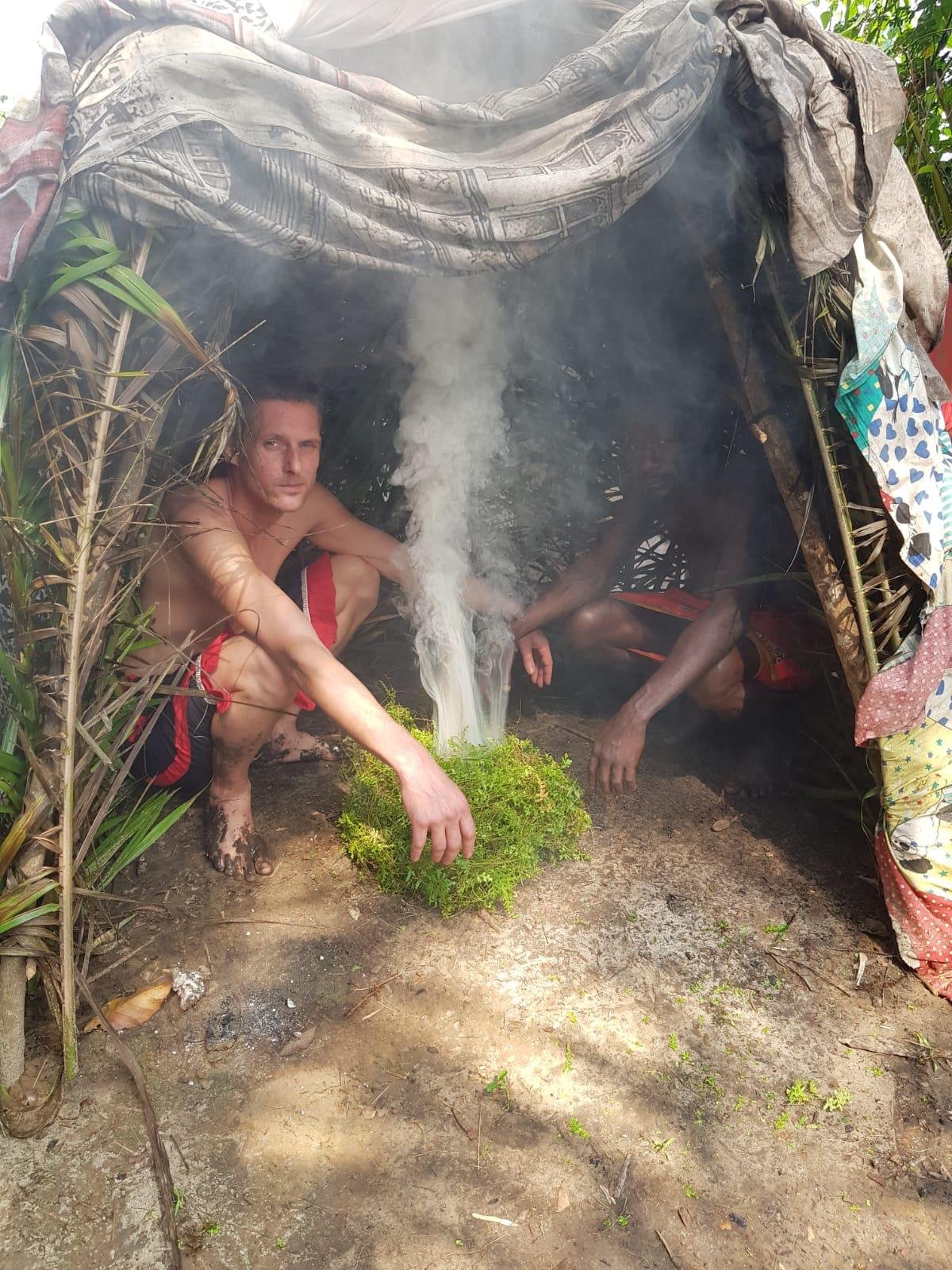
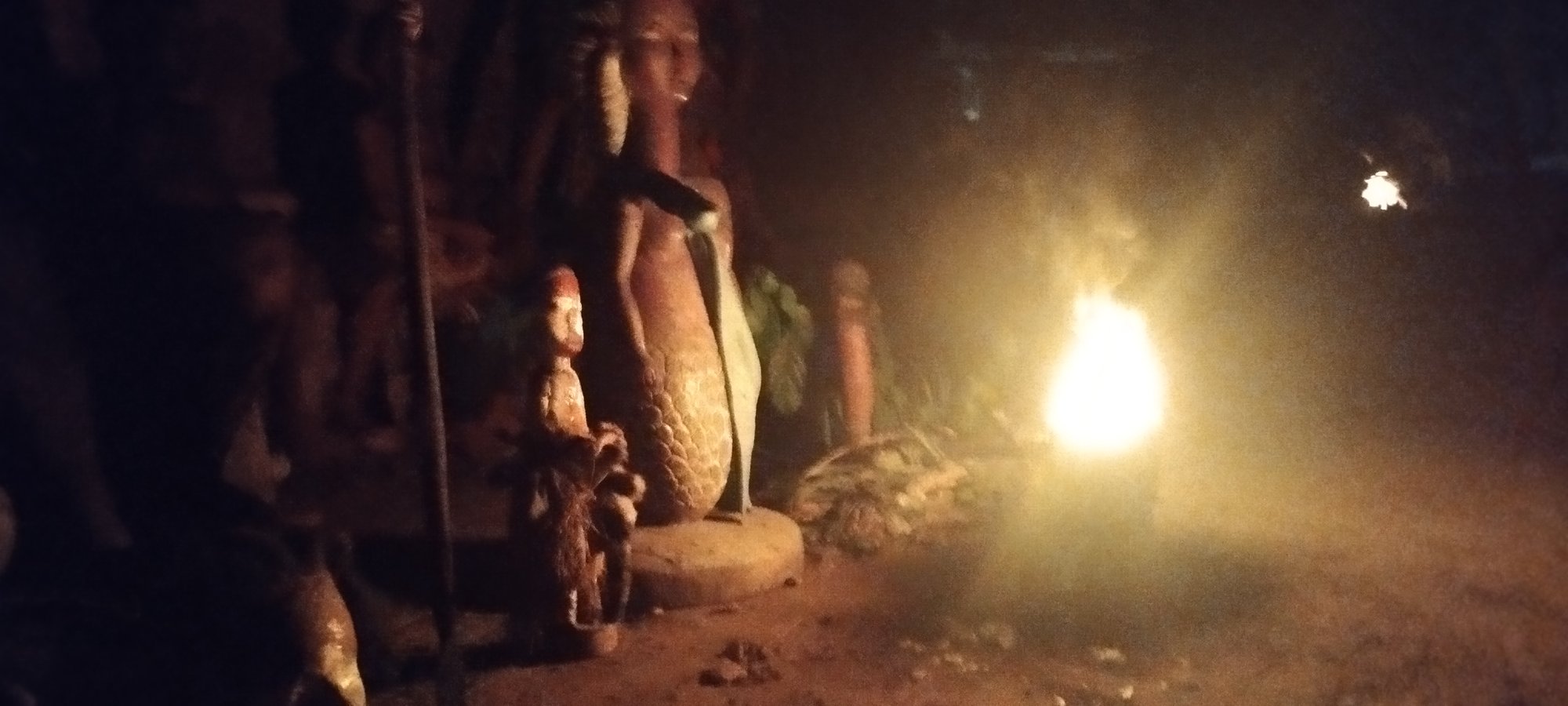
Further back, at the edge of the clearing near the inlet, lies the Bouènzè—a hidden, enclosed, and restricted courtyard. Here, the men gather after the evening sessions—often early in the morning—to hold discussions, exchange ideas, administer treatments, and engage in many other activities kept strictly secret.
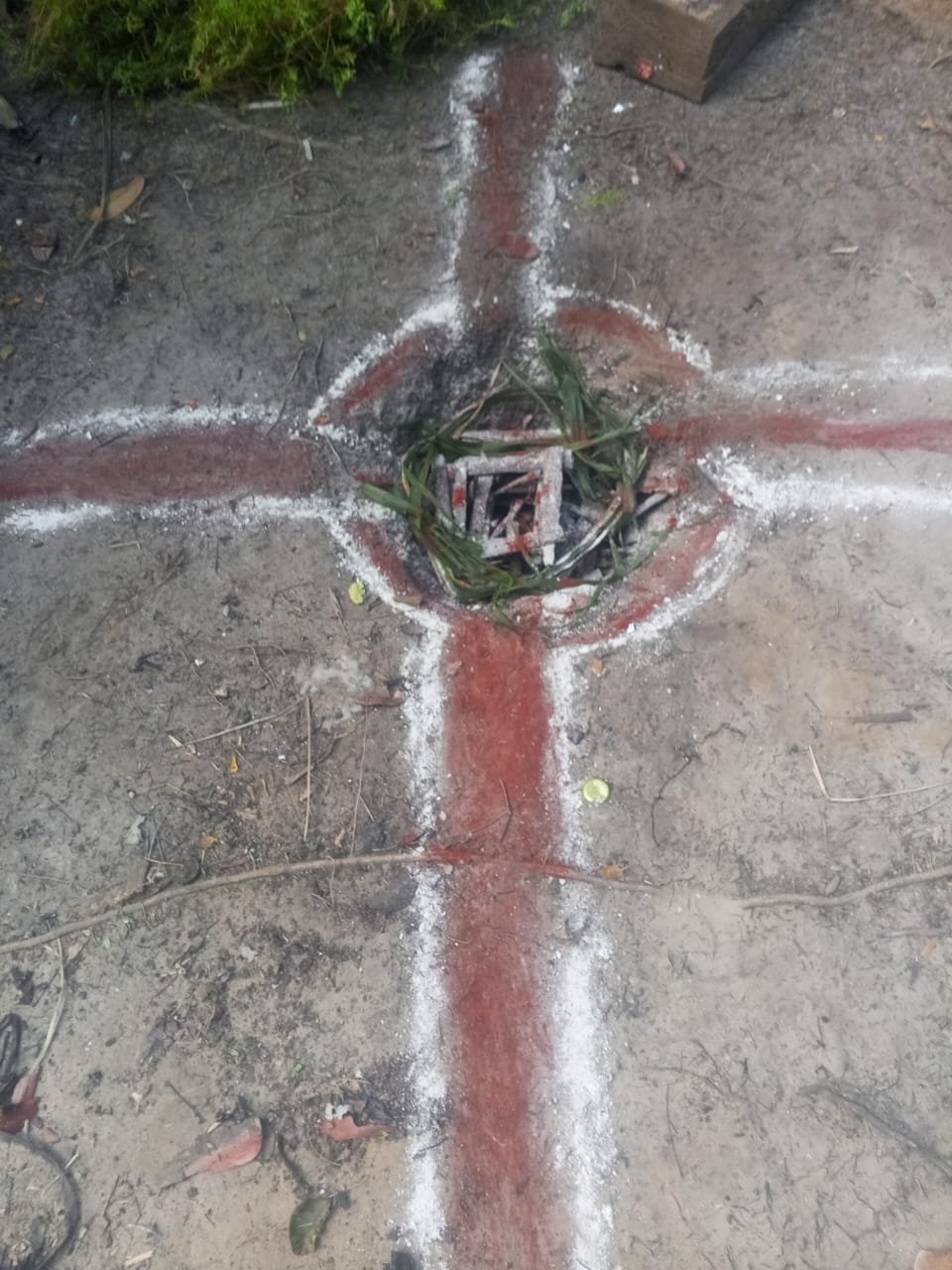
This is also where the Ifoulou is found: a Pygmy-style sweat lodge...
Mokombo, the scribe of Tsango
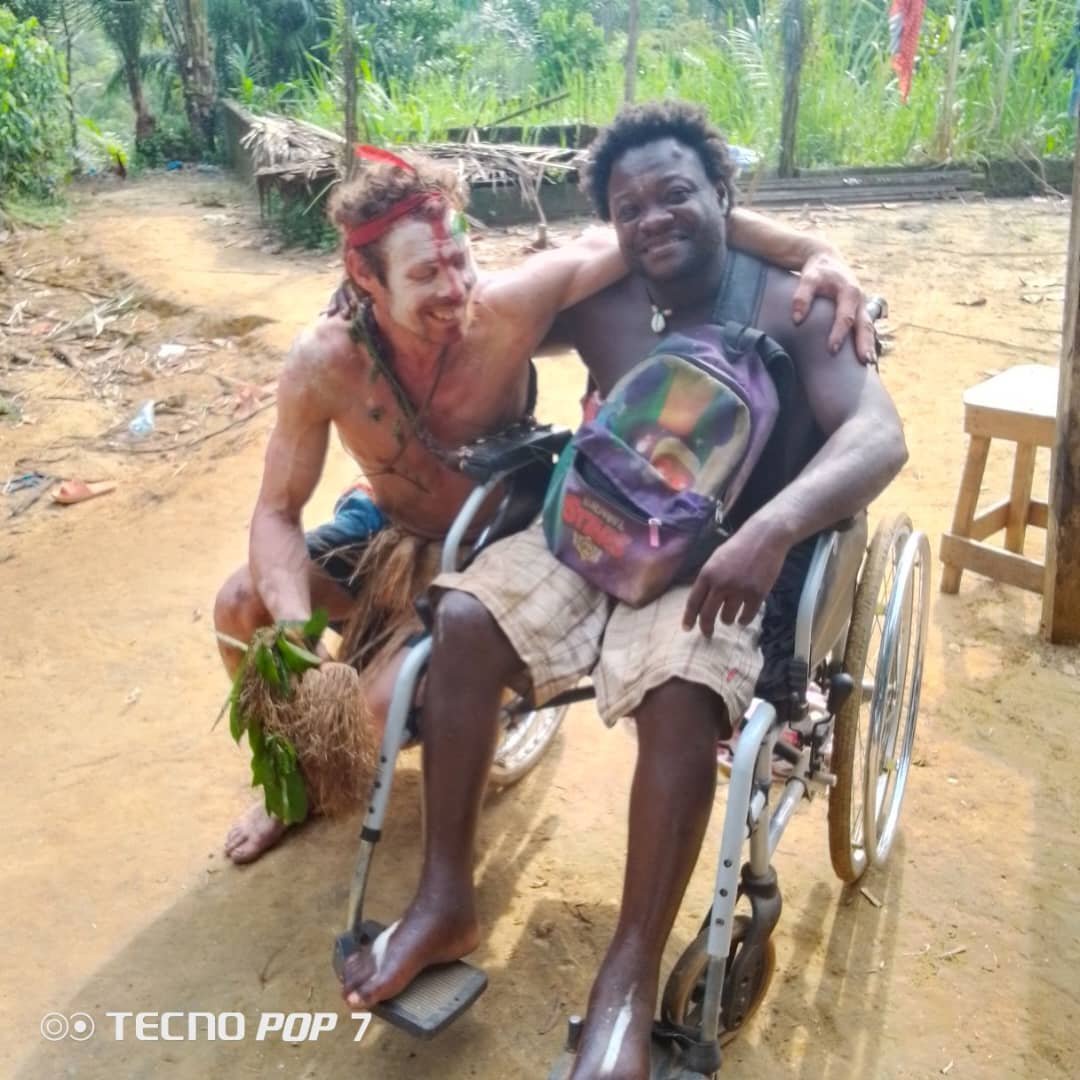
You are about to meet a man named Mokombo.
Mokombo is the one who goes around, or the one who makes the spirits sit: the kombos, the name given to initiates during rituals.
This Pygmy man has lived in a wheelchair since he was very young. Yet he has walked before.
He is the Scribe of Tsango.
In utmost secrecy, he is writing the world's first Puvi (Pygmy language) – French dictionary, in a few notebooks carefully preserved, protected from the rain and, as much as possible, from humidity.
Finding such knowledge in a spirit is as rare as discovering a daffodil on the summit of the Himalayas.
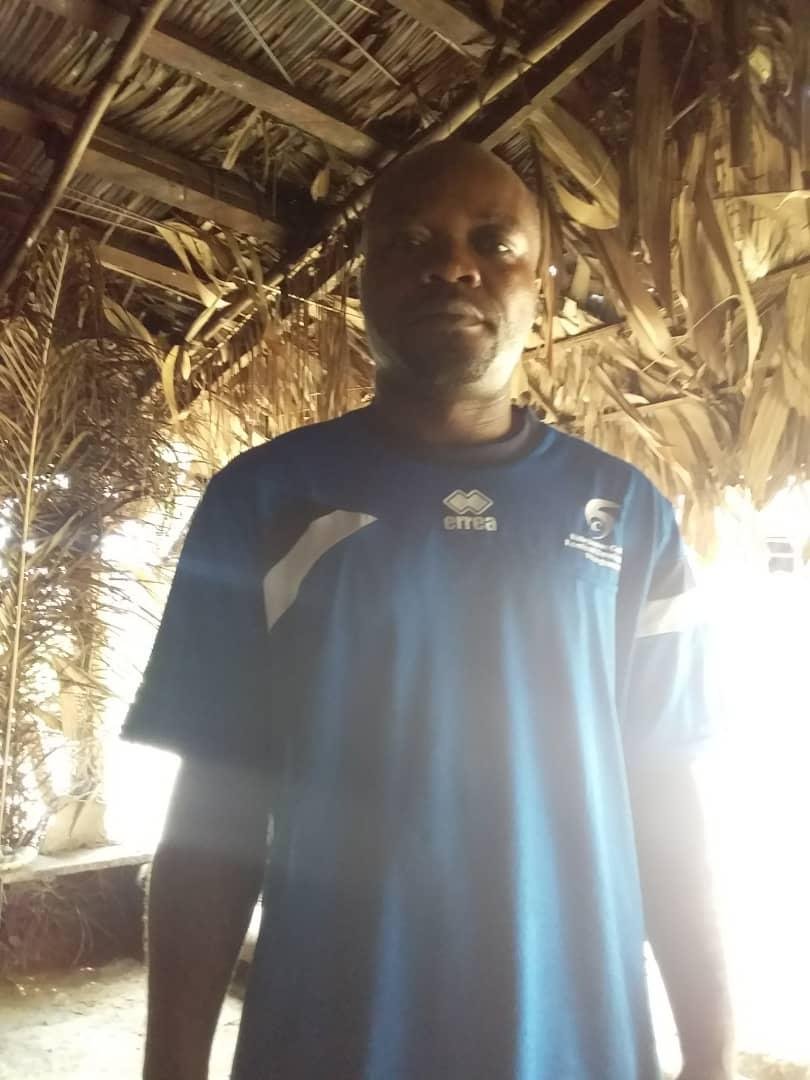
Mokombo: Low.
Stay and prices
Basic Initiation: The Mat.
Returning to the state of a newborn baby.
You will be picked up from Libreville airport by taxi or private car.
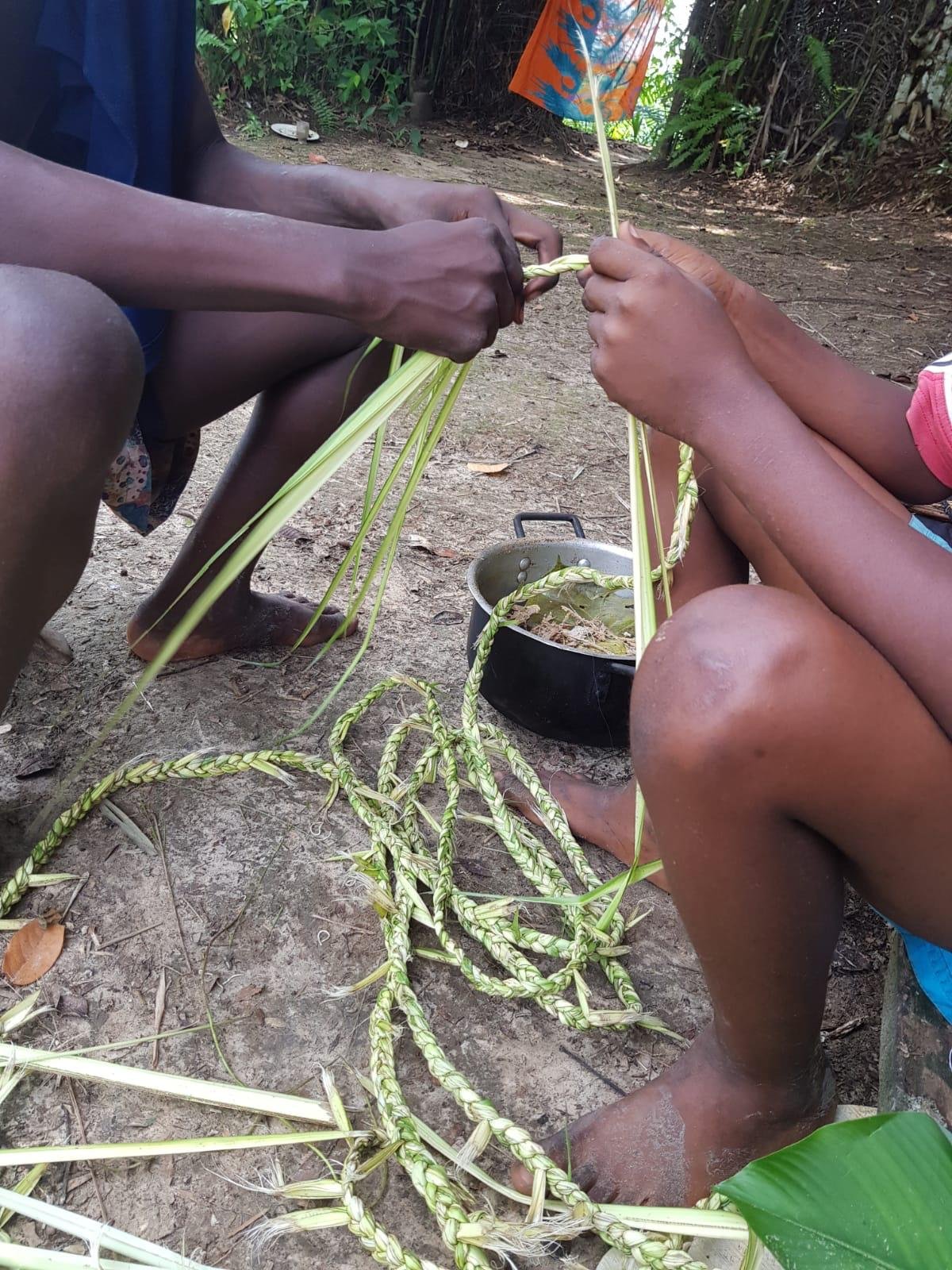
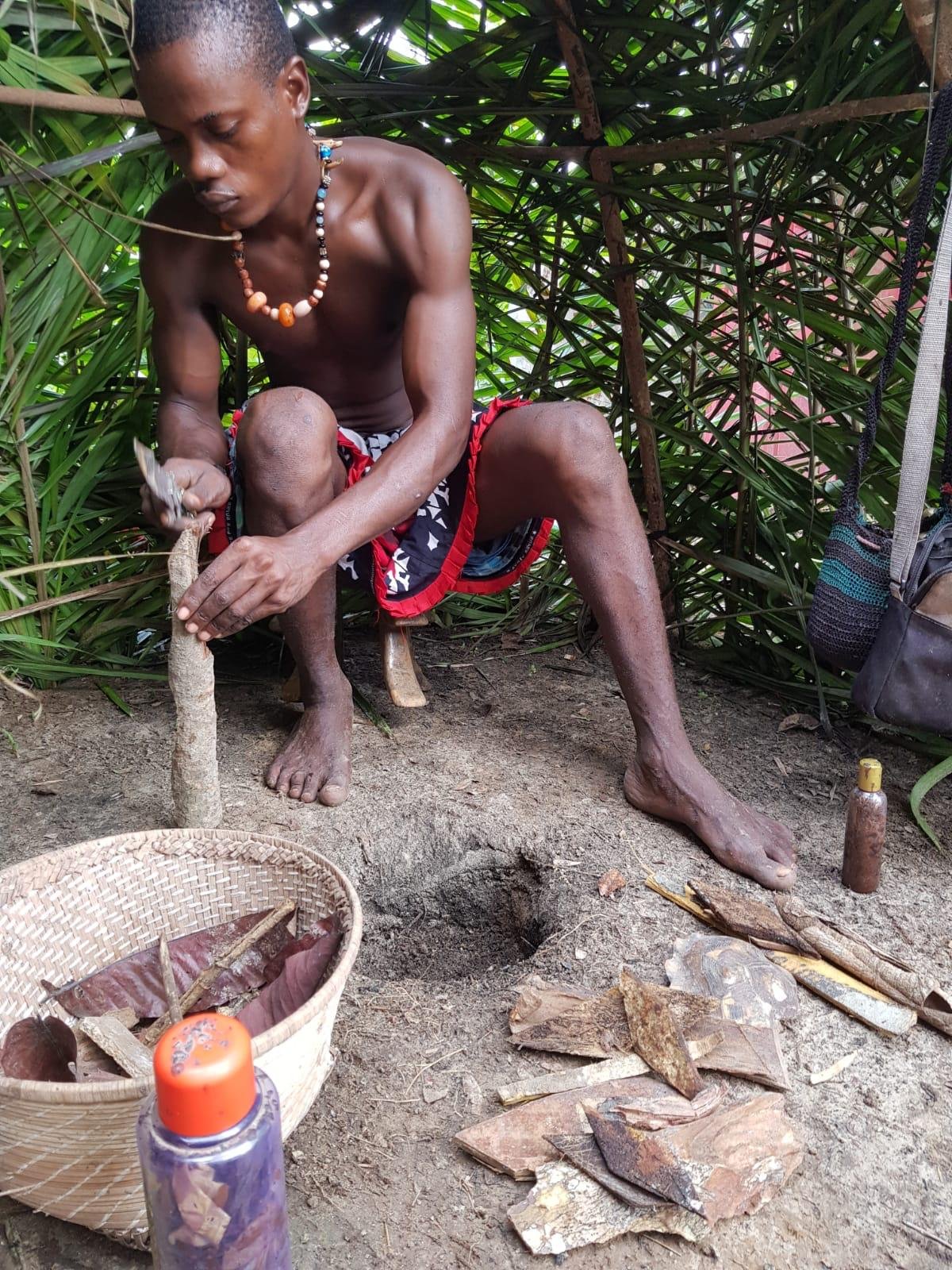
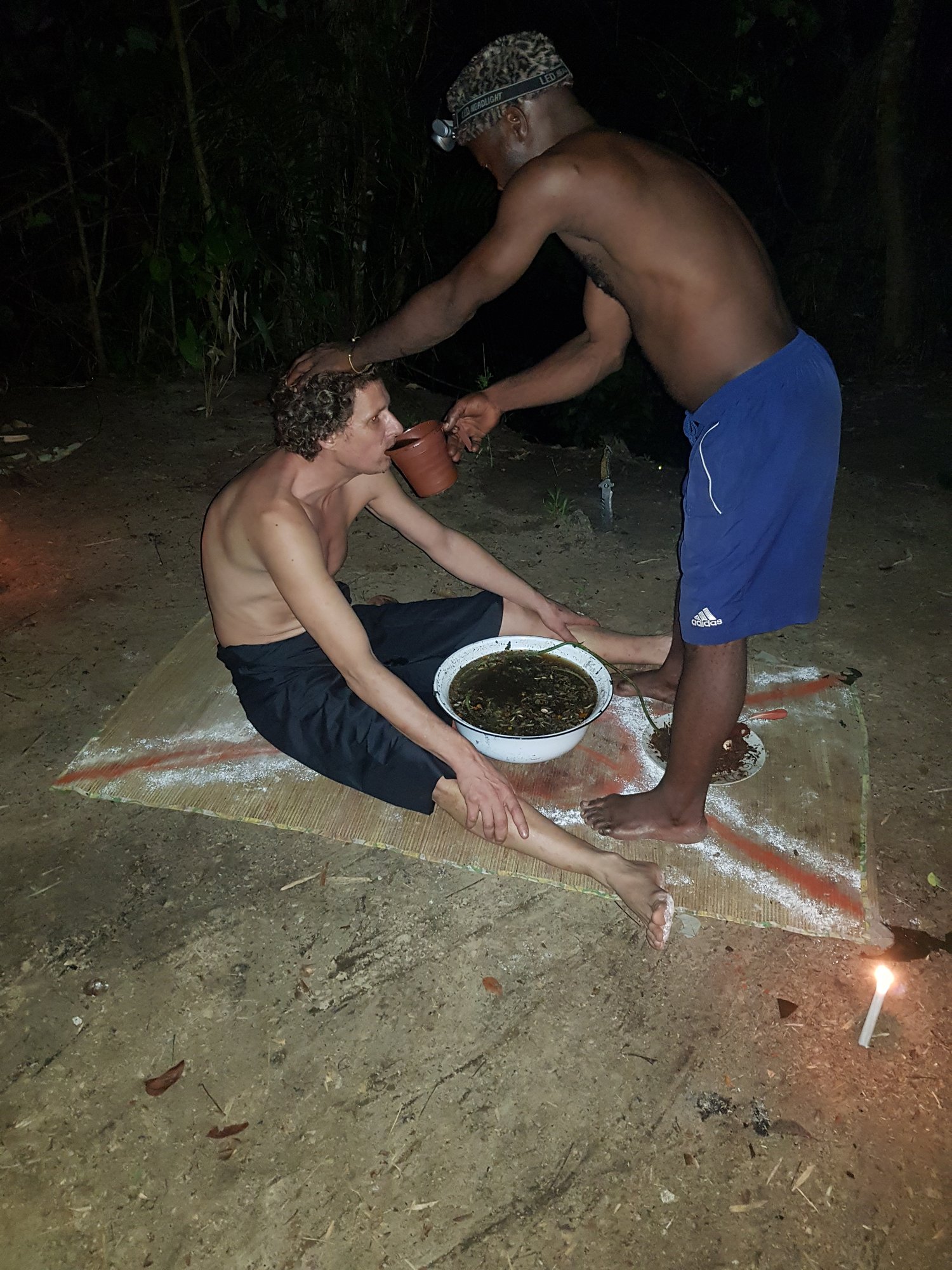
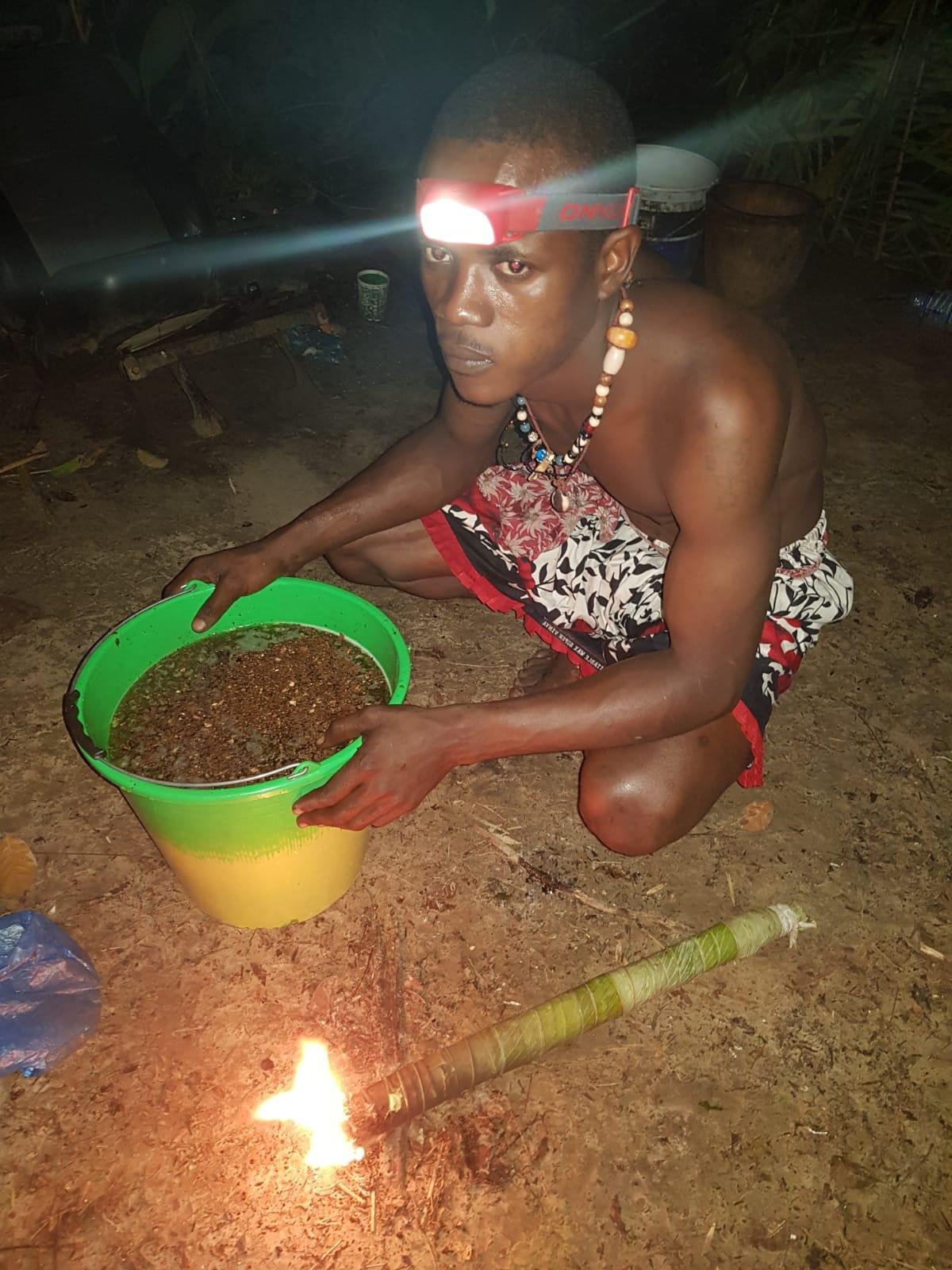
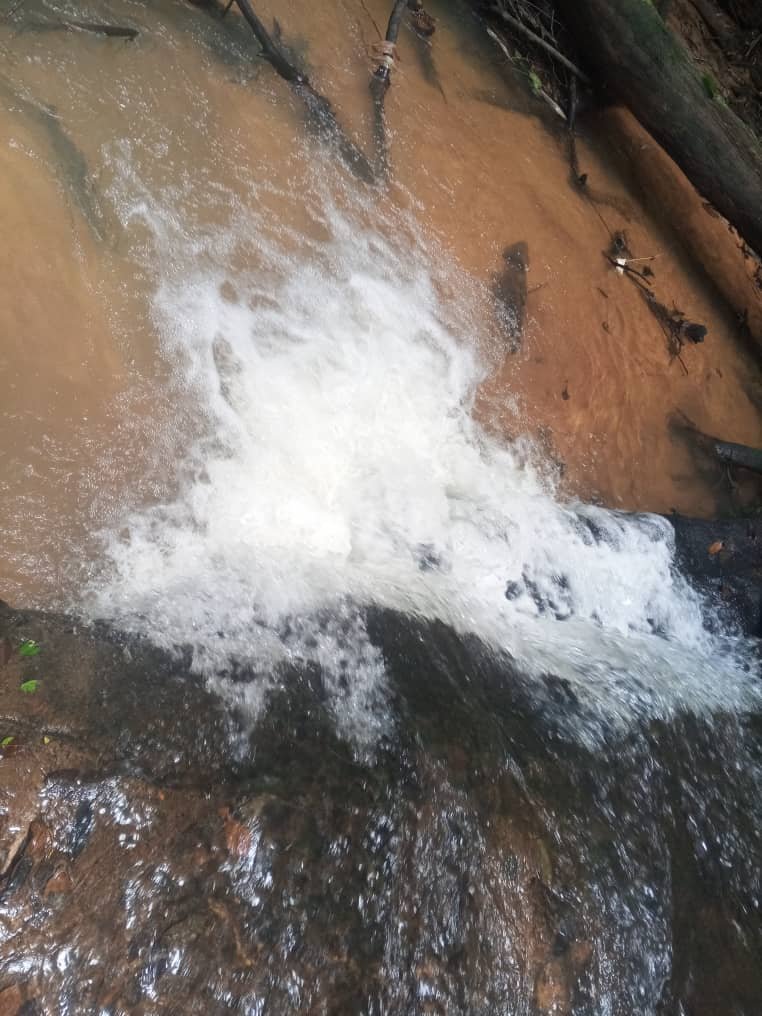
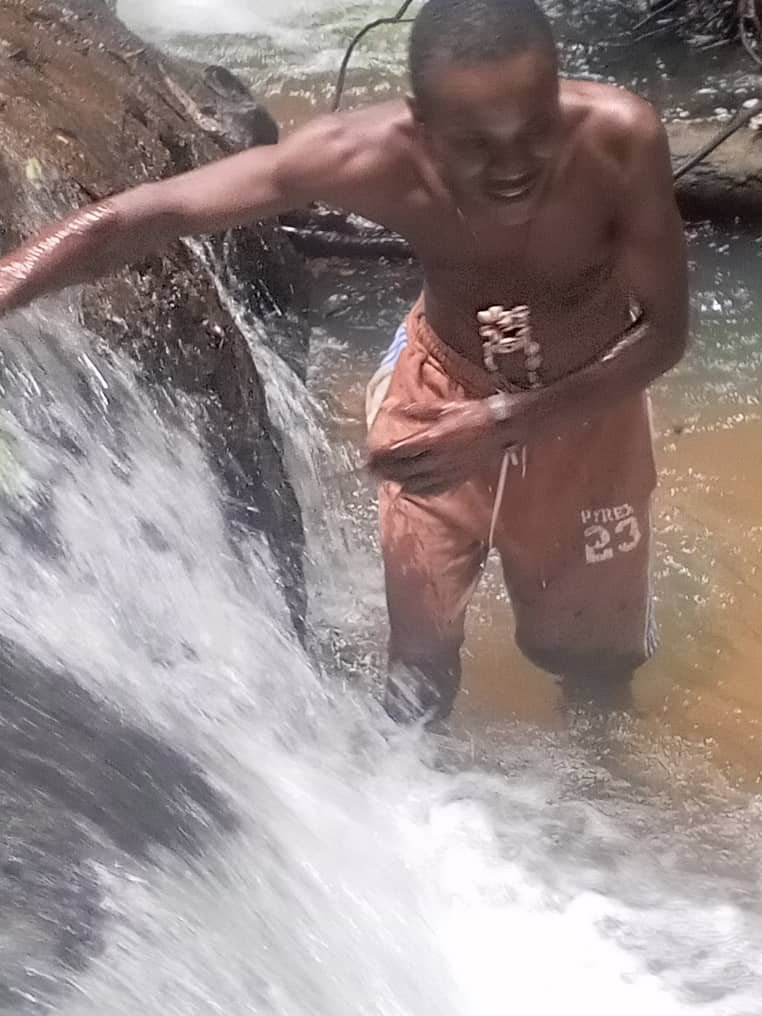
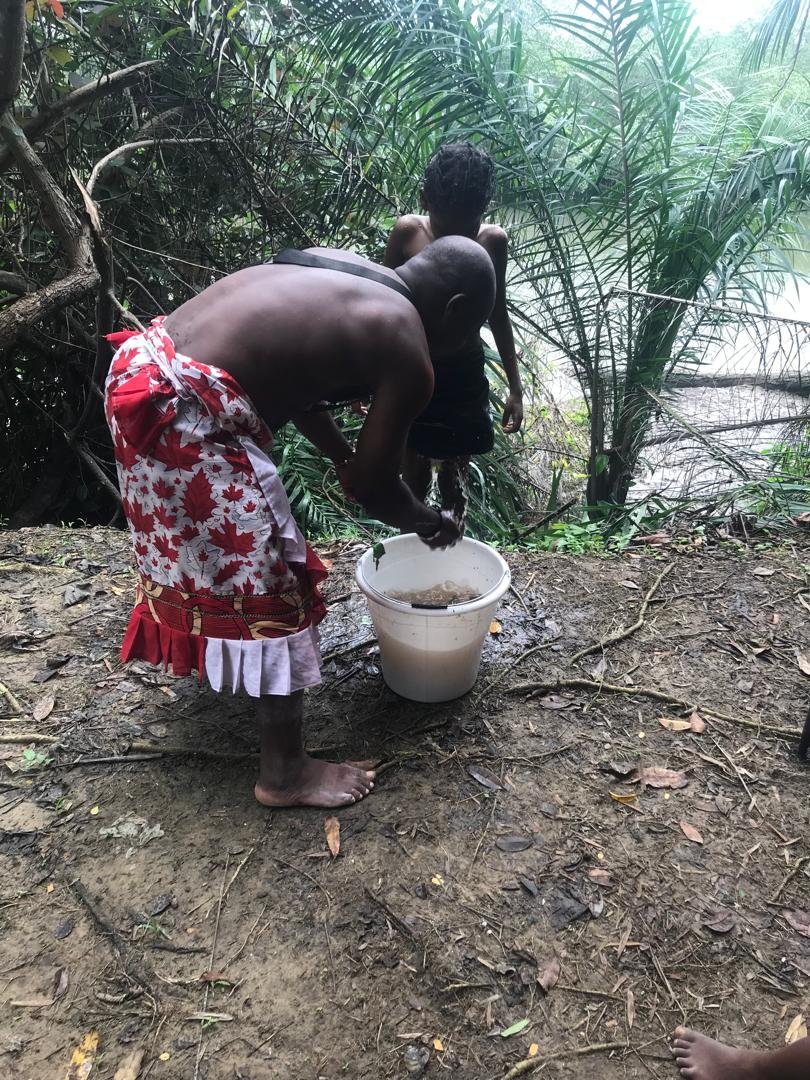
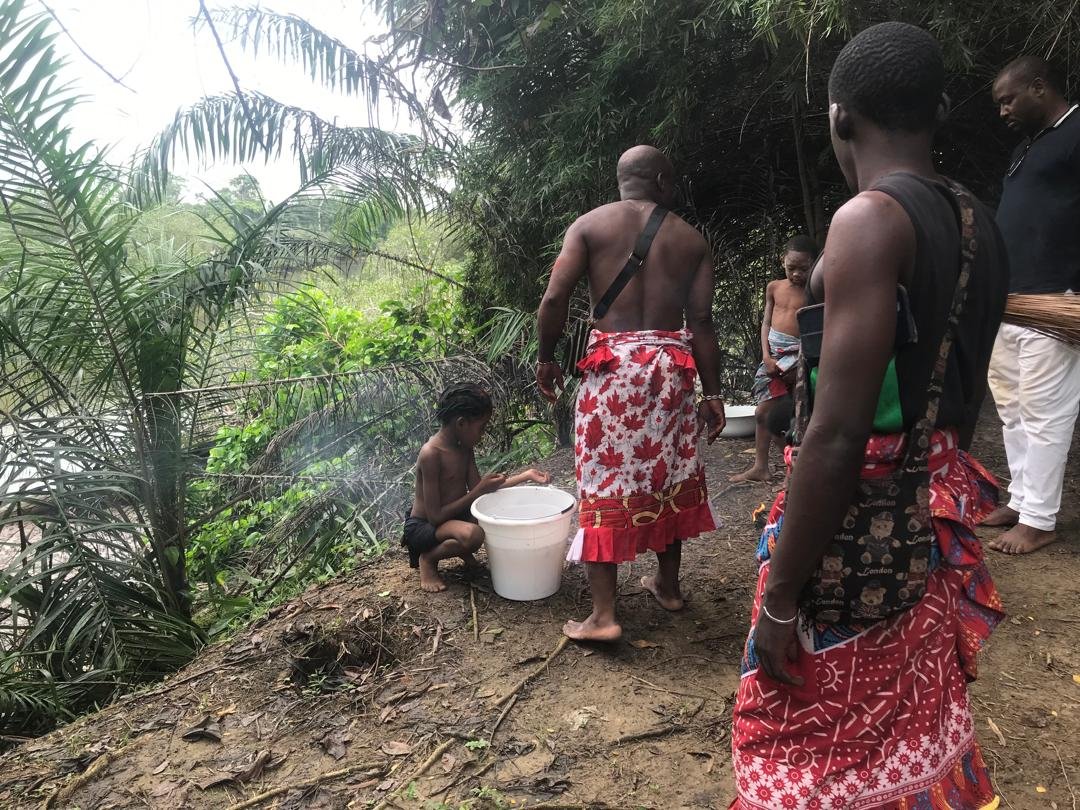
Upon arrival at the village, you will acclimatize to the rhythm of Gabon, and more specifically to that of the village. You will rest for the first few days, establish contact, and begin the initial care and treatments necessary before the initiation. These include river baths, treatments with buckets of plants and tree bark endemic to the equatorial forest, and purging if necessary, to properly prepare you for the night of your life...
There is no strict program; the concept is general, based on experience: each case is different.
Therefore, there are no absolute constraints: anything is possible.
Long healing retreats are possible. Everyone is welcome to stay in the village for as long as they wish; there is plenty of space and a warm, welcoming atmosphere. The village welcomes you and provides meals for ten days at the basic rate, including spring water.
Afterward, each person contributes again, according to their care needs, to help organize the next stay.
All further information and decisions are made after the initial contact.
We welcome you all to share a better life.
Medical preparation
A recent medical check-up is required before coming to the village. It ensures the initiation can take place safely.
Before you leave
- A full blood test, less than three months old
- Liver and kidney function tests
- A list of any medication you are taking
Please send these documents by e-mail when you first get in touch.
Experiences
They came to Tsango and share what they lived there.
-
I had gone to Gabon, the Tibet of Africa as some would say, to face anxieties that had been deeply rooted in me for several decades. This stay with Assossa and his community of traditional healers made me realise that I was my own remedy, and that I myself was the key that opened or closed the door to my own healing.
GabrielSenegal · August 2021, two-week stay
-
I share my experience after arriving in the village of Tsango, a welcoming village that, like a pirogue, carries you to the shore of traditional knowledge, inhabited by sharing, harmony and love; the dances and songs that tell of the beginning of a story, the path of the deities and of beliefs. I was welcomed with humility and with respect for values: learning the codes of life, knowing nature in harmony with the divine beings that we are, moments of exchange, a warm atmosphere with no distinction between peoples, a professional experience that stays in my memory.
Eugène MassalaGabon